
 English
 中文简体
中文简体 русский
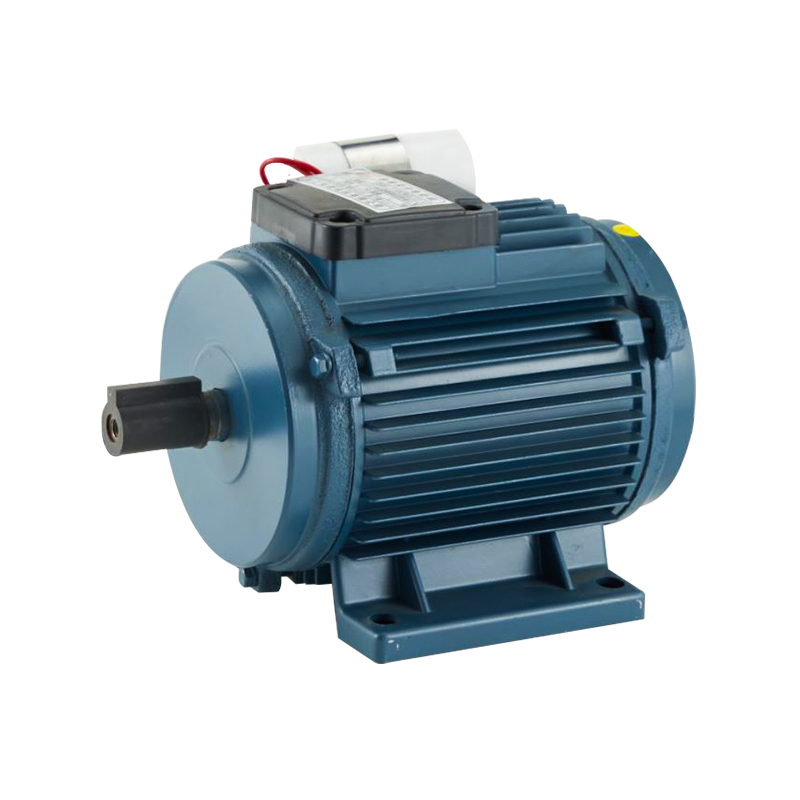
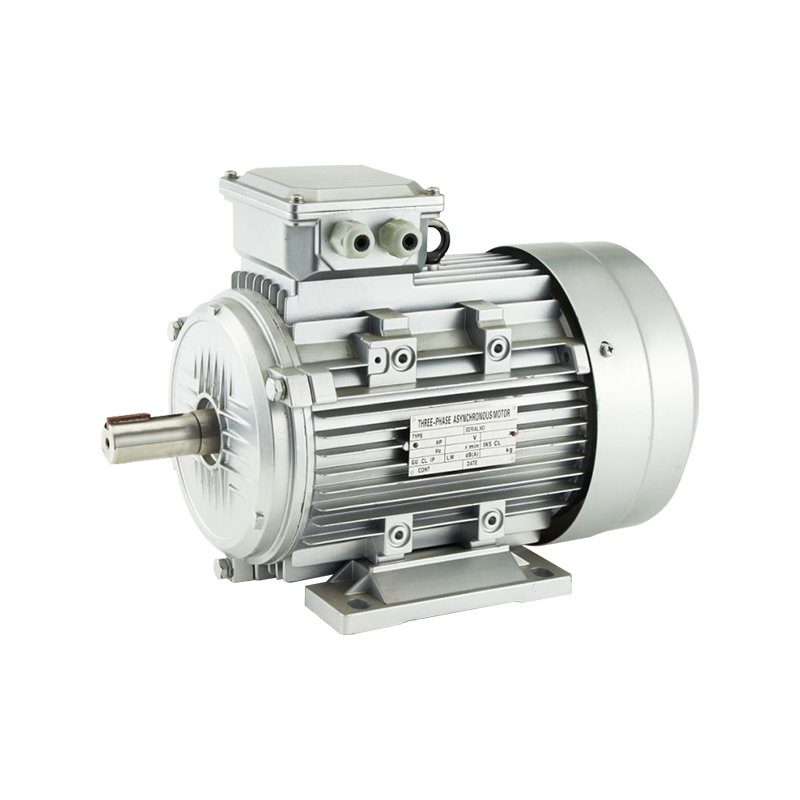
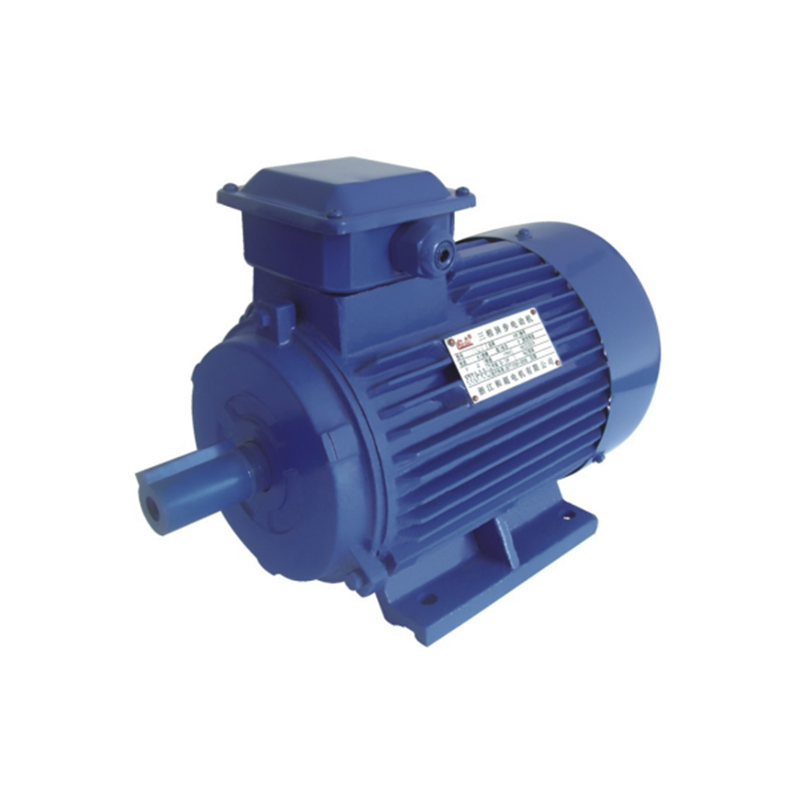
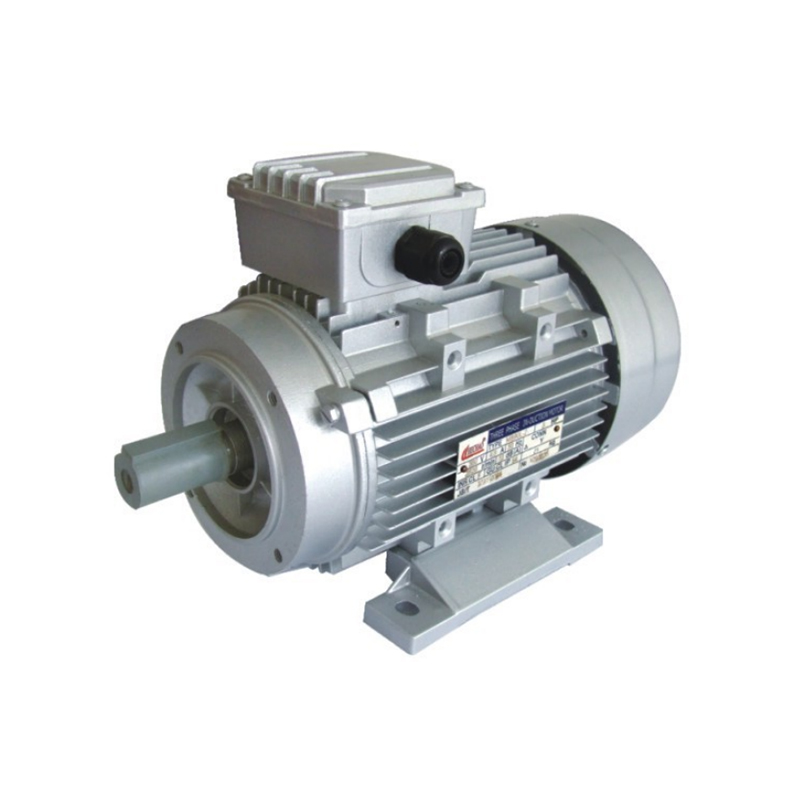
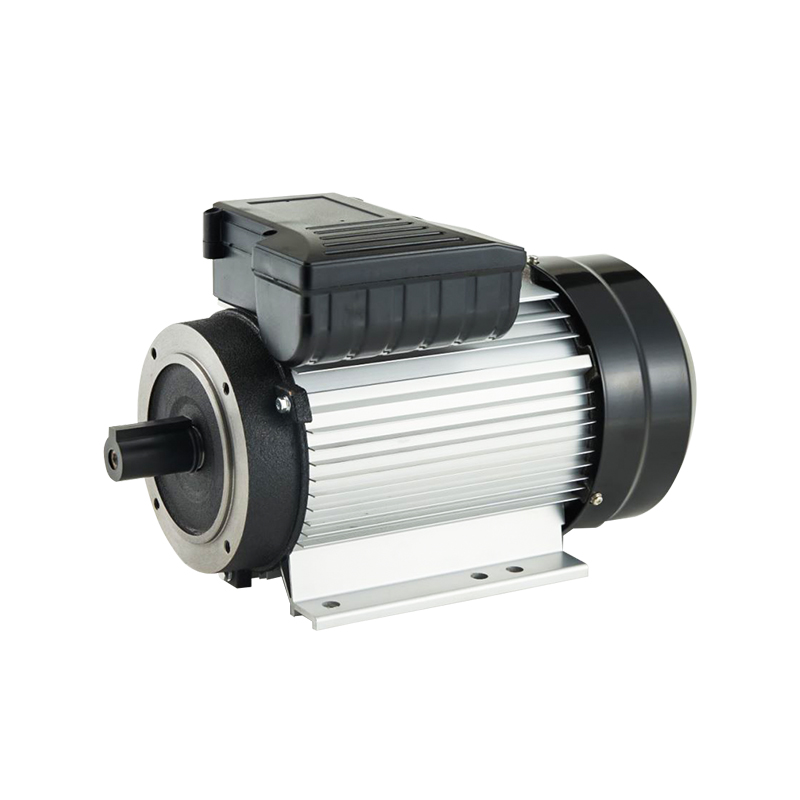
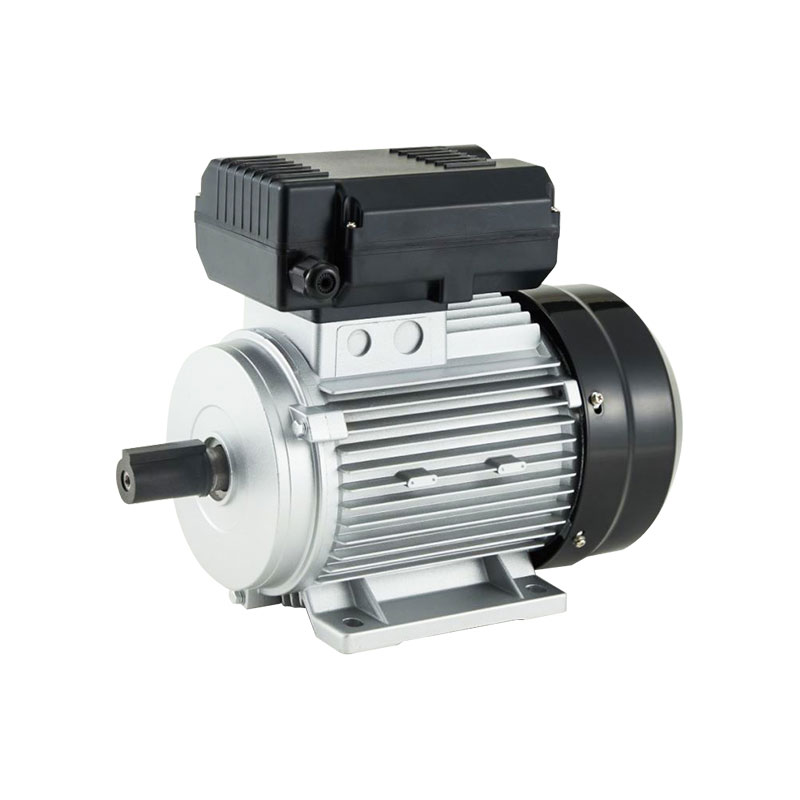
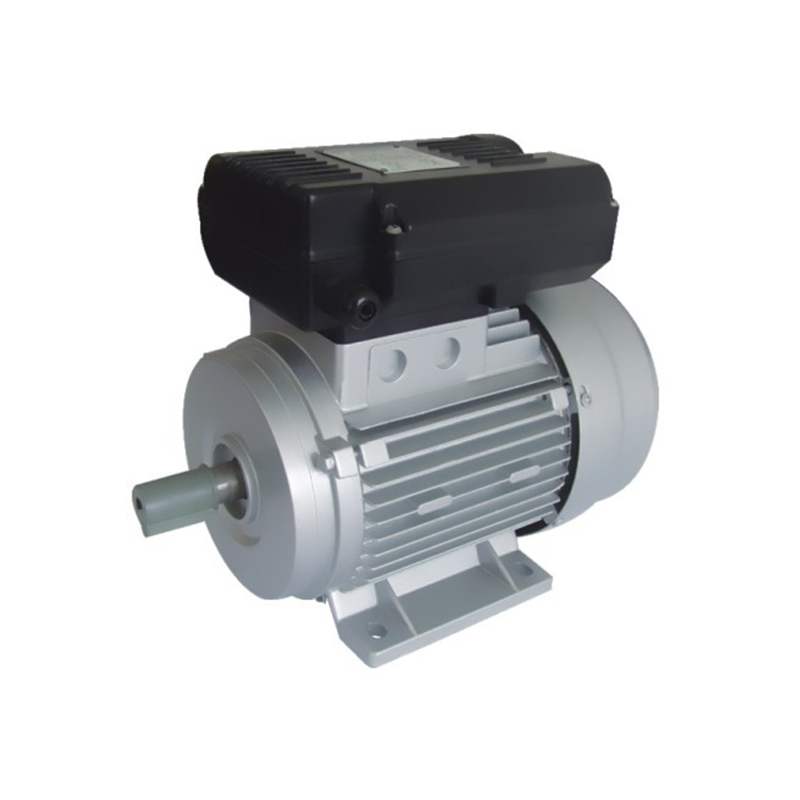
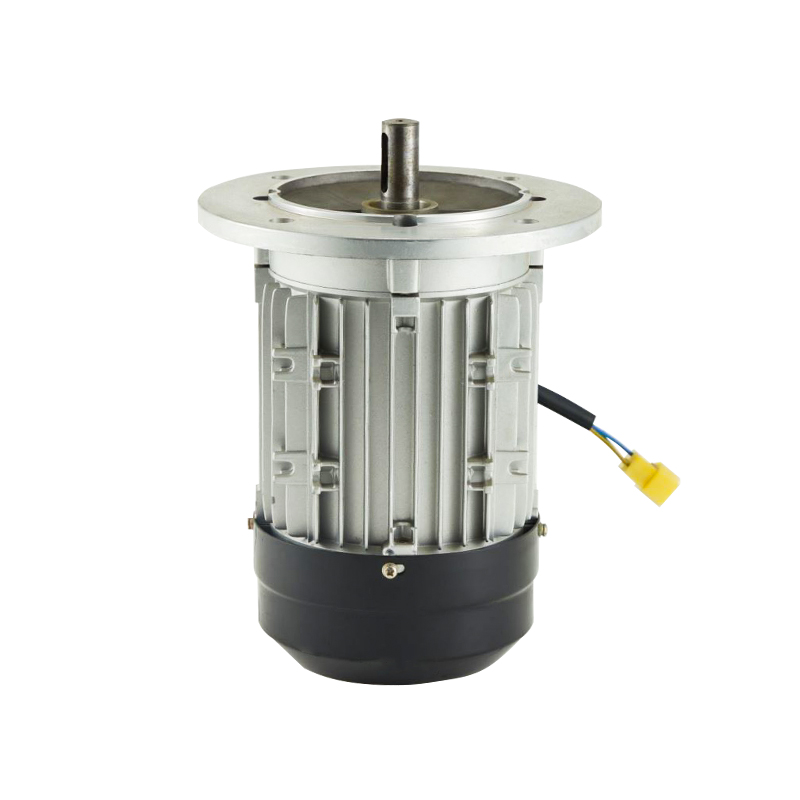
Motor efficiency has become a major concern across industrial automation, HVAC systems, power tools, compressors, and household equipment. Energy consumption directly affects operating costs, equipment lifespan, and thermal stability. A growing number of factories are now replacing older brushed motor systems with a High Efficiency Induction Motor solution to reduce maintenance and improve continuous-duty performance. Meanwhile, many buyers still compare traditional brushed designs with the so-called Universal Induction Motor concept due to its high-speed capability and compact structure.
Our company has worked with asynchronous motor technologies for years, supplying motors used in pumps, fans, reducers, industrial drives, and customized equipment systems. Technical comparisons between universal motors and induction motors continue to appear across engineering forums and industrial discussions because the efficiency gap becomes significant under long operating cycles.
Basic Operating Principle Differences
Universal motors and induction motors rely on completely different electromagnetic structures.
Universal Motor Characteristics
A universal motor typically operates on both AC and DC power supplies. The rotor and stator are connected in series, allowing high starting torque and extremely high rotational speed.
Common specifications include:
- Speed range: 8,000–20,000 RPM
- Efficiency range: 55%–75%
- Carbon brush structure
- Compact size
- Strong acceleration performance
Typical applications include:
- Hand drills
- Vacuum cleaners
- Portable mixers
- Hair dryers
- Small kitchen appliances
Brush friction and commutator losses remain unavoidable problems. Heat generation rises rapidly during continuous operation.
Induction Motor Working Advantages
An induction motor uses electromagnetic induction between the stator magnetic field and rotor conductors. No carbon brushes are required.
Industrial-grade motors commonly achieve:
- Efficiency range: 85%–96%
- Stable low-noise operation
- Longer service life
- Lower maintenance cost
- Better thermal balance
Three-phase squirrel cage structures dominate industrial environments because of their reliability and reduced wear. Studies show large induction motors can exceed 95% efficiency under full-load conditions.
Our company focuses heavily on optimized rotor slot design, silicon steel lamination improvement, and copper winding balance to improve operational stability across different load conditions.
Why Universal Motors Lose More Energy
Several technical factors explain the lower efficiency.
Brush Friction Loss
Carbon brushes constantly contact the commutator surface.
This creates:
- Mechanical friction
- Electrical sparks
- Surface wear
- Additional heat generation
Continuous friction reduces overall conversion efficiency.
Higher Copper Loss
Universal motors often carry larger current loads because of series winding construction.
Copper loss formula:
Higher current immediately increases winding heat.
Magnetic Losses
Rapid speed changes increase:
- Eddy current loss
- Hysteresis loss
- Core temperature
Induction motors using high-grade silicon steel laminations reduce these losses significantly.
Cooling Limitations
Compact universal motors usually depend on internal fan cooling. Long-duration operation raises internal temperature quickly.
Industrial induction motors often include:
- External cooling fans
- Aluminum housing fins
- Forced ventilation options
- IP55 protection structures
Better heat dissipation supports higher efficiency stability.
Speed Does Not Equal Efficiency
Many users confuse high RPM with better efficiency.
Universal motors can rotate extremely fast, but high speed alone does not guarantee lower power consumption.
A 1200W universal motor inside a vacuum cleaner may only convert about 65%–70% of electrical energy into useful mechanical output.
A comparable induction motor system can achieve much higher conversion efficiency under continuous operation.
Engineering discussions across industrial communities consistently mention that induction motors reach their optimal efficiency near rated load conditions. Oversized or lightly loaded motors reduce performance, yet they still generally outperform brushed universal designs in energy utilization.
Noise and Maintenance Comparison
Universal Motors
Common issues include:
- Brush replacement
- Sparking
- Audible commutator noise
- Faster bearing wear
- Dust contamination
Noise levels often exceed 85 dB at high speed.
Induction Motors
Advantages include:
- Brushless construction
- Lower vibration
- Reduced acoustic noise
- Minimal servicing
- Better continuous-duty capability
Our company commonly supplies induction motors operating below 70 dB under standard industrial load conditions.
Industrial Energy Savings Matter
Energy cost becomes critical across 24-hour production systems.
A factory operating multiple motors continuously can see major annual savings through high-efficiency upgrades.
Example comparison:
| Motor Type | Rated Power | Efficiency | Annual Energy Consumption |
| Universal Motor | 5.5 kW | 70% | Higher |
| High Efficiency Induction Motor | 5.5 kW | 92% | Lower |
Even small efficiency gains produce measurable electricity savings over long operational cycles.
Modern IE3 and IE4 efficiency standards continue pushing manufacturers toward advanced induction motor technologies.
Better Applications For Universal Motors
Despite lower efficiency, universal motors remain useful.
Advantages include:
- Lightweight design
- High startup torque
- Portable equipment compatibility
- Compact installation size
- Fast acceleration response
Portable appliances benefit more from speed density than long-term energy savings.
This explains why universal motors remain common across handheld tools.
Why Industrial Systems Prefer Induction Motors
Factories prioritize:
- Reliability
- Stable torque
- Reduced downtime
- Lower maintenance cost
- Energy efficiency
- Continuous operation
Induction motors outperform universal motors across these categories.
Our company continues improving asynchronous motor performance through:
- Precision rotor balancing
- Vacuum pressure impregnation
- Optimized winding design
- Low-loss silicon steel cores
- Temperature rise control
- IE3 efficiency solutions
Many industrial buyers now replace older brushed systems with induction motor platforms integrated with variable frequency drives for better speed regulation and lower energy consumption. Variable speed technology also improves overall system efficiency under fluctuating load conditions.