
 English
 中文简体
中文简体 русский
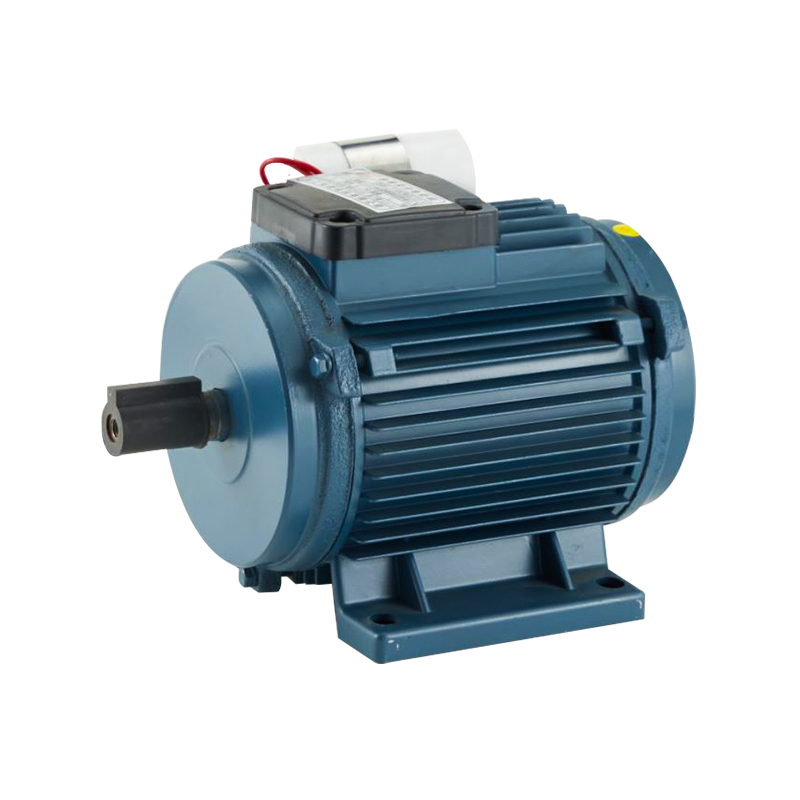
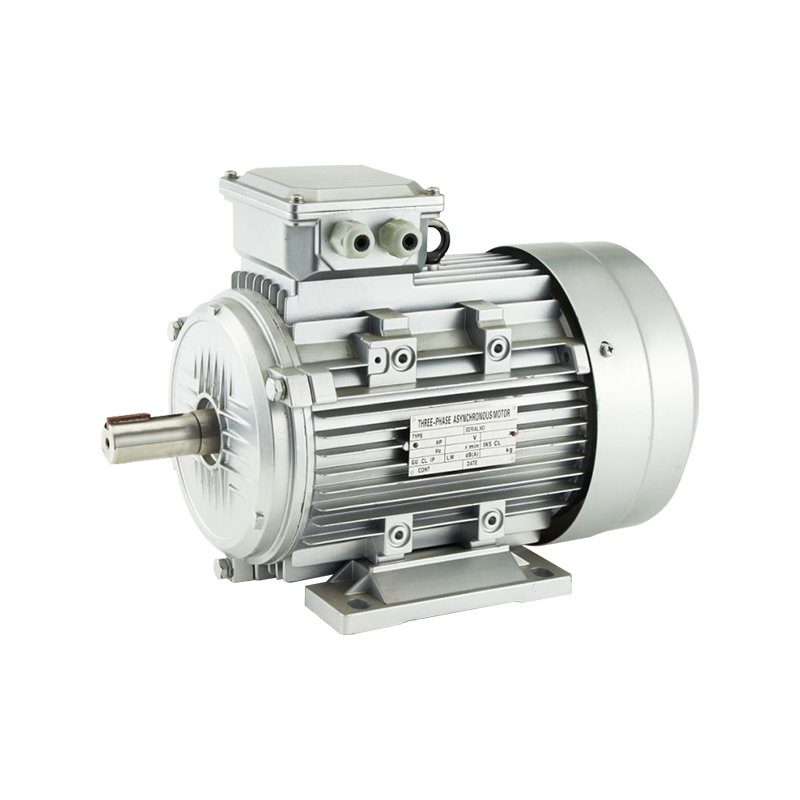
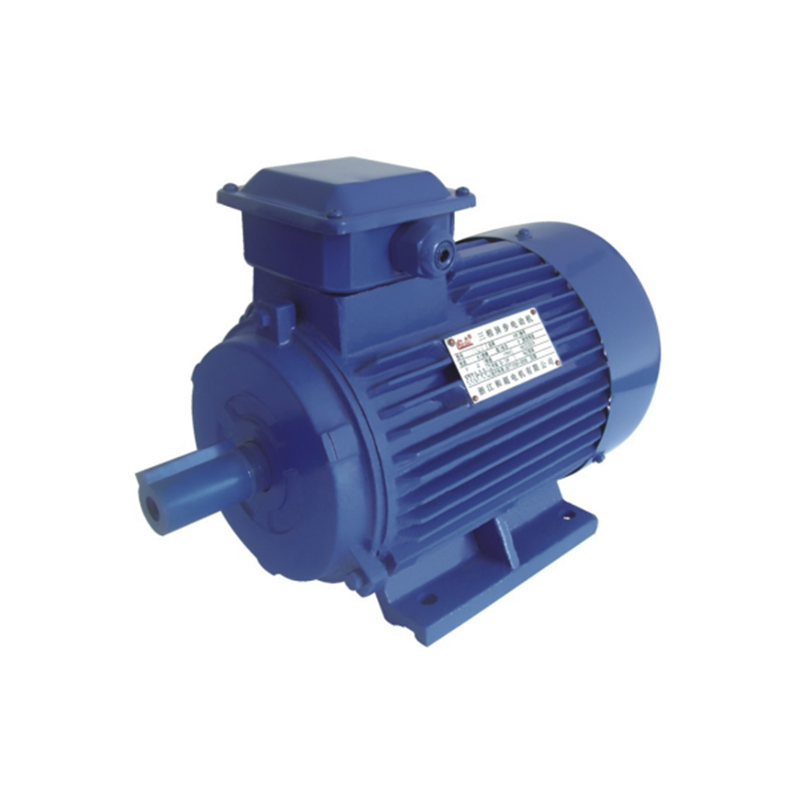
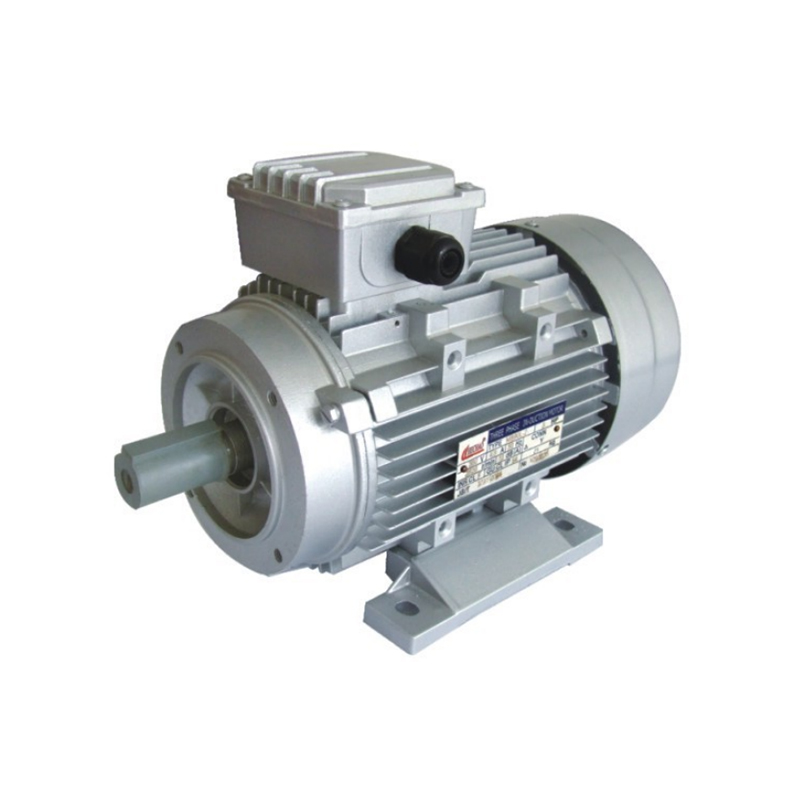
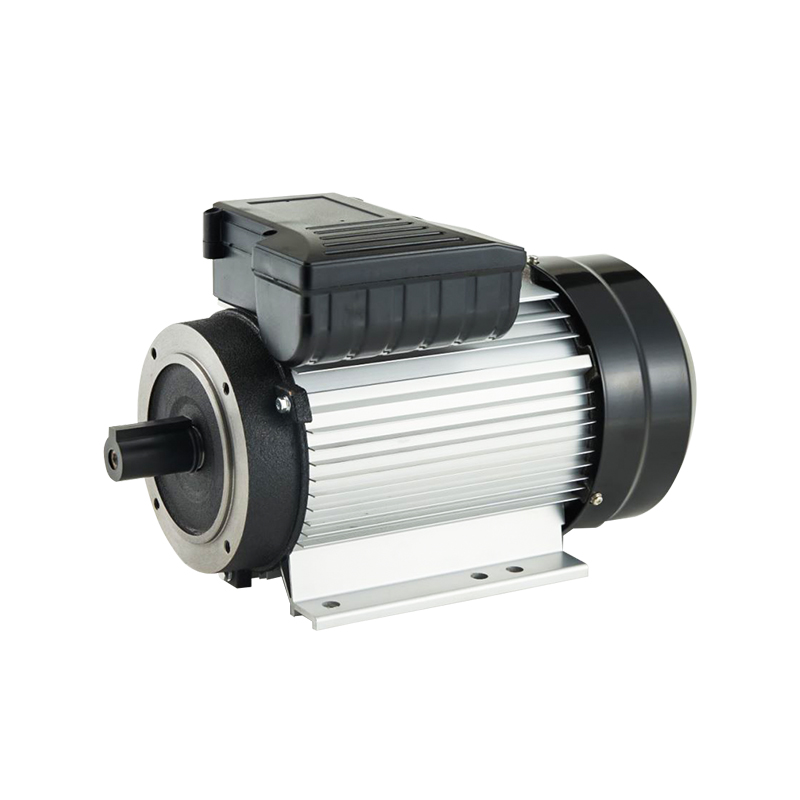
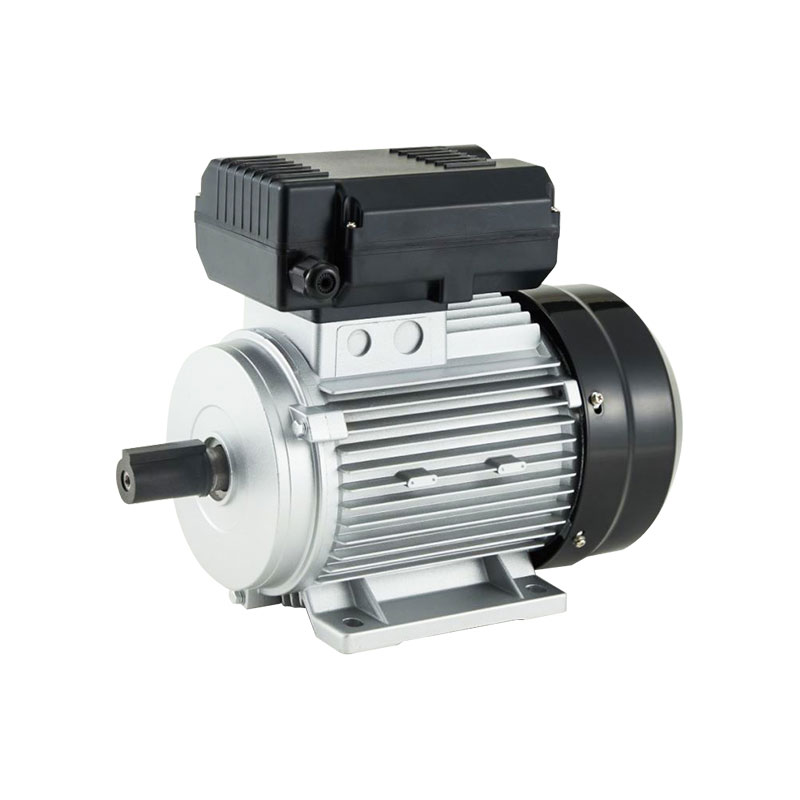
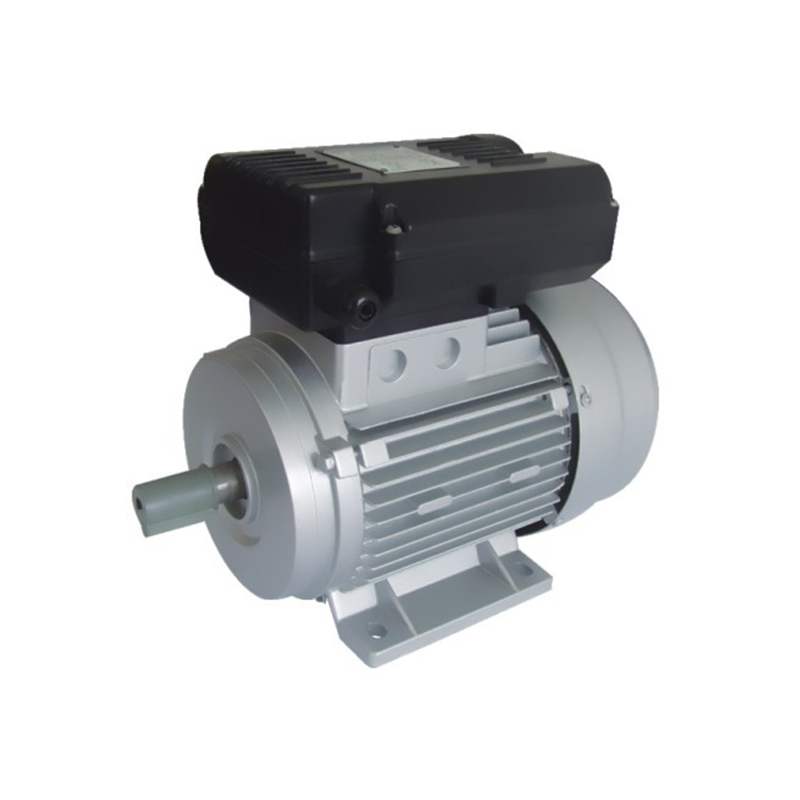
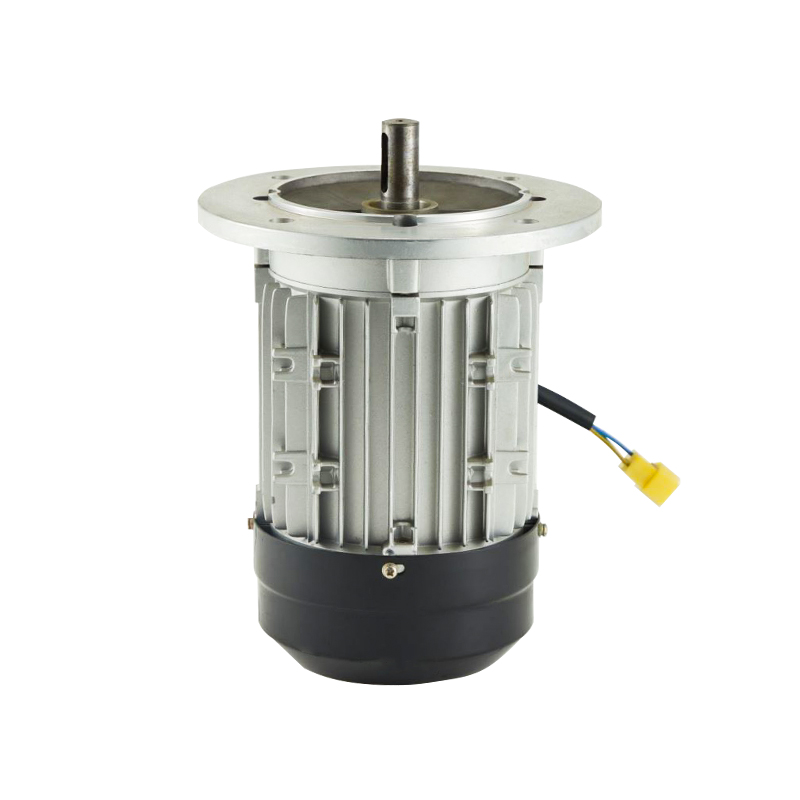
Cleaning devices are becoming more integrated into homes, workplaces, and commercial spaces, creating new expectations for quieter operation, stable performance, and longer service life. From floor scrubbers to compact vacuum systems, the internal drive system directly affects the daily user experience. A properly designed Cleaning Machine Motor helps equipment maintain consistent power, improve operating efficiency, and adapt to different cleaning environments. For purchasing teams and engineers, understanding motor performance factors has become an important part of developing reliable cleaning products.
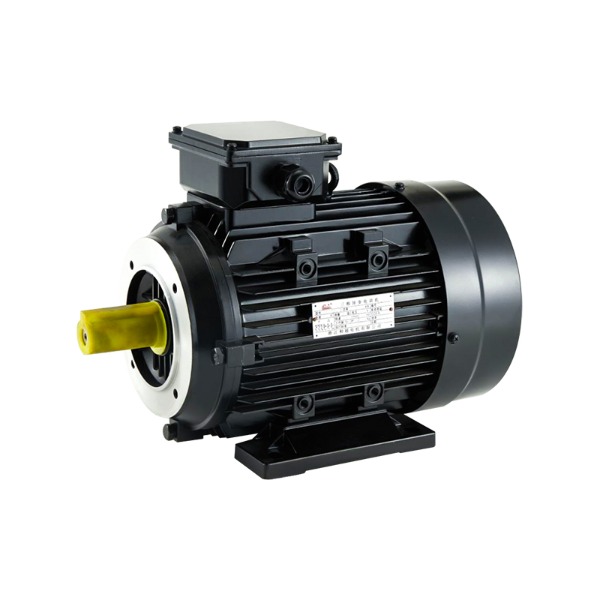
Addressing Common Performance Issues in Cleaning Equipment
Many cleaning equipment problems are related to motor selection and application matching. When a motor does not fit the machine’s working conditions, users may experience unstable operation, increased noise, or reduced cleaning effectiveness.
During product development, several key factors need careful evaluation:
- Motor output should match the cleaning mechanism and workload
- Operating temperature should remain controlled during extended use
- The motor structure should fit the available installation space
- Performance should remain stable under repeated daily operation
By focusing on these details, equipment designers can reduce performance issues and create cleaning products that provide a smoother user experience.
Supporting More Comfortable Cleaning Experiences
Noise and vibration have become important concerns for modern cleaning equipment. Whether a device is used in a home, office, or public area, users prefer machines that deliver effective cleaning without causing unnecessary disturbance.
Motor design influences sound levels through factors such as rotation balance, internal structure, and mechanical stability. A well-developed motor can help reduce vibration during operation while maintaining sufficient power output. This is especially valuable for products designed for frequent indoor use, where comfort and convenience are closely connected with customer satisfaction.
Improving Energy Efficiency for Daily Applications
Energy consumption is receiving more attention from equipment developers and buyers. Cleaning machines are often used regularly, making efficient power management an important consideration for product design.
A suitable motor solution can help equipment achieve a better balance between performance and energy use. Engineers typically consider:
- Power requirements based on cleaning tasks
- Working frequency and operation duration
- Heat generation during continuous use
- Compatibility with energy-saving product concepts
These factors help create cleaning equipment that performs reliably while supporting practical operating costs.
Adapting to Smart and Compact Cleaning Equipment Trends
The growth of automated cleaning devices has changed expectations for motor components. Robotic cleaners, cordless products, and intelligent cleaning systems require motors that can support flexible control and compact designs.
Modern Cleaning Machine Motor applications are increasingly focused on:
- Smooth speed adjustment for different cleaning modes
- Compact structures for smaller equipment designs
- Stable response during frequent operation changes
- Reliable integration with electronic control systems
These improvements allow cleaning equipment to provide more convenient functions while maintaining dependable performance in daily environments.
Reducing Maintenance Needs Through Better Motor Design
For commercial users, equipment downtime can affect productivity and service quality. Motor durability is therefore a key factor when selecting components for cleaning machines.
A reliable motor design considers challenges such as dust exposure, moisture, vibration, and continuous operation. Practical solutions often include stronger protection structures, optimized internal components, and designs that make inspection easier.
For buyers, selecting motors based on real application conditions can help reduce replacement frequency and support more predictable equipment maintenance.
Creating Flexible Solutions for Different Cleaning Products
Cleaning equipment covers a wide range of applications, and each product may require different motor specifications. From lightweight household devices to larger professional machines, flexibility in motor design helps companies develop products that match specific market needs.
Important considerations include:
- Installation compatibility
- Performance requirements
- Product size limitations
- Application environment
Choosing the right component approach allows cleaning equipment manufacturers to improve product quality and create solutions that better meet user expectations.
A dependable Cleaning Machine Motor provides strong support for modern cleaning products by improving stability, efficiency, and long-term operation. As demand for practical and user-friendly cleaning solutions continues to grow, reliable motor performance remains a key factor in building successful cleaning equipment.