
 English
 中文简体
中文简体 русский
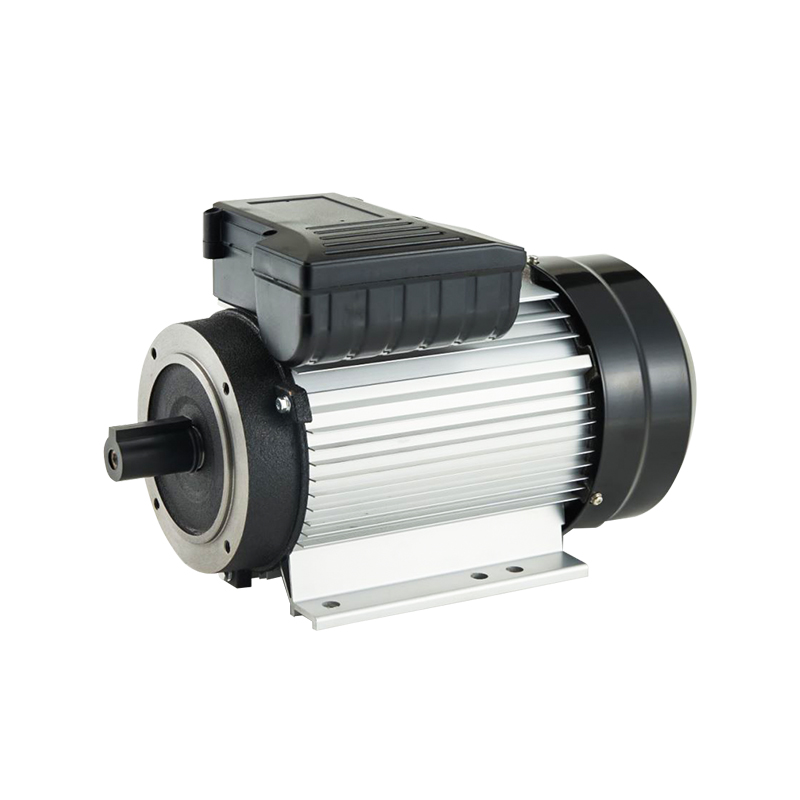
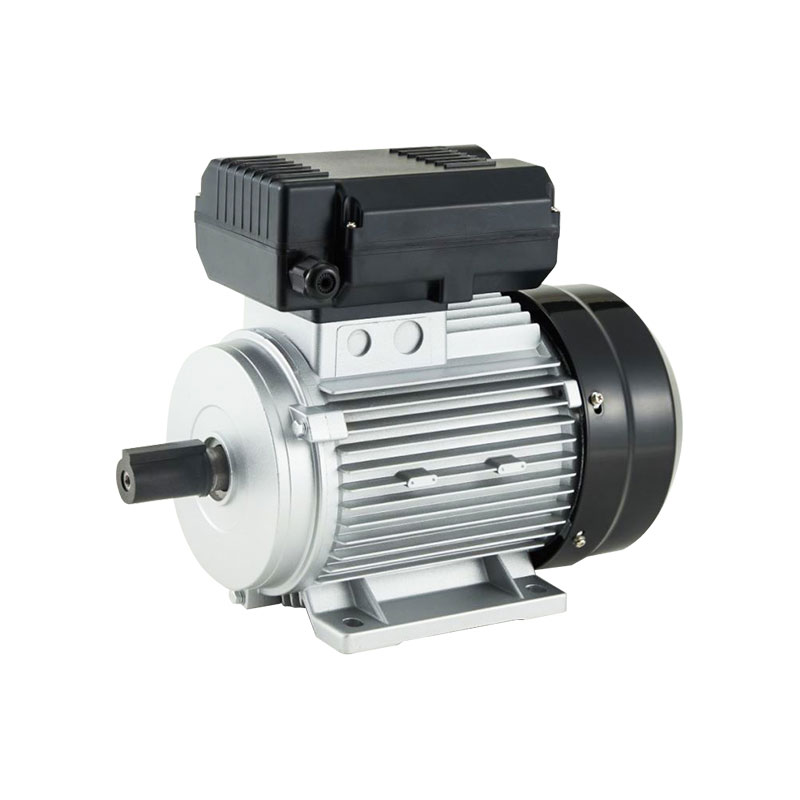
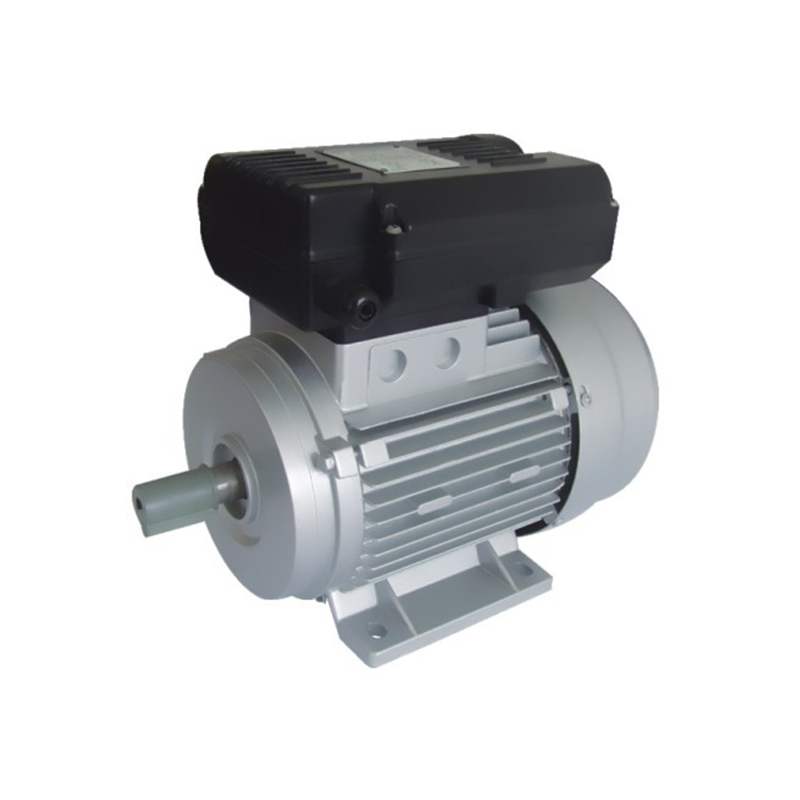
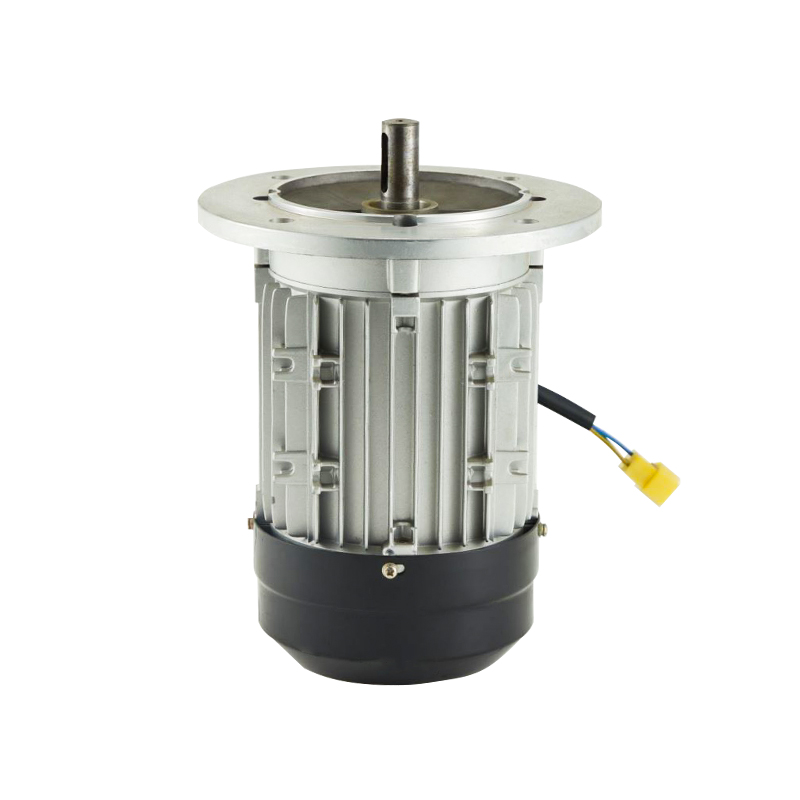
An asynchronous electric motor remains a fundamental component in industrial systems, and many engineers and maintenance professionals are increasingly interested in understanding the typical faults these devices can experience, especially when paired with advanced designs like brushless asynchronous induction motors. Despite their reputation for reliability and durability, all induction motors are susceptible to both mechanical and electrical issues over time. Users have frequently asked “what goes wrong with these motors and how can we recognize early signs of failure?”
Why Understanding Motor Faults Matters
In industrial settings, unexpected motor failure can cause costly downtime, production loss, and unplanned maintenance expenses. Recognizing common faults early helps technicians intervene before minor issues escalate. Engineering literature and fault statistics reveal clear patterns: mechanical problems such as bearing wear and misalignment are often the first to appear, while electrical faults like stator winding damage and voltage imbalance can cause significant performance degradation if left unaddressed.
More Frequent Fault Categories
Motor failures generally fall into three broad categories: mechanical, electrical, and environmental. Each category includes distinct problems that produce recognizable symptoms.
1. Mechanical Faults
Mechanical failures are among the more frequent issues operators encounter:
Bearing Wear and Damage: Bearings are critical for smooth rotor rotation. Fatigue, poor lubrication, contamination, or misalignment can cause bearing surfaces to deteriorate, causing to increased noise, heat, and vibration during operation. In many induction motors, bearing faults are among the top causes of failure.
Rotor Imbalance and Misalignment: If the rotor is not evenly balanced or aligned with the driven load, centrifugal forces can create abnormal vibrations. Over time, this accelerates wear on bearings and the shaft, and may eventually result in mechanical failure if not corrected.
Shaft and Mounting Issues: Loose fasteners or improper installation may cause the motor to shake or operate unevenly. Detecting early signs of looseness can prevent more serious damage.
These mechanical issues often produce audible noise, rough vibration, and elevated operating temperatures — signals that maintenance teams should investigate promptly.
2. Electrical Faults
Electrical failures can occur anywhere within the motor’s winding and power supply systems:
Stator Winding Failures: The stator winding is crucial for generating the rotating magnetic field inside an asynchronous motor. Over time, insulation breakdown due to heat, moisture, or contamination can cause partial short circuits between turns. This type of insulation fault is among the more serious and frequent electrical problems.
Voltage Imbalance or Phasing Issues: Uneven voltage across the three phases causes uneven current in the stator windings, causing to overheating and inefficient operation. In severe cases, this imbalance can trip protection systems or accelerate winding degradation.
Rotor Faults (Broken Bars/Eccentricity): While less frequent than stator faults, imbalance in rotor bars or uneven air gaps can disturb torque production. These faults typically manifest as pulsating torque, high current draw, and increased vibration.
3. Environmental and Operating Conditions
Although not internal to the motor itself, environmental conditions significantly influence fault development:
Overheating and Blocked Ventilation: Industrial motors rely on free airflow for cooling. Blocked vents due to dust or debris cause elevated temperatures, accelerating insulation breakdown and reducing service life.
Contamination: Dust, moisture, and corrosive atmospheres can accelerate insulation degradation and bearing wear, especially in harsh environments such as chemical processing plants or woodworking facilities.
Power Quality Issues: Poor power quality, including voltage surges or dips, rapidly increases stress on motor windings and insulation systems, contributing to short circuits or reduced efficiency.
Real-World User Insights
Practitioners on technical platforms frequently share their firsthand experiences, highlighting that many faults are preventable with proper maintenance and monitoring. For example, some users report erratic motor behavior when supply phases are imbalanced or when motors are repeatedly started under load without soft start control. These real scenarios reinforce the importance of routine checks and predictive maintenance.
Detecting Faults: Signs and Diagnostics
Recognizing the early indicators of motor faults can dramatically reduce downtime:
Excessive Noise or Vibration: Often a sign of mechanical wear or misalignment.
Overheating: Check cooling pathways and load conditions.
Unusual Current Draw: Use diagnostic tools like vibration analysis or current signature analysis to spot anomalies before catastrophic failure.
Preventive Practices
The better defense against motor faults is proactive care. Scheduled cleaning, lubrication according to manufacturer recommendations, power quality monitoring, and vibration analysis are all proven maintenance techniques. Modern condition monitoring systems also allow for early fault detection before visible symptoms appear.
Understanding common faults in asynchronous electric motors and brushless asynchronous induction motors is vital for maintenance teams and engineers alike. While these motors are robust and reliable, wear and environmental stressors can cause mechanical or electrical faults over time. By recognizing early warning signs and implementing proactive inspection routines, facilities can significantly extend motor life and minimize costly downtime. At Zhejiang Hechao Motor Co., Ltd., we emphasize comprehensive maintenance strategies and condition-based monitoring to help industry users keep their motor assets operating reliably and efficiently.