
 English
 中文简体
中文简体 русский
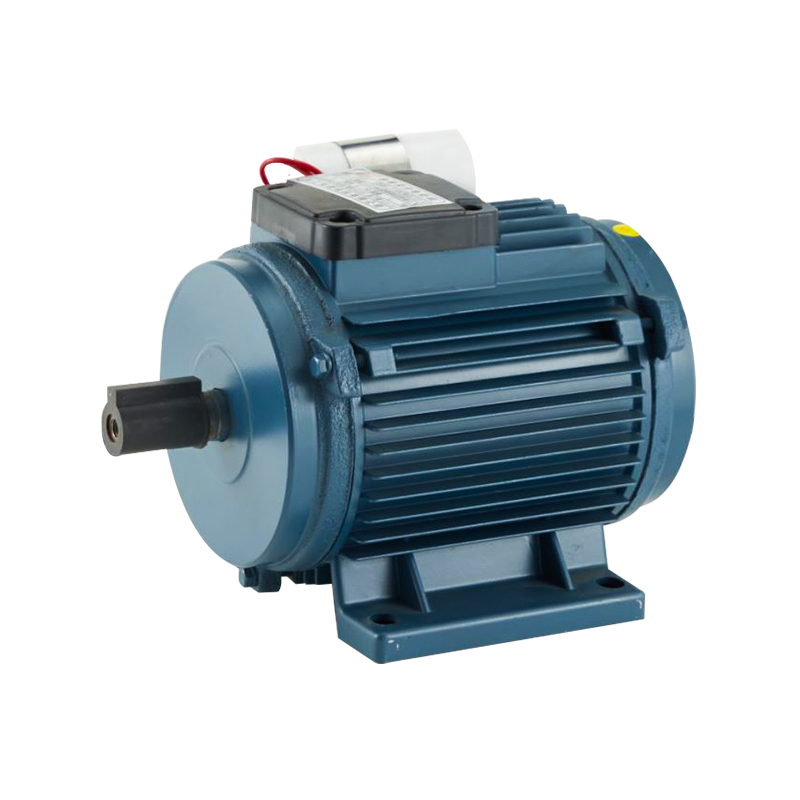
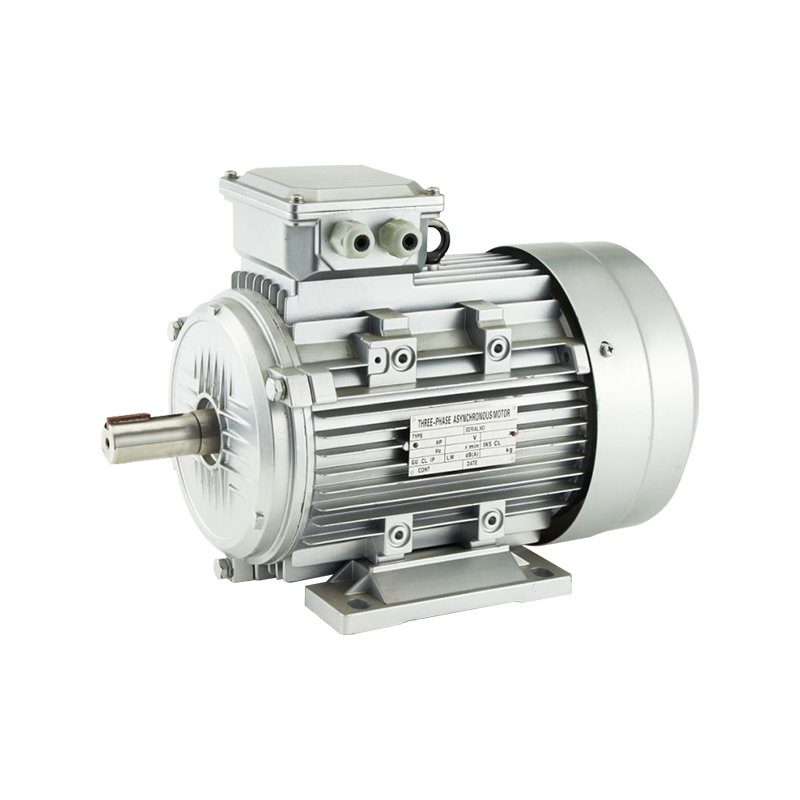
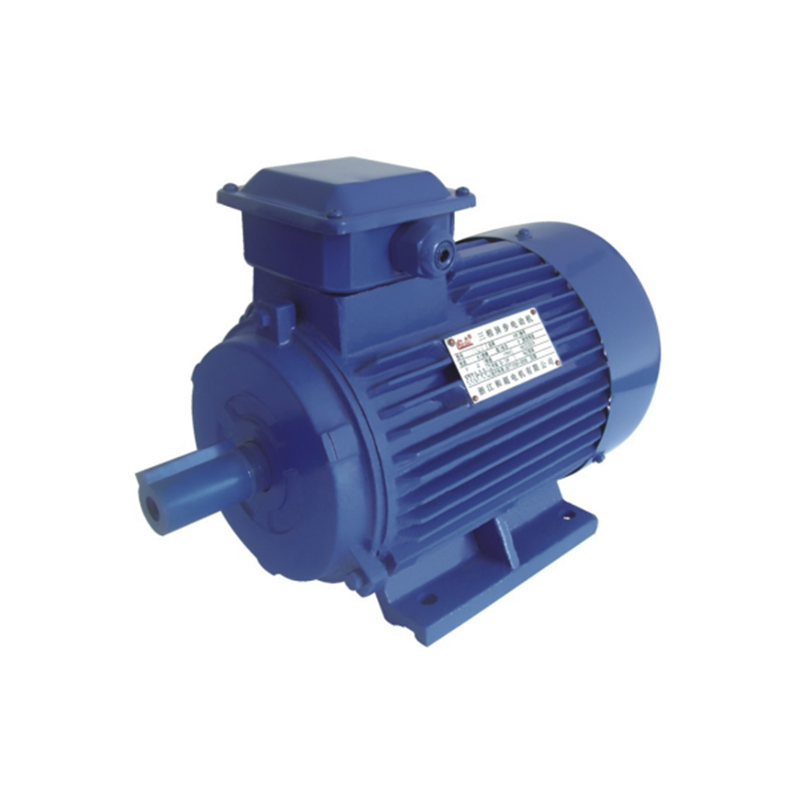
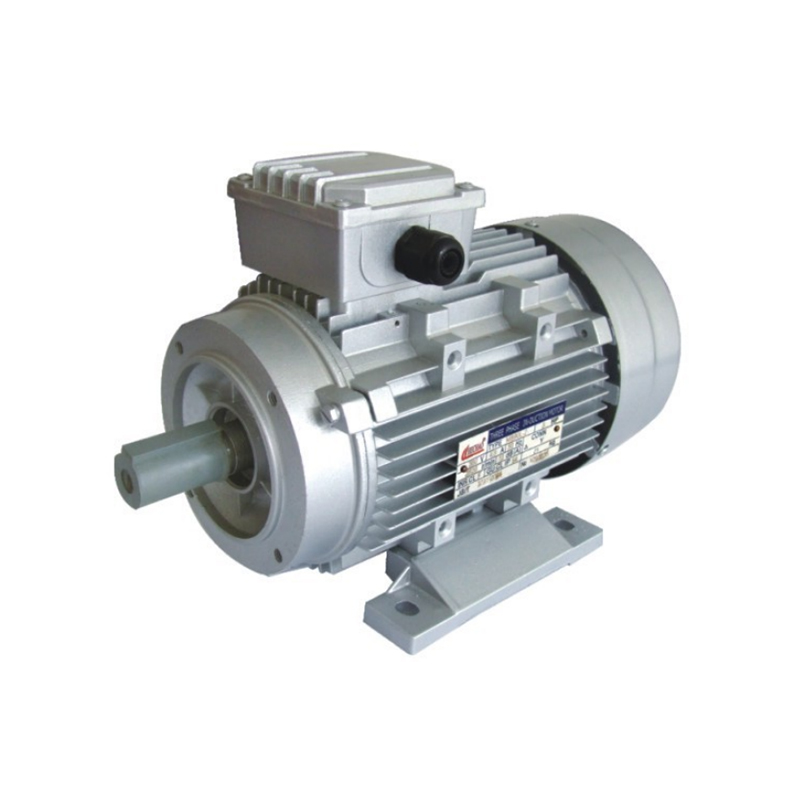
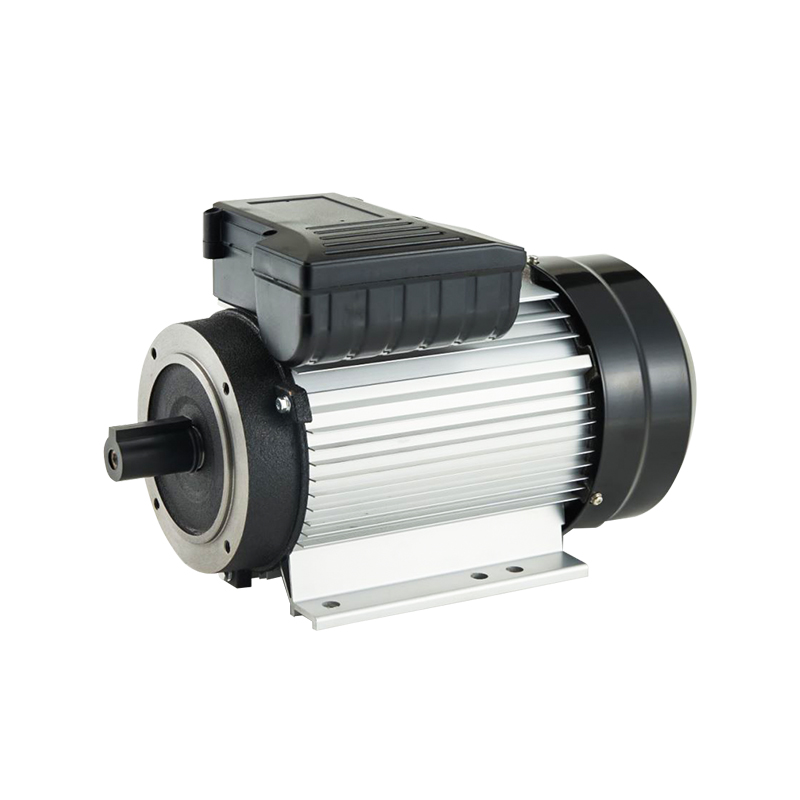
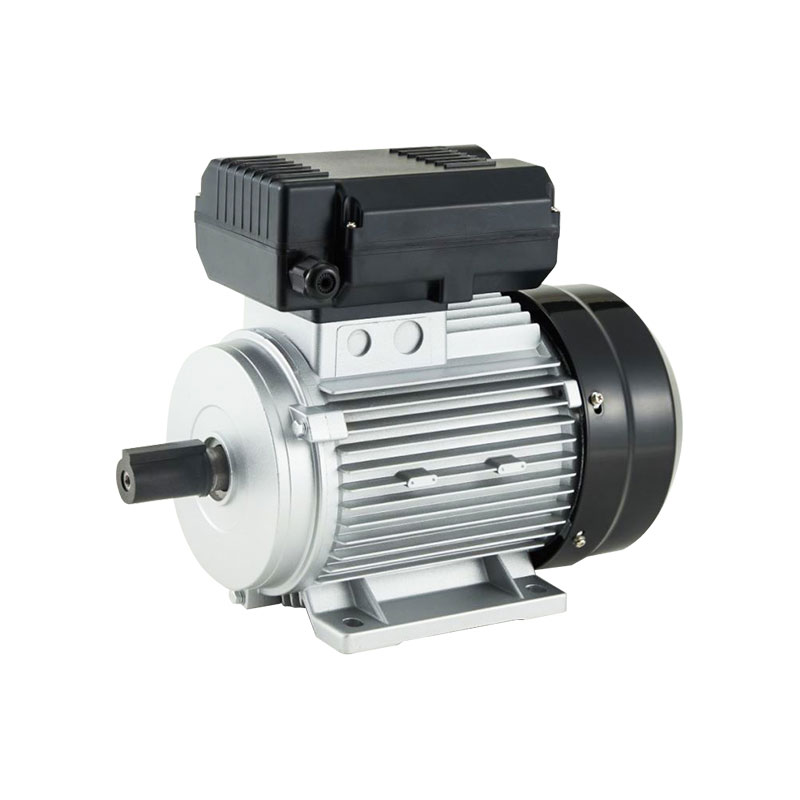
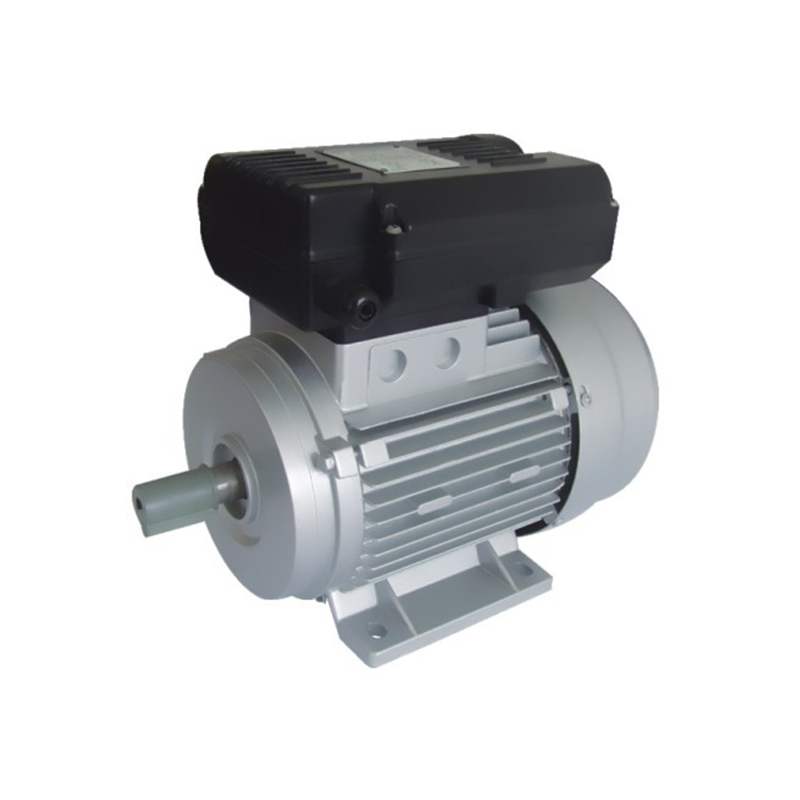
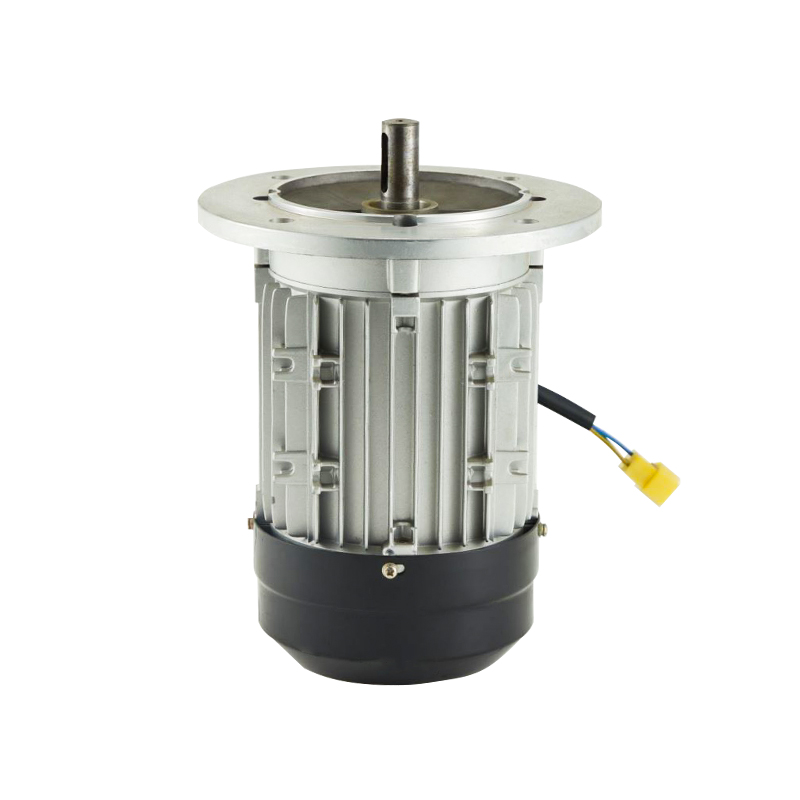
An asynchronous electric motor remains the workhorse of countless industrial applications worldwide, and brushless asynchronous induction motors represent an evolution in design that eliminates contacts such as brushes while keeping the induction principle. Yet many engineering professionals and end-users have asked why these motors sometimes exhibit what they describe as an “unstable operating zone” in real-world operation. Users on technical forums have highlighted this as a key concern in system control and performance optimization — particularly under varying load and speed conditions.
What Does “Unstable Operating Zone” Mean?
When users refer to an “unstable operating zone,” they typically mean regions of speed or load where the motor doesn’t respond predictably. For traditional three-phase asynchronous electric motors, this can stem from inherent slip — the difference between rotor speed and the synchronous field speed generated by the stator. This difference is essential for torque production, but it also makes precise speed regulation challenging compared to synchronous designs.
In practical terms, if the power supply or load varies rapidly, the motor’s slip changes in response, which can create irregular torque and speed fluctuations. These characteristics are more evident in applications without advanced speed control, such as simple direct online starts or basic VFD setups.
Why Users See This Behavior
Several real-world factors contribute to what is perceived as an unstable operating zone:
1. Variable Frequency Drives (VFDs) and Control Limits
While VFDs help control the speed of asynchronous electric motors, their ability to maintain stable torque across the full speed range depends on programming and feedback mechanisms. Without precise control algorithms, a motor can seem to lag or overshoot during changeovers.
2. Load Variations and System Dynamics
Heavy loads or rapid changes in load torque can push the motor into slip ranges where torque production drops off. Users in global forums note this especially in crane drives, conveyors, and variable torque loads. This behavior isn’t a defect but a characteristic of induction motors responding to dynamic conditions.
3. Power Quality and Supply Variations
Voltage imbalance or frequency fluctuations from the power grid can disrupt the electromagnetic field within the asynchronous motor, causing perturbations in speed and torque. Engineers often recommend power quality checks as part of troubleshooting.
How Brushless Asynchronous Induction Motors Compare
The term brushless asynchronous induction motors specifically highlights designs that remove components like brushes or slip rings, making the system inherently more robust. In many industrial systems, this results in maintenance benefits and smoother long-term operation. However, the same basic physics of slip and electromagnetic torque generation apply. Advancements in motor control — especially with modern digital drives — have been a major focus to mitigate perceived instability.
Addressing Unstable Zones Through Control
One common solution engineers deploy is advanced VFD programming with feedback mechanisms. Rather than relying strictly on open-loop controls, closed-loop systems using rotor speed feedback or generalized vector control schemes help keep the motor operating in more predictable regions. Although traditional asynchronous electric motors did not always include such feedback, modern commercial drives increasingly support these features.
Practical Tips for Users
Through discussions in online technical communities, several practical tips have emerged:
- Set appropriate VFD acceleration/deceleration ramps — this reduces abrupt torque demands.
- Monitor supply quality — power imbalances directly affect electromagnetic balance inside the motor.
- Choose appropriate motor size — oversizing can push the motor into low efficiency slip zones; undersizing risks overheating and fault conditions.
An “unstable operating zone” is less a flaw and more a behavior rooted in the core electromagnetic principles of asynchronous drives. Those deploying asynchronous electric motor systems — including brushless variants — can gain more predictable performance by adopting advanced drive strategies, quality power, and matched system design. At Zhejiang Hechao Motor Co., Ltd., we continually refine our motor and drive solutions to align with evolving industrial control needs, helping users navigate the performance characteristics of these reliable machines.