
 English
 中文简体
中文简体 русский
In industrial equipment design, maintenance requirements are an important factor influencing long-term operation and system planning. Equipment that can run for extended periods with fewer service interruptions is often preferred in continuous production environments. In this context, Brushless Electric Machine technology is increasingly used in motor systems, while Cleaning Machine Motor development also reflects similar goals of improving reliability and reducing maintenance frequency across different applications.
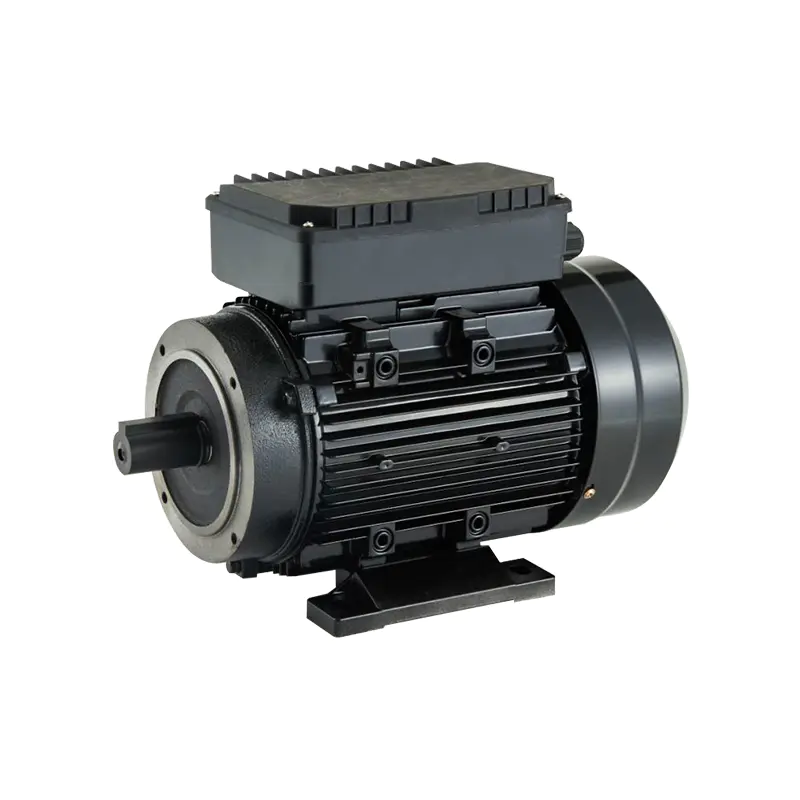
Focus on Maintenance Reduction in Industrial Systems
Industrial facilities typically operate machinery for long hours under varying load conditions. Maintenance work can interrupt workflow, so reducing service needs has become an important design direction.
A Brushless Electric Machine removes mechanical brush contact, which is a common wear point in traditional motors. This reduces one of the main sources of routine maintenance.
At the same time, Cleaning Machine Motor designs also adopt similar approaches, especially in equipment used frequently in commercial and industrial environments.
Maintenance Behavior in Motor Systems
Motor maintenance is usually related to mechanical wear, heat load, and long-term component stress. Different design choices influence how often servicing is required.
Removal of Brush Wear
Traditional motors use brushes that gradually wear during operation, requiring periodic replacement.
A Brushless Electric Machine eliminates this contact structure, reducing a key maintenance requirement.
Simpler Mechanical Structure
Fewer contact-based components generally mean fewer wear points over time, supporting more stable long-term use.
A Cleaning Machine Motor with simplified structure can maintain consistent operation over extended cycles.
Operational Benefits of Brushless Systems
Brushless motor systems are widely applied where reliability and continuous use are important.
Continuous Operation Support
A Brushless Electric Machine can operate across long cycles with fewer interruptions.
Lower Service Frequency
Reduced wear components help extend maintenance intervals compared to traditional motor types.
Stable Performance Output
Electronic control helps maintain consistent motor behavior under changing conditions.
Industrial Application Areas
Brushless motor systems are used in several industrial fields requiring stable operation.
Manufacturing Equipment
Production systems rely on consistent motor performance. A Brushless Electric Machine supports repeated operation cycles with reduced maintenance demand.
Logistics Systems
Conveyor and handling systems benefit from motors that require less frequent servicing.
Automated Equipment
Automation systems need predictable performance with fewer interruptions.
Cleaning Equipment
A Cleaning Machine Motor used in commercial environments benefits from stable operation and reduced servicing needs.
Role of Electronic Control
Modern motor systems often use electronic controllers to manage speed and torque. A Brushless Electric Machine works with these systems to adjust performance based on operating conditions.
This helps support:
Controlled speed adjustment
Stable torque output
Smooth start and stop behavior
Reduced mechanical stress during changes
These factors contribute indirectly to lower maintenance requirements.
Design Features Supporting Reliability
Several structural factors help reduce maintenance needs in motor systems.
Reduced Mechanical Contact
Fewer friction-based parts lower wear over time.
Thermal Stability
Better heat control reduces stress on components.
Smooth Load Handling
Stable response to load changes helps avoid sudden mechanical strain.
A Cleaning Machine Motor designed with these features can support more consistent long-term operation.
Insights from Cleaning Equipment Development
Developments in Cleaning Machine Motor design provide useful reference points for industrial motor systems. Cleaning equipment often operates in frequent-use environments where reliability is important.
Design improvements such as stable output, reduced vibration, and consistent airflow behavior reflect similar goals seen in industrial equipment development.
Operational Continuity in Industrial Use
Industrial operations depend on continuous equipment availability. Maintenance activities can interrupt workflow, so reducing service needs is beneficial.
A Brushless Electric Machine helps reduce maintenance-related interruptions by limiting wear-prone components. A Cleaning Machine Motor with stable design also supports fewer service disruptions in commercial environments.
System Integration in Modern Equipment
Motor systems are now integrated with electronic control units. A Brushless Electric Machine operates with controllers that adjust performance in real time.
This integration helps maintain stable conditions during operation changes and reduces unnecessary mechanical stress.
Motor technology continues to move toward more stable operation and simplified maintenance requirements. The relationship between Brushless Electric Machine design and Cleaning Machine Motor engineering reflects a broader trend toward reducing wear points and improving operational reliability across different equipment types.