
 English
 中文简体
中文简体 русский
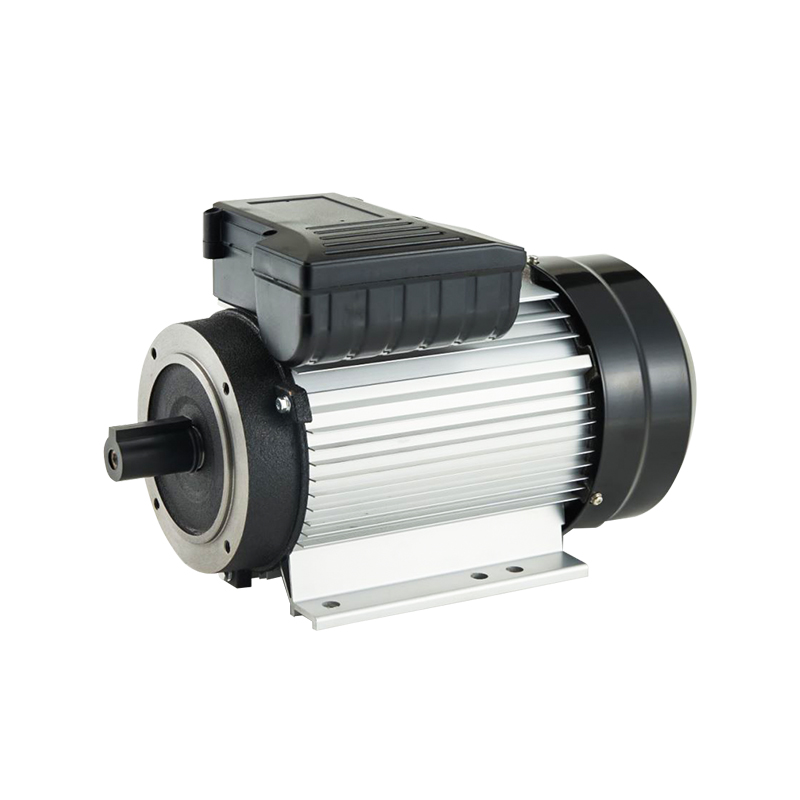
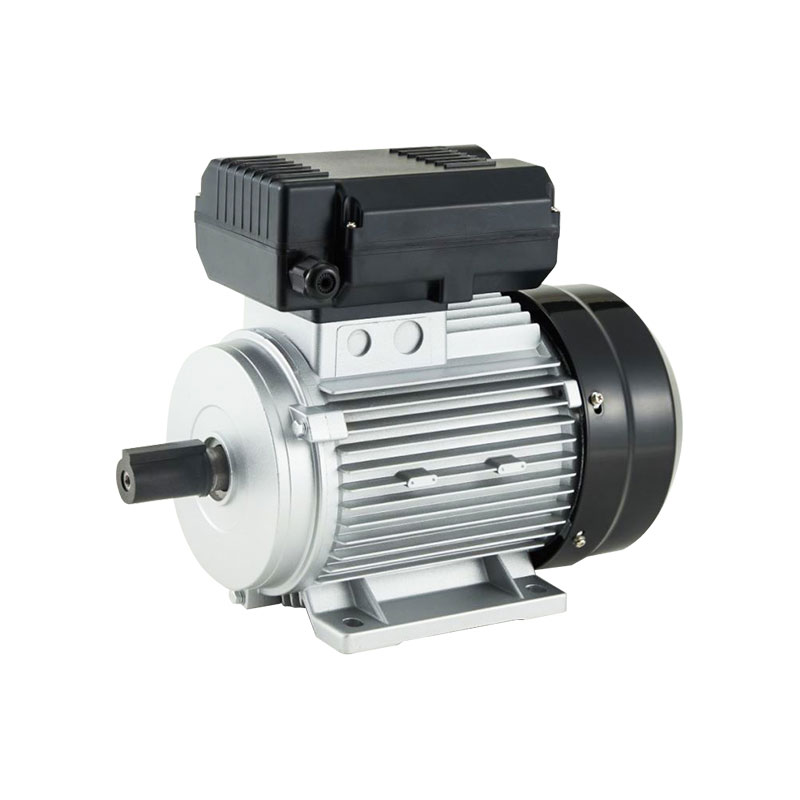
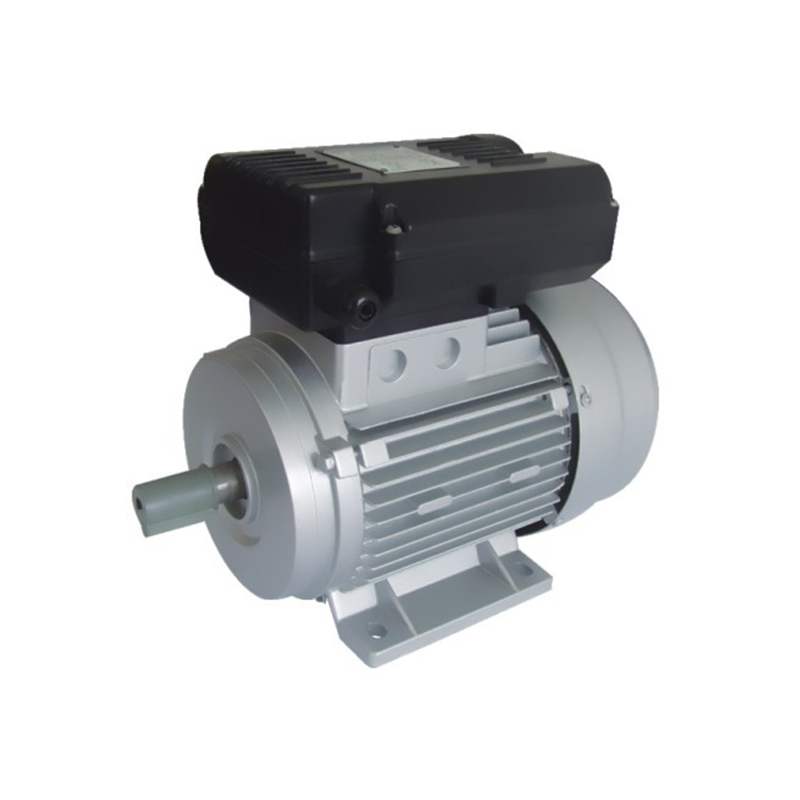
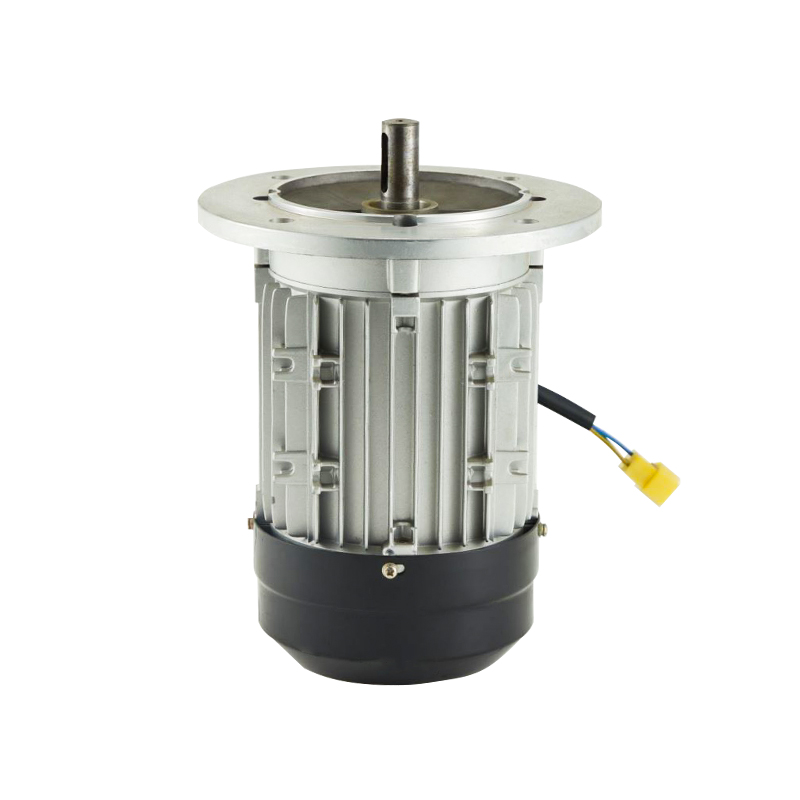
In modern industrial environments, energy usage and equipment efficiency are becoming important factors in system planning and machinery selection. Production facilities often run equipment for long periods, which makes motor performance a key element of operational behavior. In this context, Brushless Electric Machine technology is increasingly applied in industrial design, while Cleaning Machine Motor development also reflects similar efficiency-oriented engineering across different equipment categories.
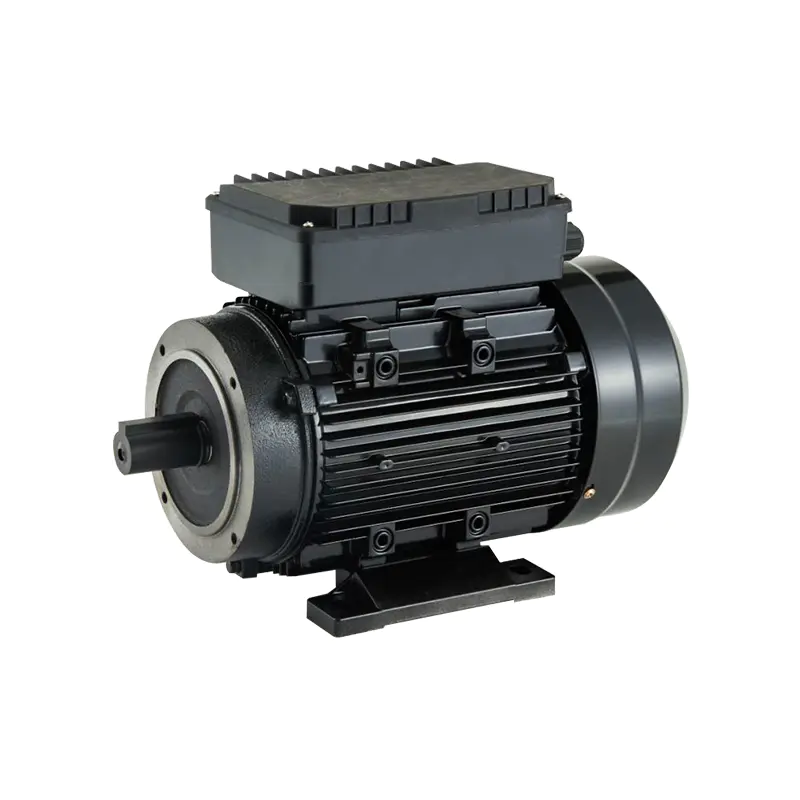
Focus on Energy-Oriented Industrial Equipment Design
Industrial users continue to evaluate how machinery affects power consumption and operational stability. Equipment used in production, processing, and logistics often operates continuously, requiring motors with stable and efficient performance characteristics.
A Brushless Electric Machine uses electronic commutation instead of mechanical brush contact. This reduces friction-related losses and supports smoother energy transfer during operation.
Meanwhile, Cleaning Machine Motor solutions show similar trends in efficiency-focused design, especially in systems that require repetitive or continuous operation.
Motor Energy Behavior and Performance Stability
Motor systems directly affect how electrical energy is converted into mechanical motion. Design differences influence efficiency and operational consistency.
Reduced Mechanical Loss
Brushed motors rely on physical contact between components, which can create friction and energy loss. Brushless structures eliminate this contact, improving energy utilization.
A Brushless Electric Machine supports reduced mechanical resistance and smoother rotation.
Stable Output Behavior
Stable motor output is important for equipment operating under varying loads. Consistent performance helps maintain predictable machine behavior.
A Cleaning Machine Motor designed with controlled output characteristics supports more uniform operation in different working conditions.
Industrial Applications of Brushless Motor Systems
Brushless motor systems are widely used in industrial environments where stable performance and efficiency are required.
Automated Production Systems
These systems depend on repeated motion cycles. A Brushless Electric Machine supports consistent operation over long working periods.
Material Handling Equipment
Conveyors and transport systems require steady motor output to maintain workflow continuity.
Processing Machinery
Processing equipment often needs stable torque output to ensure consistent operation.
Ventilation Systems
Air movement systems operate continuously, requiring motors that support stable long-term performance.
Role of Electronic Control Systems
Modern motor systems often use electronic controllers to regulate performance. A Brushless Electric Machine typically works with these systems to adjust speed and torque based on operating conditions.
This allows equipment to respond more effectively to load changes and operational requirements.
Control functions may include:
Speed adjustment under varying load
Torque regulation during operation changes
Controlled start and stop behavior
Stable response to system signals
Insights from Cleaning Equipment Motor Design
Developments in Cleaning Machine Motor technology provide useful reference points for broader industrial motor design. Cleaning systems often operate under continuous or repetitive conditions similar to industrial equipment.
Design approaches such as stable load handling, vibration control, and airflow optimization are commonly used in cleaning equipment and are also relevant in industrial applications.
These similarities highlight how motor design principles can be shared across different equipment categories.
Supporting Operational Efficiency
Operational efficiency depends on stable and predictable machine performance. Motor systems play a key role in maintaining this consistency over time.
A Brushless Electric Machine helps reduce irregular energy behavior during operation, supporting smoother system performance.
At the same time, a Cleaning Machine Motor designed for stable output demonstrates how controlled motor behavior can support reliable operation in various applications.
System-Level Integration in Equipment Design
Modern industrial equipment increasingly combines mechanical systems with electronic control units. Motors are no longer independent components but part of integrated operating systems.
A Brushless Electric Machine works with controllers that adjust performance in real time, helping maintain stable operation under changing conditions.
This integration supports smoother system behavior and improves adaptability in different working environments.
Development Direction in Motor Technology
Motor technology continues to evolve toward more stable and efficient operation. Key areas of focus include improved control, reduced mechanical loss, and better adaptability to operating conditions.
The relationship between Brushless Electric Machine design and Cleaning Machine Motor engineering reflects a general shift toward more controlled and efficiency-oriented equipment development. These improvements support more consistent performance across a wide range of industrial applications.