
 English
 中文简体
中文简体 русский
In commercial and public indoor environments, noise control has become an important factor in cleaning equipment design. Hotels, hospitals, offices, and libraries often require cleaning operations that do not disturb ongoing activities. In this context, Cleaning Machine Motor engineering plays an important role in acoustic performance, while Brushless Electric Machine technology is increasingly used to support smoother and quieter operation in modern cleaning systems.
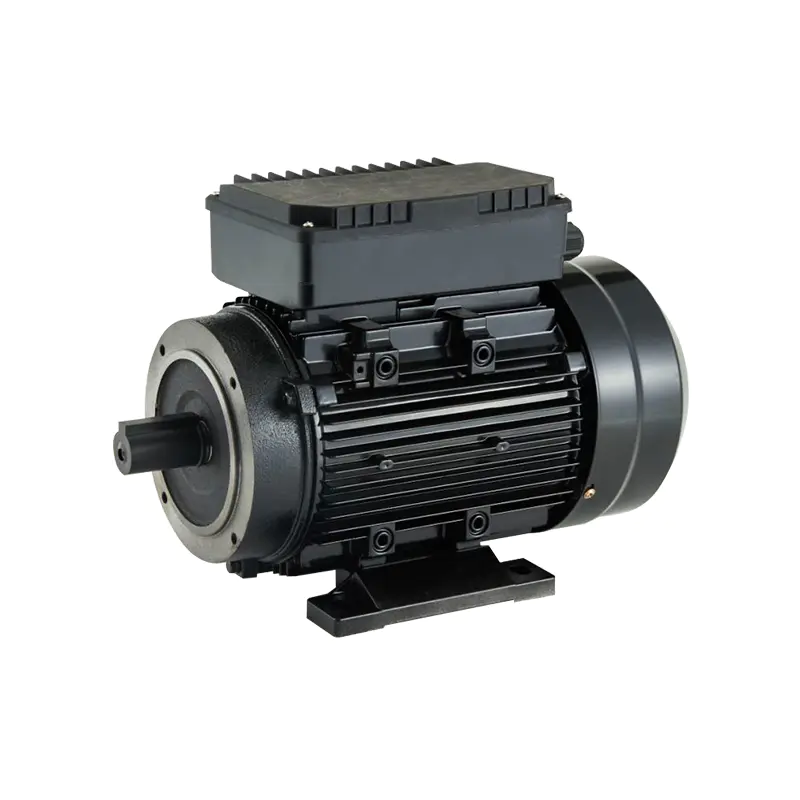
Growing Attention to Noise Control in Indoor Environments
Cleaning equipment used in indoor spaces is often operated during working hours or in occupied areas. Excessive noise can affect comfort and communication, making sound control an important design requirement.
A Cleaning Machine Motor contributes to overall noise levels through vibration behavior and rotational stability. When motor output is stable, mechanical irregularities that generate sound can be reduced.
A Brushless Electric Machine removes mechanical brush contact, which helps reduce friction-related sound sources and supports smoother rotation during operation.
Main Sources of Noise in Cleaning Equipment
Cleaning machines produce sound from multiple components, not only the motor itself. Understanding these sources helps guide design improvements.
Motor Vibration
Unbalanced rotation can generate vibration that transfers to the machine body and increases operational sound levels.
A Cleaning Machine Motor with improved structural balance helps reduce vibration and supports more stable operation.
Airflow Noise
Vacuum-based cleaning equipment generates airflow through suction systems. Air movement through ducts and filters can contribute to noise output.
A Brushless Electric Machine supports more stable speed control, helping reduce sudden airflow changes during operation.
Mechanical Contact
Traditional motors with brushes include physical contact between components. This contact can produce friction-related sound during rotation.
Brushless systems remove this contact, reducing one mechanical source of operational noise.
Design Methods for Lower Noise Operation
Manufacturers use several approaches to improve acoustic performance in cleaning equipment.
Structural Balance
Balanced internal motor design helps reduce vibration during operation. Stable rotation supports more consistent sound behavior.
A Cleaning Machine Motor with improved alignment contributes to smoother operation.
Speed Control Stability
Controlled motor speed helps avoid sudden changes in load, which can affect noise levels.
A Brushless Electric Machine uses electronic control to regulate speed more precisely, supporting smoother transitions.
Housing Design
Motor housing structure also influences how sound is transmitted. Improved design can help reduce sound leakage from internal components.
Application Environments
Low-noise cleaning equipment is particularly important in environments where operations occur alongside daily activities.
Hospitality Facilities
Hotels require cleaning equipment that operates without disturbing guests in rooms and corridors.
Healthcare Environments
Hospitals and clinics prioritize quiet surroundings for patient comfort.
Office Buildings
Cleaning tasks are often performed during working hours, requiring reduced noise impact.
Libraries and Educational Spaces
These environments depend on quiet conditions for study and reading activities.
Role of Brushless Motor Systems
A Brushless Electric Machine supports noise reduction through both mechanical and electronic design features.
Without brush contact, internal friction is reduced, contributing to quieter operation. Electronic commutation also allows smoother rotation, helping reduce vibration caused by sudden torque changes.
In addition, brushless systems allow more controlled speed adjustment, which helps maintain stable airflow and mechanical behavior during operation.
Cleaning Machine Motor Improvements for Acoustic Performance
A Cleaning Machine Motor designed for low-noise applications often includes several structural improvements.
Bearing Optimization
Better bearing performance helps reduce friction and improve rotation smoothness.
Reduced Internal Resistance
Lower mechanical resistance helps minimize sound generated during operation.
Stable Load Response
Consistent response under changing load conditions helps avoid noise fluctuations.
Integration in Cleaning Equipment Systems
Modern cleaning machines increasingly integrate motor systems with electronic control units. A Brushless Electric Machine works together with controllers that adjust speed and torque according to operating conditions.
This integration helps cleaning equipment maintain smoother performance across different surfaces and environments, supporting more controlled operation.
Operational Considerations
Cleaning equipment used in commercial environments must balance performance and user comfort. Noise reduction is an important factor in ensuring suitability for indoor use.
A Cleaning Machine Motor that maintains stable operation helps reduce unnecessary sound variation. Combined with brushless technology, cleaning systems can operate in a more controlled and predictable manner.
Development Direction
As demand for indoor comfort continues to grow, motor design remains an important focus in cleaning equipment development. The relationship between Cleaning Machine Motor engineering and Brushless Electric Machine technology continues to influence cleaner, smoother, and more stable operation across a wide range of commercial cleaning applications.