
 English
 中文简体
 русский
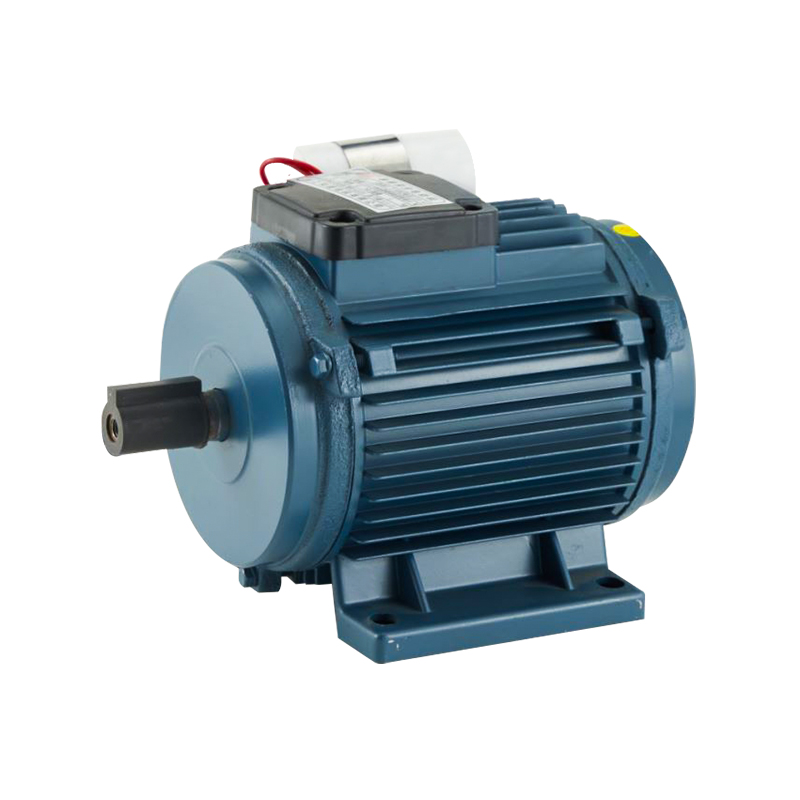
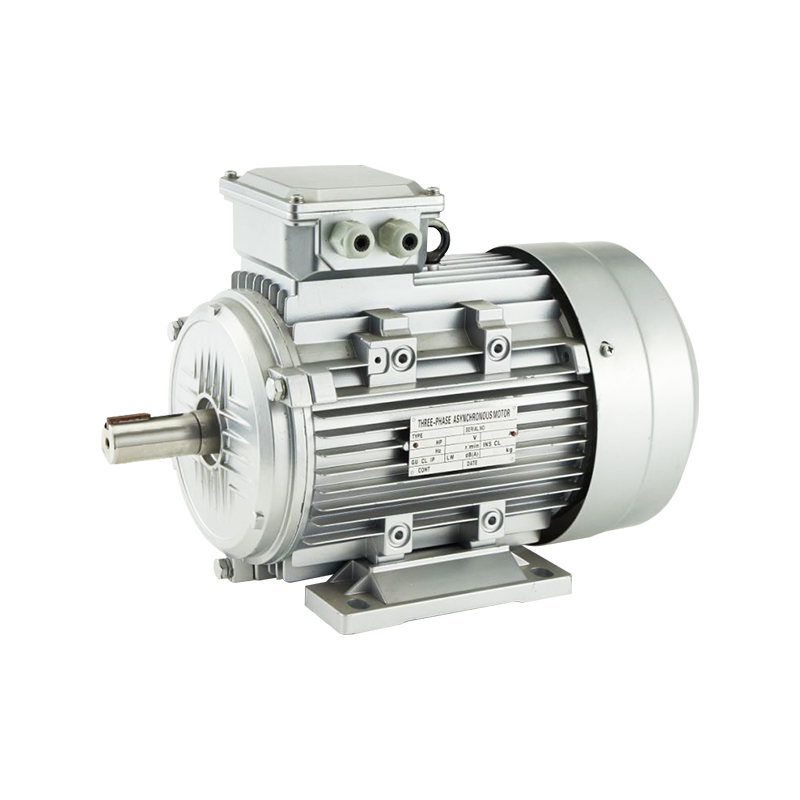
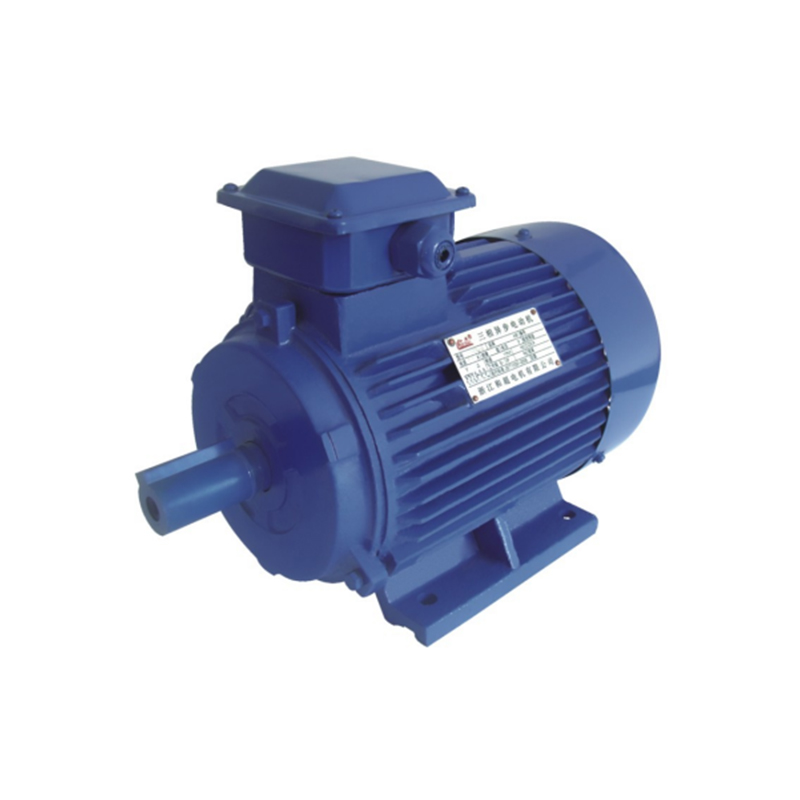
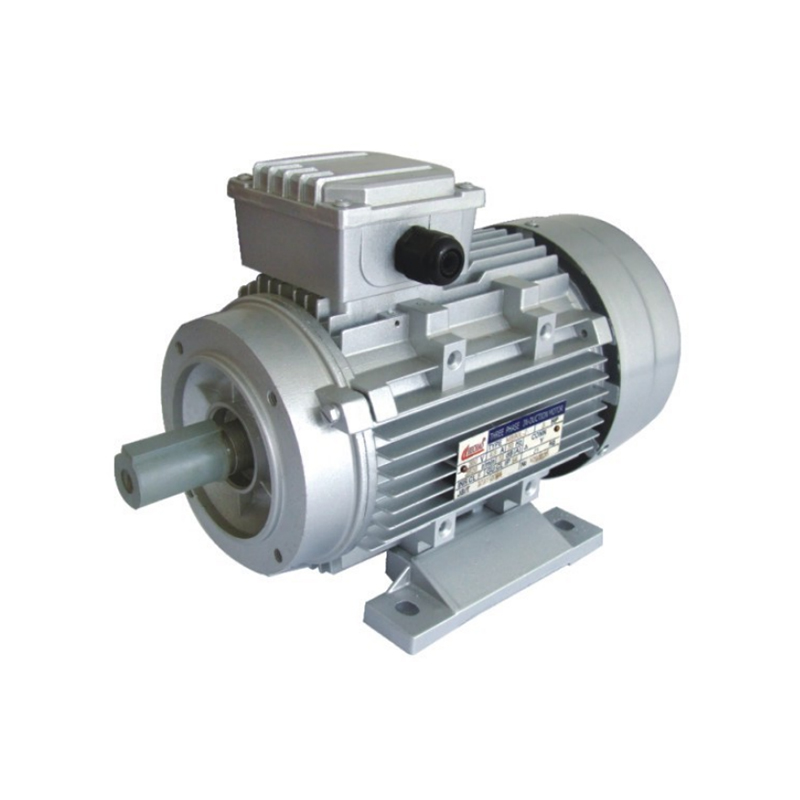
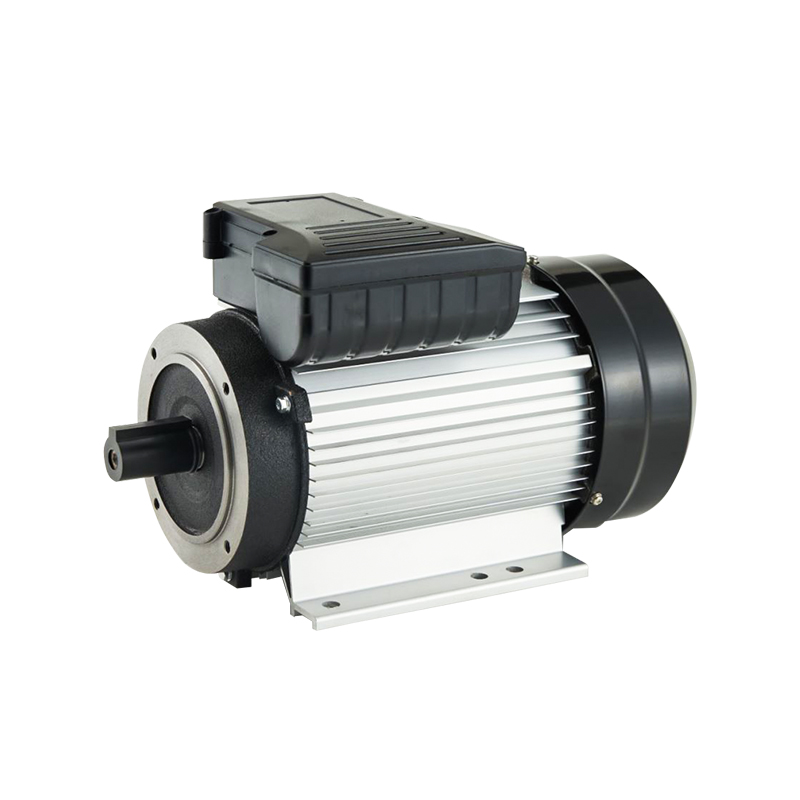
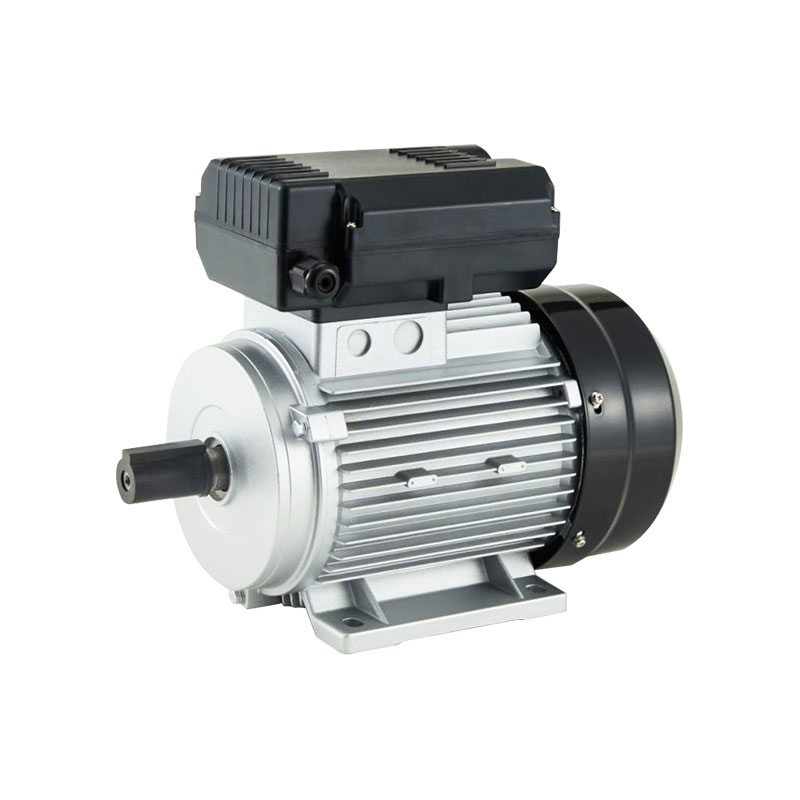
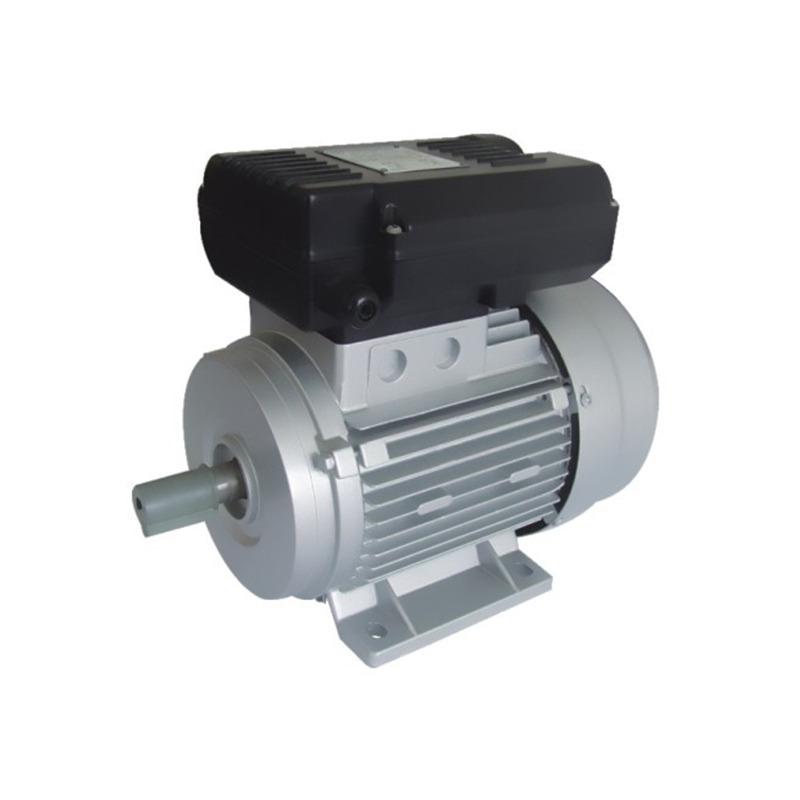
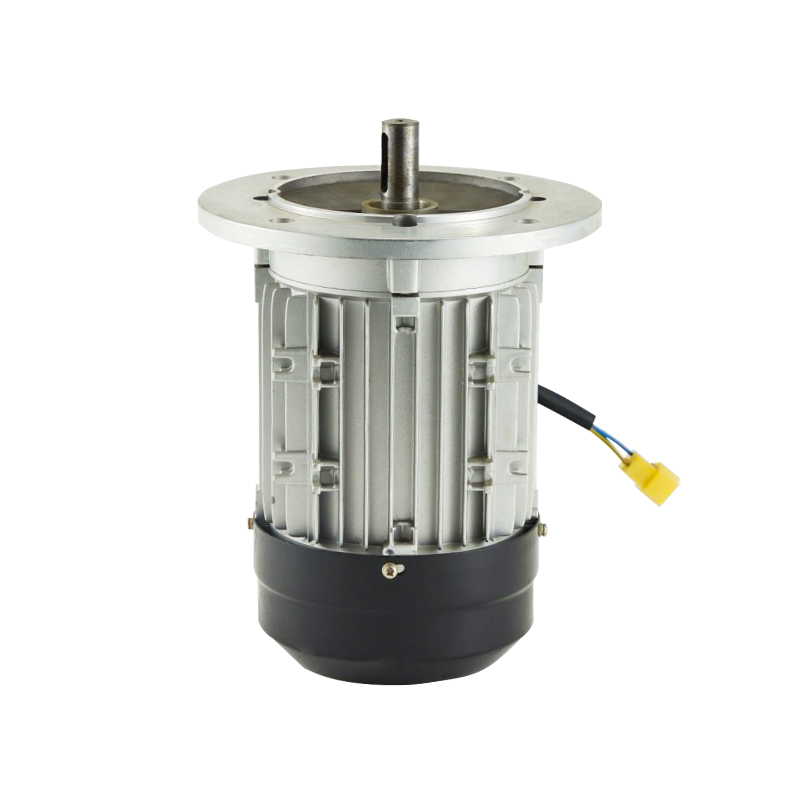
As industrial facilities pay closer attention to electricity consumption and equipment reliability, the performance of compressed air systems has become an important purchasing consideration. From manufacturing workshops and automotive plants to food processing and construction sites, compressors often operate for long periods under changing workloads. The Air Compressor Motor plays a central role in converting electrical energy into mechanical power, directly affecting operating stability, maintenance requirements, and equipment service life. For buyers sourcing replacement motors or developing new compressor models, understanding motor selection and operating conditions can help avoid unnecessary costs.
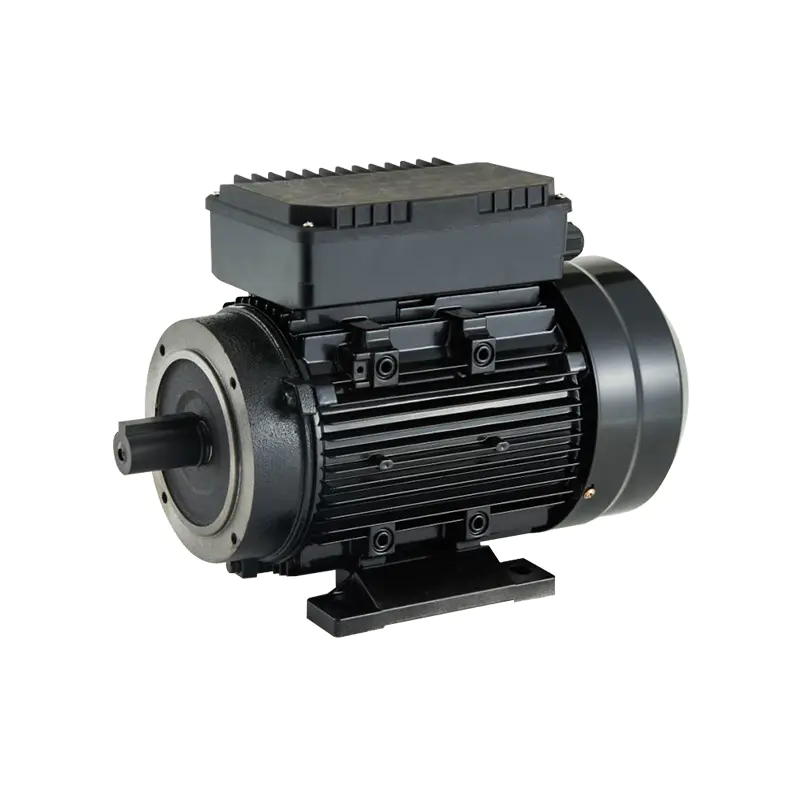
Matching Motor Power to Actual Compressor Demand
One common problem in compressor applications is selecting a motor based only on rated power without considering the compressor's actual working conditions. An undersized motor may struggle during startup or continuous operation, while an oversized unit can increase purchase and operating costs.
Before choosing an industrial air compressor motor, buyers should evaluate:
- Power rating: Match motor output to the compressor manufacturer's requirements and expected workload.
- Operating speed: Confirm that the motor speed is compatible with the compressor's drive system.
- Starting torque: Make sure the motor can handle the mechanical resistance during startup.
- Duty cycle: Consider whether the compressor runs intermittently or operates across multiple shifts.
A suitable match helps maintain stable operation and reduces unnecessary stress on mechanical components.
Energy Consumption Starts With Motor Selection
Electricity costs remain an important concern for industrial equipment buyers. Since air compressors can consume considerable power during daily production, motor efficiency deserves attention during equipment purchasing and replacement.
A high-efficiency air compressor motor can help reduce electrical losses when correctly matched with the compressor. However, motor efficiency alone does not determine total system energy consumption. Air leakage, pressure settings, control methods, and compressor loading also influence operating costs.
For facilities with changing air demand, variable speed drive (VSD) technology is worth evaluating. It allows compressor output to respond to actual consumption instead of operating continuously at a fixed speed. Buyers should check whether the motor and drive combination is designed for the intended control method.
Managing Heat During Long Operating Hours
Heat buildup is another issue that affects compressor motor performance. Continuous operation, restricted ventilation, accumulated dust, and unsuitable installation conditions can contribute to higher operating temperatures.
When evaluating an air compressor electric motor, buyers should pay attention to the cooling structure, enclosure design, and installation environment. For example, motors installed in dusty workshops may require suitable protection against external particles.
From a manufacturer's perspective, several details deserve attention during production and inspection:
- Winding insulation and electrical connection quality.
- Bearing condition and mechanical balance.
- Cooling fan operation and airflow.
- Housing structure and heat dissipation.
These factors influence how consistently the motor performs under demanding working conditions.
Variable Speed Systems Require Compatible Motors
The growing interest in energy management and automated production has encouraged more factories to evaluate variable speed compressor systems. However, not every standard motor is suitable for inverter-driven operation.
When sourcing an air compressor motor for VFD applications, purchasers should confirm the motor's inverter compatibility, operating frequency range, cooling arrangements, and insulation requirements. Low-speed operation may reduce the effectiveness of a shaft-mounted cooling fan, making thermal management particularly important.
Discussing the intended drive configuration with the motor manufacturer before ordering can prevent compatibility issues during installation.
Maintenance Practices That Help Prevent Unexpected Downtime
Motor-related failures do not always begin with major electrical problems. Dust accumulation, bearing wear, loose connections, and insufficient cooling can gradually affect operating conditions.
A practical maintenance routine should include:
- Checking abnormal noise and vibration.
- Inspecting cooling passages and external surfaces.
- Monitoring operating temperature and current.
- Checking bearings according to manufacturer recommendations.
- Reviewing electrical connections during scheduled servicing.
These inspections help maintenance teams identify developing problems before they interrupt production. Buyers managing multiple compressors can also keep motor specifications and maintenance records for easier replacement planning.
What Industrial Buyers Should Confirm Before Ordering
For distributors, compressor manufacturers, and industrial equipment purchasers, product specifications are only part of the sourcing decision. Consistent production quality, technical communication, and replacement compatibility also matter.
Before placing a bulk order, consider confirming the following information with your supplier:
- Rated voltage, frequency, power, and speed.
- Mounting dimensions and shaft specifications.
- Insulation class and protection rating.
- Cooling method and operating conditions.
- Available customization and OEM manufacturing options.
Providing the compressor model and application details allows the manufacturer to evaluate whether the proposed motor configuration is suitable for the equipment.
Building More Reliable Compressed Air Equipment
As industrial users focus on energy management, equipment uptime, and long-term maintenance costs, motor selection is becoming an important part of compressor system planning. A properly specified Air Compressor Motor should meet the required power and starting conditions while remaining compatible with the compressor structure and control system. As a motor manufacturer, we believe that understanding the customer's actual application is essential to developing suitable motor solutions for different compressor models, production environments, and bulk purchasing requirements.