
 English
 中文简体
 русский
As energy costs and equipment performance requirements continue to influence industrial operations, choosing the right Air Compressor Motor has become an important decision for equipment manufacturers and maintenance teams. Buyers are paying closer attention to motor efficiency, operating temperature, load adaptability and long-term maintenance needs. Recent industry discussions around energy-efficient motor systems and variable speed technology also highlight a practical concern: how can businesses reduce unnecessary power consumption without affecting compressed air supply?
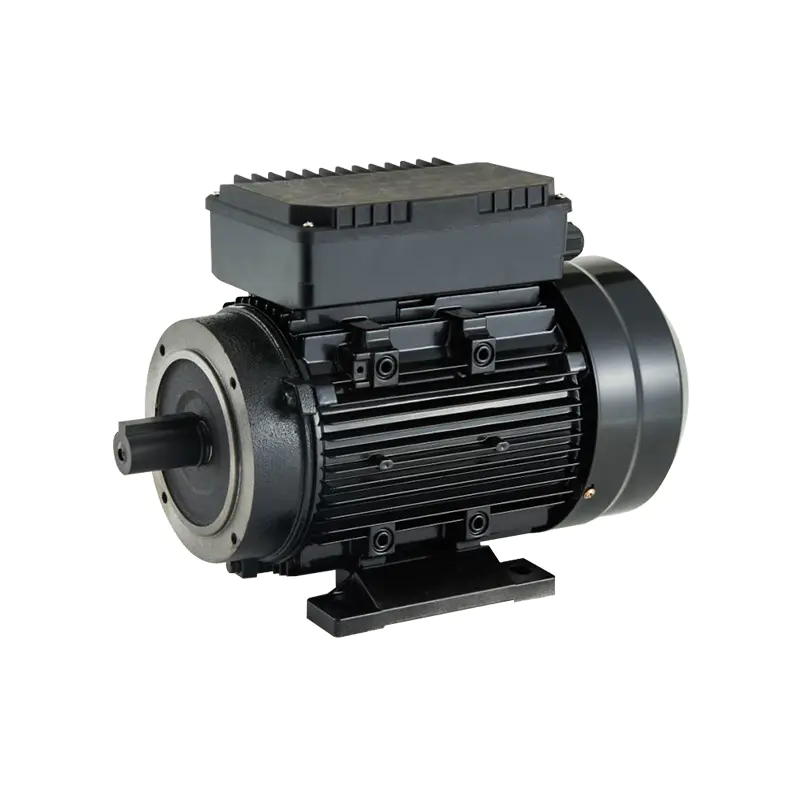
Energy Efficiency Is Becoming a Key Selection Factor
Electricity consumption is a major part of the operating cost of an air compressor. An inefficient motor can increase energy expenses, particularly in facilities where compressors operate for extended periods.
International motor efficiency standards, including IE3, IE4 and IE5, are receiving greater attention as businesses review their equipment specifications. However, selecting a higher efficiency class should not be the only consideration.
Buyers should also examine:
- Rated power and actual operating load.
- Motor efficiency under different working conditions.
- Compatibility with the compressor structure.
- Expected operating hours and maintenance requirements.
As a motor manufacturer, we believe that matching motor performance with the actual compressor application is essential for managing long-term operating costs.
Variable Speed Drives Require Motor Compatibility
Variable speed drive (VSD) technology is increasingly discussed in industrial compressor applications. Instead of running continuously at a fixed speed, a VSD-controlled system adjusts motor speed according to compressed air demand.
This approach can help reduce unnecessary energy consumption in facilities with fluctuating air requirements. However, not every standard motor is suitable for variable-speed operation.
When selecting an air compressor motor for VSD applications, engineers should check insulation performance, cooling conditions, speed range and inverter compatibility. Low-speed operation may affect heat dissipation, making thermal management particularly important.
Preventing Overheating During Continuous Operation
Motor overheating remains a common concern for compressor operators. Excessive temperature can accelerate insulation deterioration and affect bearing service life.
Several factors may contribute to this problem, including insufficient ventilation, excessive mechanical load, unsuitable voltage conditions and frequent starting and stopping.
For equipment manufacturers, checking the motor's cooling structure and rated operating conditions before installation can help prevent unnecessary failures. Regular inspection of ventilation passages, electrical connections and bearing conditions also supports stable operation.
Starting Performance Matters for Compressor Reliability
An air compressor motor must provide suitable starting torque to drive the compressor mechanism. If the starting characteristics do not match the equipment requirements, the system may experience difficult starts, excessive current or unnecessary mechanical stress.
Engineers should consider the compressor type, starting frequency, load conditions and power supply when choosing a replacement motor.
For larger industrial systems, a suitable starter or variable frequency drive may also be required. Checking these factors before ordering helps avoid compatibility problems during installation.
Choosing Between Induction and Permanent Magnet Motors
Induction motors remain widely used because of their established design, practical maintenance requirements and broad application range.
Permanent magnet synchronous motors offer another option for applications where energy efficiency and compact motor construction are important. Their suitability depends on the compressor design, control system and operating profile.
Rather than comparing motor technologies by efficiency ratings alone, buyers should evaluate the complete drive system and its actual working conditions.
What Buyers Should Check Before Ordering
For distributors, compressor assemblers and industrial equipment buyers, clear technical communication helps reduce sourcing risks.
Before confirming an order, it is useful to establish:
- Rated voltage, frequency and output power.
- Rated speed and starting requirements.
- Shaft dimensions and mounting configuration.
- Cooling method and enclosure protection.
- Continuous or intermittent operating requirements.
- Whether inverter operation is required.
Providing these details allows manufacturers to assess compatibility and recommend a suitable motor configuration.
Manufacturing Quality Supports Long-Term Performance
Motor reliability depends on more than its electrical specifications. Winding quality, insulation materials, rotor balance, bearing selection and assembly accuracy all influence operating performance.
As a manufacturer, we pay attention to these factors because even small differences in component quality can affect how a motor performs under continuous industrial loads. Clear production specifications and consistent inspection procedures also help buyers maintain product consistency across repeated orders.
For compressor manufacturers and industrial equipment suppliers, selecting the right Air Compressor Motor means balancing energy efficiency, starting performance, mechanical compatibility and service requirements. Working with a manufacturer that understands these technical considerations can make motor selection and equipment integration more straightforward.