
 English
 中文简体
 русский
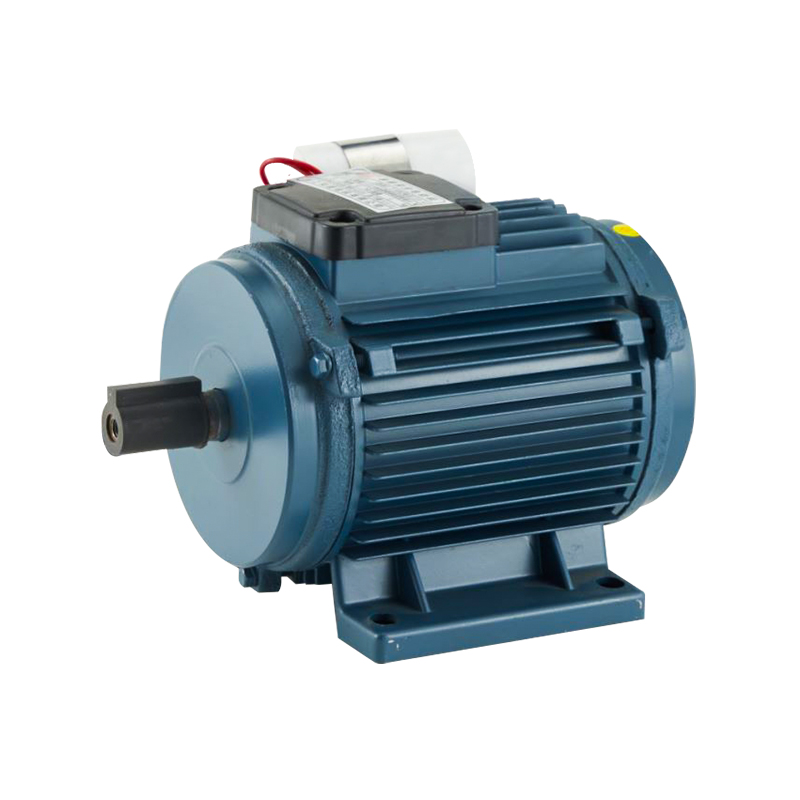
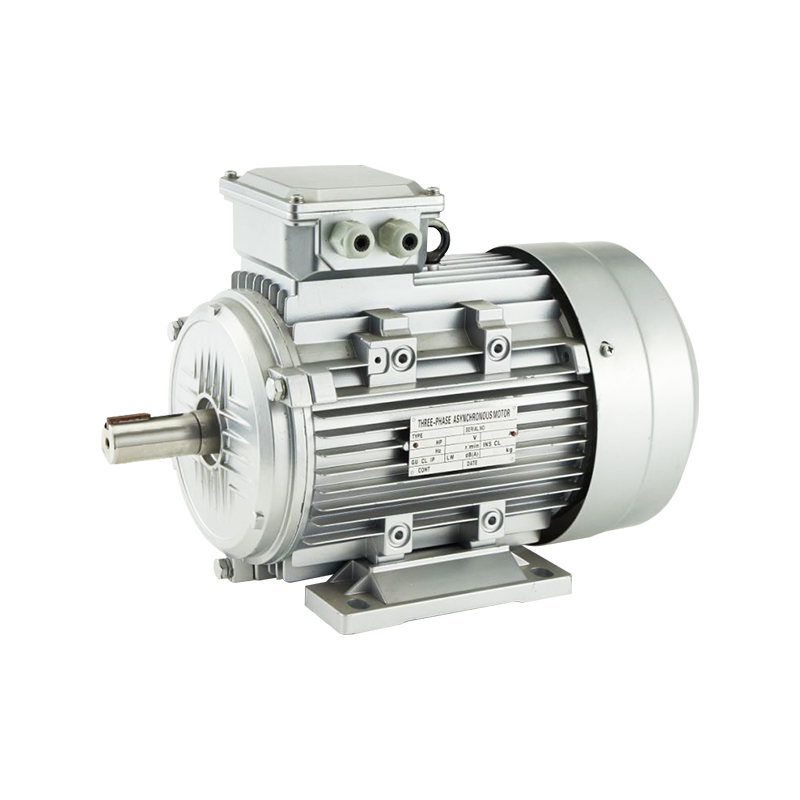
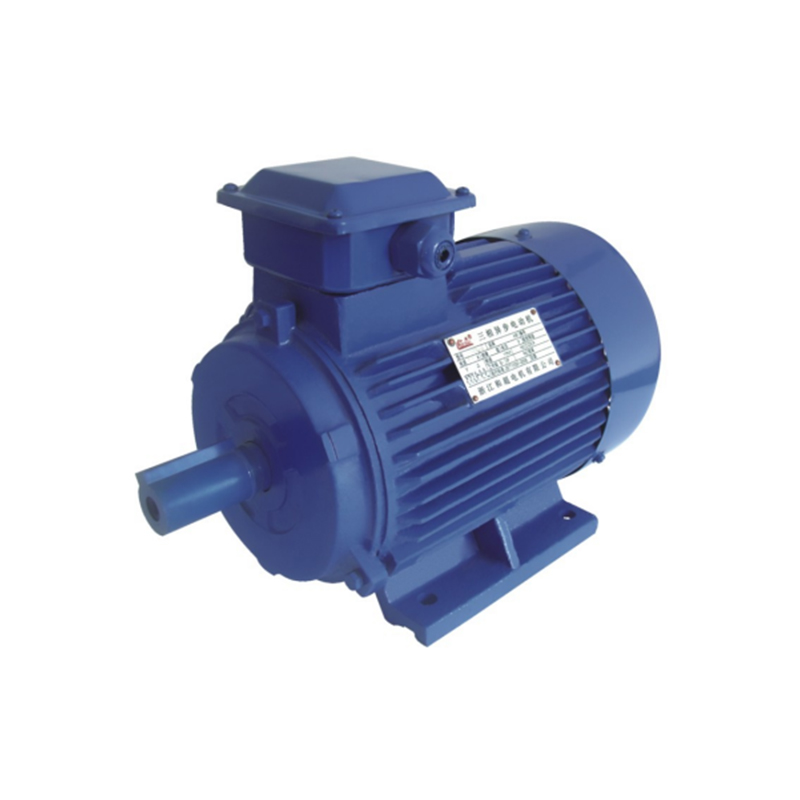
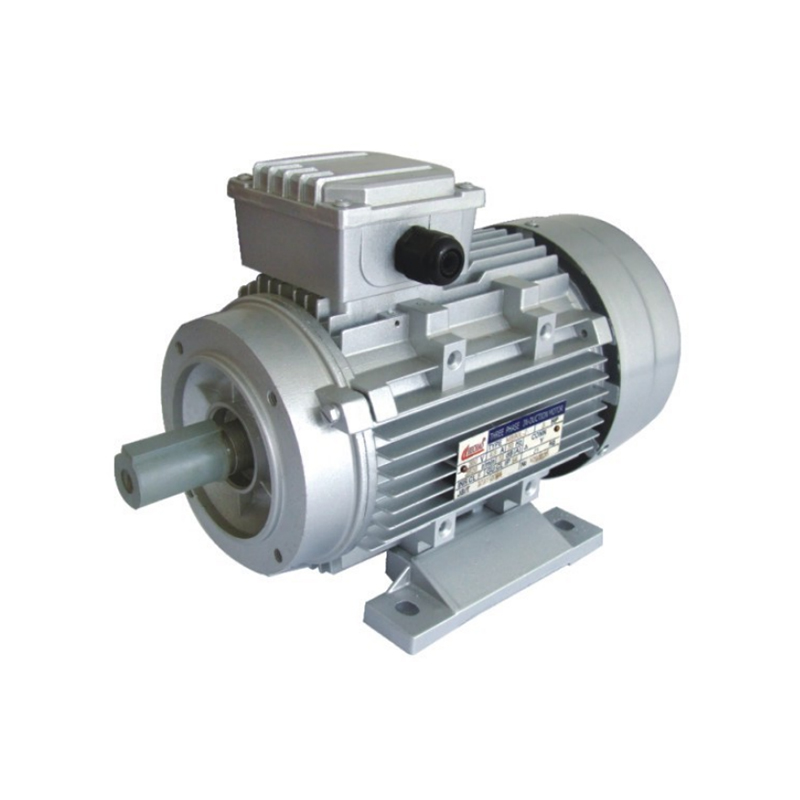
Manufacturers operating automated production lines increasingly need drive systems that deliver predictable movement, stable speed, and dependable performance under changing workloads. An AC Brushless Motor can support these requirements when its operating characteristics are matched with the correct controller and mechanical system. For equipment buyers and engineers, understanding how motor control affects production consistency can help prevent avoidable interruptions, reduce integration difficulties, and improve the reliability of automated processes.

Understanding the Relationship Between Speed and Load
Motor speed may change when operating conditions shift, particularly when the load increases or the control system cannot maintain the required operating point. In applications such as conveyors, assembly equipment, and automated material handling, these variations can affect process timing and product consistency.
When selecting a motor, engineers should evaluate the expected load range rather than considering rated speed alone. Startup conditions, acceleration requirements, continuous torque, and changes in mechanical resistance all influence performance. Buyers should also confirm whether the proposed motor and controller can maintain the required speed under the intended operating conditions.
Choosing a Suitable Control Method
Different applications require different levels of speed regulation and motion control. Some machines operate at a relatively constant speed, while others need frequent adjustments to accommodate different production stages.
A suitable control system should match the motor's electrical characteristics and the application's response requirements. Before purchasing, technical teams should confirm the controller type, available speed adjustment, feedback requirements, and compatibility with the machine's existing automation system.
For equipment manufacturers, discussing these requirements with the motor supplier early can help avoid selecting a motor that performs adequately in isolation but fails to meet the complete system's control needs.
Preventing Overheating During Continuous Operation
Continuous production places sustained demands on motor components, especially when the equipment operates under heavy loads or within a restricted enclosure. Excessive temperature can accelerate insulation aging and affect bearing performance.
Engineers should review the motor's rated duty, cooling arrangement, ambient temperature limits, and permitted operating range. They should also verify that controller parameters and mechanical loads remain within the manufacturer's specifications.
During commissioning, operating the equipment under representative production conditions can reveal thermal issues that may not appear during unloaded testing. Recording temperature and load behavior provides a useful reference for future maintenance.
Reducing Vibration in Automated Machinery
Unexpected vibration can affect positioning accuracy, increase mechanical wear, and contribute to premature component failure. Although motor-related issues are possible, vibration may also originate from the driven equipment, mounting structure, coupling, or transmission mechanism.
A structured inspection can help identify the cause:
- Check mounting bolts and the rigidity of the supporting structure.
- Inspect shaft alignment, couplings, and connected mechanical components.
- Compare vibration at different speeds and load levels.
- Review controller settings if vibration appears after speed adjustments.
Correcting