
 English
 中文简体
 русский
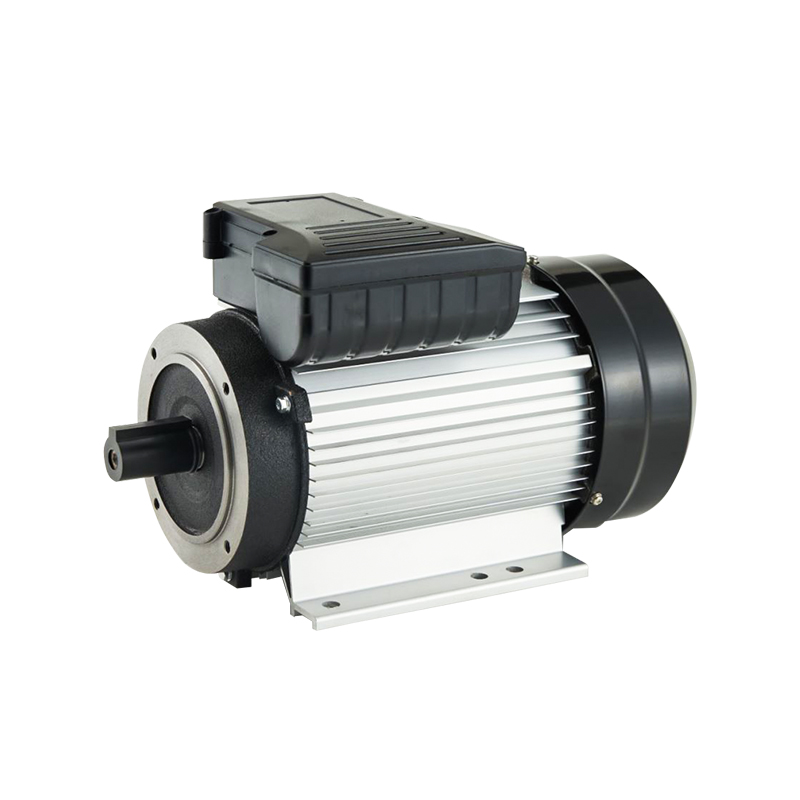
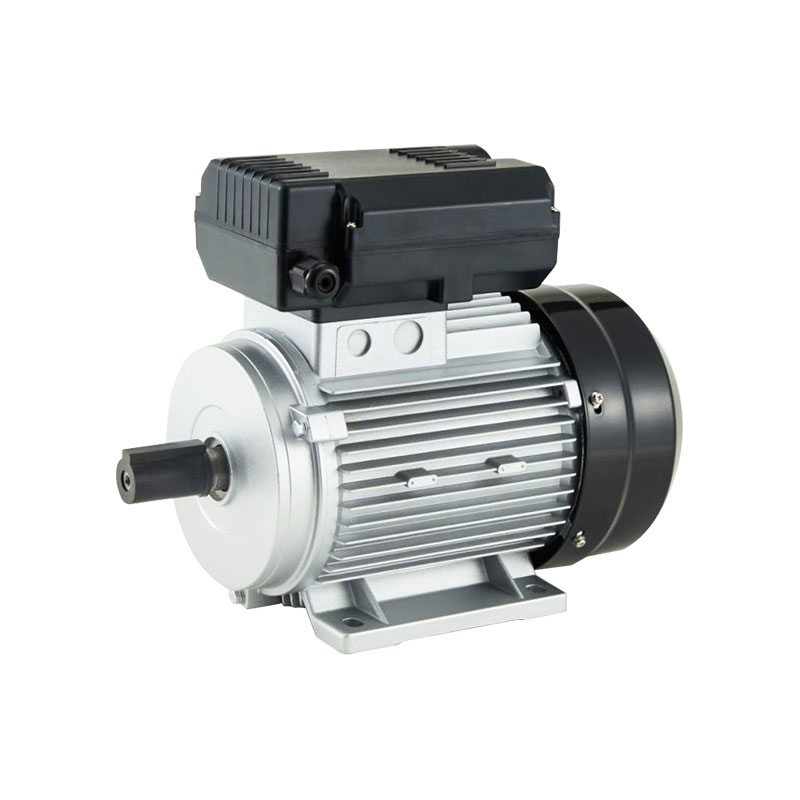
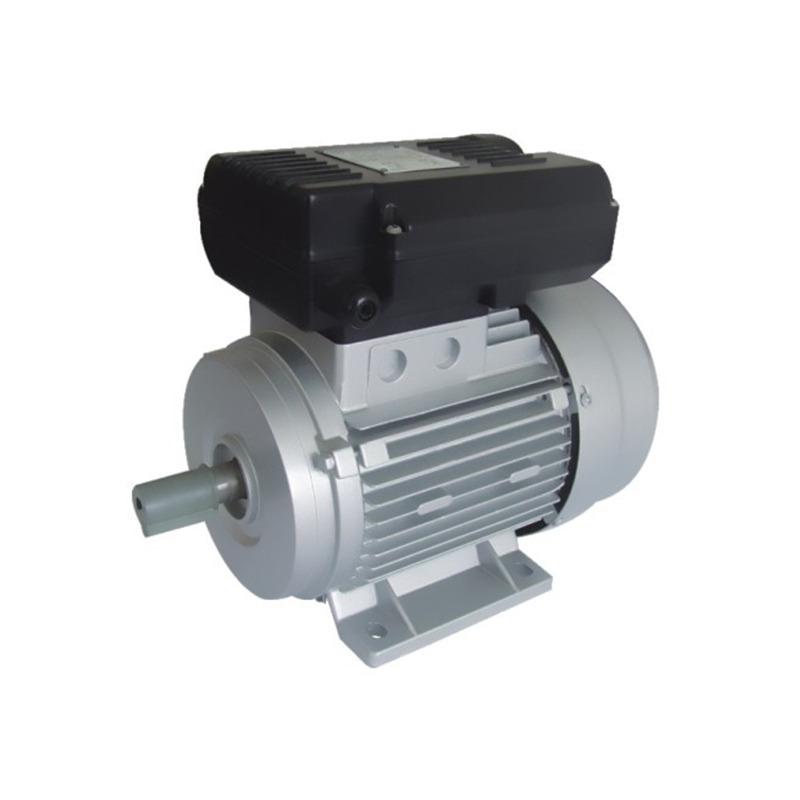
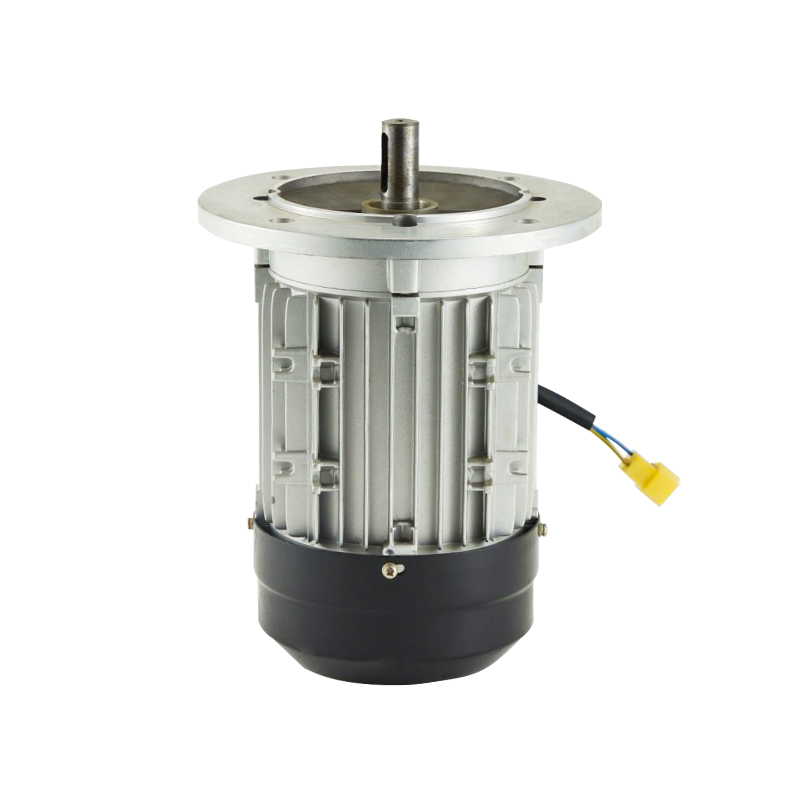
As industrial equipment becomes more compact and multifunctional, engineers face increasing pressure to balance motor performance, installation space, energy consumption, and operating reliability. An AC Brushless Motor can be a suitable option for applications requiring controlled rotation and reduced brush-related maintenance. However, selecting a motor for space-constrained equipment requires careful evaluation of torque, thermal conditions, speed requirements, and controller compatibility rather than simply choosing the smallest available unit.

Balancing Motor Size and Output Requirements
Compact equipment often leaves limited room for drive components, making motor dimensions an important purchasing consideration. Yet a smaller motor is not necessarily the best choice if it cannot deliver the required torque under actual operating conditions.
Engineers should assess the load during startup, normal operation, and peak demand. They should also consider acceleration time and how frequently the equipment starts and stops. These factors help determine whether the motor can maintain stable performance without operating beyond its specified limits.
For OEM projects, sharing mechanical drawings and application details with the manufacturer can simplify motor selection and reduce the risk of costly design changes later.
Evaluating Thermal Performance in Restricted Spaces
Limited installation space can make heat dissipation more difficult, particularly when a motor is installed inside an enclosed machine or close to other heat-generating components. Excessive temperature may affect insulation, bearings, and electronic components, potentially reducing service life.
Before finalizing the equipment layout, designers should review the motor's cooling method, allowable ambient temperature, duty cycle, and mounting arrangement. They should also consider the heat generated by nearby drives and power electronics.
Where ventilation is restricted, thermal testing under representative operating conditions can help confirm whether the proposed arrangement is appropriate. A compact design should provide sufficient space for cooling and routine inspection.
Matching Speed Range With Application Demands
Different industrial processes require different combinations of speed and torque. Conveyor systems may need consistent movement under changing loads, while positioning equipment may require controlled acceleration and repeatable operation.
When evaluating an AC brushless motor for variable-speed applications, buyers should confirm the usable speed range, torque characteristics, controller requirements, and operating limits. The relationship between speed and available torque depends on the motor design and drive configuration, so specifications should be reviewed as a complete system.
Clear performance requirements also help manufacturers recommend an appropriate configuration instead of relying on nominal power ratings alone.
Simplifying Mechanical and Electrical Integration
A motor that meets the output requirements may still create installation difficulties if its dimensions, shaft arrangement, or electrical interface do not match the equipment design.
Before ordering, engineering teams should verify several details:
- Mechanical fit: Overall dimensions, shaft diameter, mounting holes, and installation orientation.
- Electrical compatibility: Rated voltage, current requirements, wiring connections, and controller interface.
- Operating conditions: Ambient temperature, expected duty cycle, vibration exposure, and available cooling.
- Service access: Space for wiring inspection, component replacement, and routine maintenance.
Confirming these points before production helps reduce assembly adjustments and commissioning delays.
Controlling Noise and Vibration in Precision Equipment
Noise and vibration can become significant concerns in laboratory devices, automated inspection systems, compact production machinery, and other applications where stable operation matters. Potential causes include mounting errors, bearing wear, shaft misalignment, mechanical resonance, and unsuitable control settings.
Engineers should evaluate the complete motor-driven assembly because vibration can originate from the connected mechanism rather than the motor alone. Secure mounting, appropriate coupling selection, and alignment checks provide a useful starting point. If electronic speed control is involved, the controller settings should also be reviewed according to the manufacturer's guidance.
Application-specific testing helps determine whether the selected configuration meets the equipment's noise and vibration requirements.
Comparing Total Cost With Long-Term Performance
Procurement teams should look beyond the initial quotation when comparing motor suppliers. Energy consumption, installation effort, maintenance access, replacement-part availability, and technical support can all influence the overall cost of ownership.
A useful supplier evaluation includes reviewing product specifications, dimensional drawings, inspection procedures, and available customization options. Buyers should also clarify production requirements and delivery expectations before confirming an order. This information supports more transparent comparisons between technically suitable alternatives.
Manufacturer Guidance for Compact Motor Applications
Successful motor integration begins with a clear understanding of the machine's space limitations and operating demands. Our manufacturing team recommends providing the intended application, required output, speed range, mounting dimensions, power supply, and environmental conditions during the quotation stage. These details help establish whether a proposed design can meet the equipment's requirements without unnecessary compromises in cooling, control, or serviceability. For manufacturers developing space-efficient industrial systems, a properly specified AC Brushless Motor can provide a practical solution when its mechanical design, electrical controls, and thermal performance are matched to the application.