
 English
 中文简体
中文简体 русский
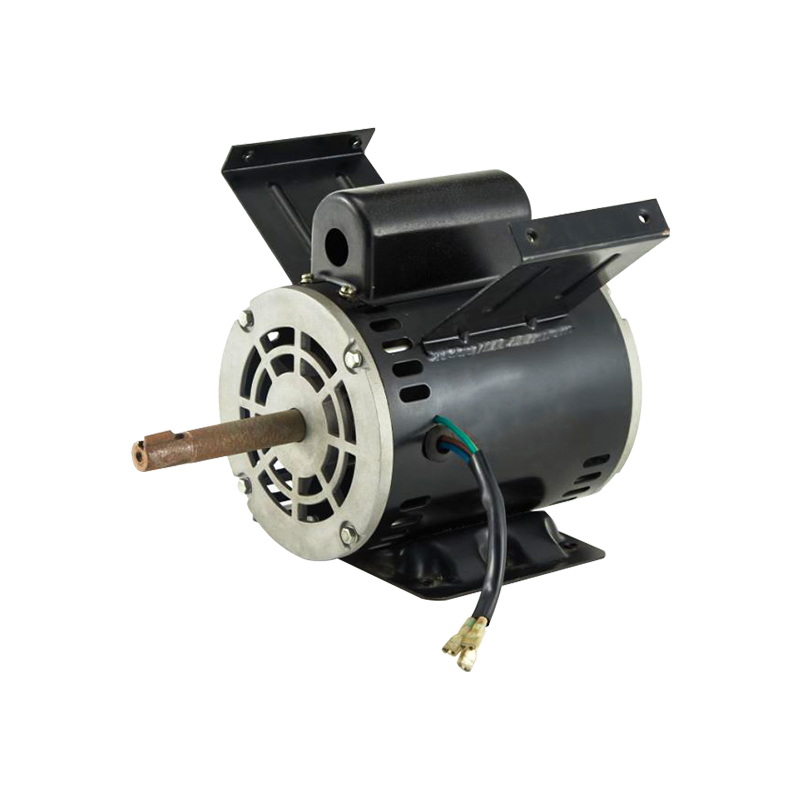
As industrial automation expands across manufacturing, packaging, material handling, and precision equipment, buyers are paying closer attention to motor reliability and maintenance requirements. An AC Brushless Motor can reduce maintenance associated with mechanical brushes, depending on its design, but long-term performance still relies on correct installation, effective thermal management, and compatible control electronics. For equipment manufacturers, addressing these factors during the design stage helps reduce avoidable downtime and improve operational consistency.
Identifying the Causes of Unexpected Motor Downtime
Motor failures are not always caused by defects in the motor itself. Electrical instability, excessive mechanical loads, poor ventilation, and incompatible controllers can all affect operating reliability. In automated production lines, even a relatively minor motor issue may interrupt several connected processes.
When investigating recurring problems, engineers should examine the entire drive system instead of replacing components immediately. Reviewing operating conditions, controller alarms, maintenance records, and load changes can help identify patterns and distinguish electrical problems from mechanical issues. This approach supports more effective troubleshooting and reduces unnecessary replacement expenses.
Protecting the Motor From Thermal Stress
Heat management is particularly important when motors operate continuously or within compact equipment enclosures. Excessive temperature can accelerate insulation deterioration and affect the service life of bearings and other components.
Manufacturers should evaluate the motor's cooling method, rated duty, installation orientation, and ambient temperature before finalizing a design. Enclosures that restrict airflow may require additional thermal consideration. Engineers should also confirm that the motor is not regularly operating beyond its specified load or speed range.
During commissioning, checking temperature under representative operating conditions provides useful information about whether the installation and control settings are appropriate.
Matching the Controller to Motor Characteristics
An AC brushless motor and its controller must function as a compatible system. Incorrect electrical ratings or unsuitable control parameters can contribute to unstable rotation, excessive current, poor starting performance, and unnecessary heating.
Before purchasing a motor assembly, technical teams should confirm the supply voltage, current requirements, control interface, speed regulation method, and available protection functions. If the application involves frequent acceleration, deceleration, or changing loads, the controller must also accommodate those operating demands.
Providing these requirements to the manufacturer early in the purchasing process helps prevent integration problems during equipment assembly and commissioning.
Preventing Vibration Through Proper Installation
Unusual vibration can affect product quality, increase mechanical wear, and create unwanted noise in industrial equipment. Potential causes include shaft misalignment, loose mounting hardware, damaged bearings, unbalanced driven components, and excessive external loads.
A practical inspection routine should include:
- Checking mounting surfaces and fastener security.
- Confirming shaft alignment and coupling condition.
- Inspecting connected machinery for abnormal resistance.
- Reviewing vibration changes alongside motor speed and load.
If vibration continues after these checks, qualified technicians should investigate the motor and drive system according to the manufacturer's instructions rather than assuming that the motor itself is defective.
Building a Practical Preventive Maintenance Plan
Brushless construction removes the need to replace mechanical brushes, but it does not eliminate every maintenance requirement. Bearings, electrical connections, cooling components, and external drive electronics may still require inspection according to the operating environment and equipment design.
For production facilities, a useful maintenance plan combines scheduled inspections with condition-based observations. Operators can record unusual sounds, temperature changes, vibration, controller warnings, and unexpected variations in performance. Comparing these observations over time makes developing problems easier to recognize.
Maintenance intervals should reflect actual operating conditions and the manufacturer's recommendations instead of following a single schedule for every application.
Assessing Reliability Beyond the Purchase Price
Industrial buyers increasingly need to balance initial investment with maintenance accessibility, energy use, spare-part availability, and the cost of production interruptions. A lower purchase price may not represent better value if the motor requires substantial adaptation or is difficult to integrate into existing equipment.
When comparing suppliers, procurement teams should request technical specifications, installation drawings, applicable test documentation, and clear information about customization and after-sales support. These details help engineers assess whether a proposed solution meets both immediate production needs and longer-term operational requirements.
Manufacturer Support for Application-Specific Requirements
Selecting the right motor involves understanding the equipment it will drive, the conditions in which it will operate, and the maintenance resources available at the installation site. Our manufacturing team encourages customers to share their required speed, load characteristics, power supply, mounting dimensions, and expected duty cycle before confirming an order. With these details, motor specifications can be evaluated more carefully, helping reduce compatibility risks and simplify integration. For OEM projects and industrial equipment upgrades, an appropriately specified AC Brushless Motor can support dependable operation when paired with suitable controls, installation practices, and preventive maintenance.