
 English
 中文简体
中文简体 русский
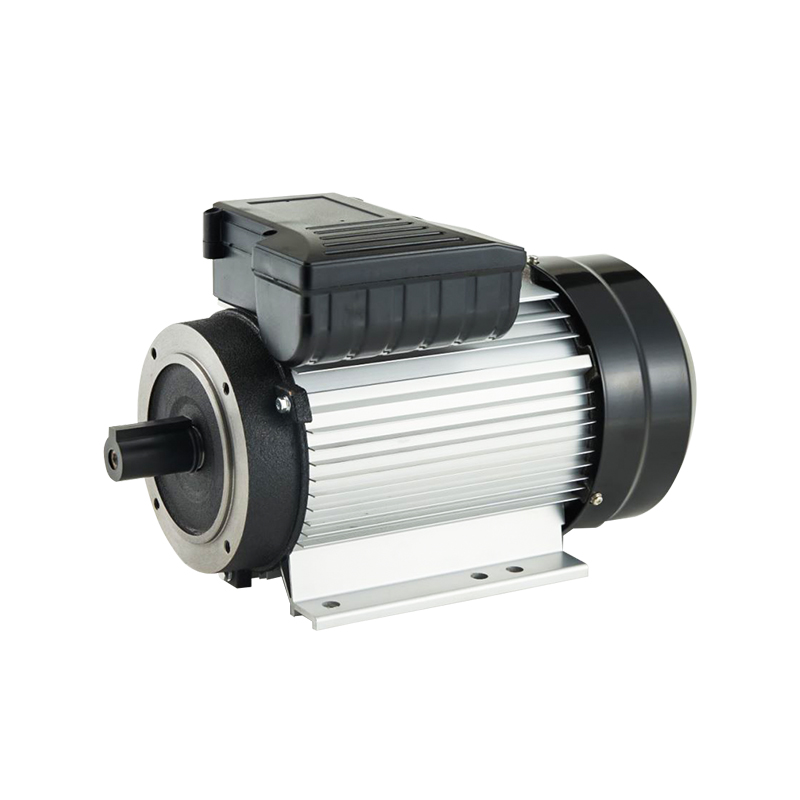
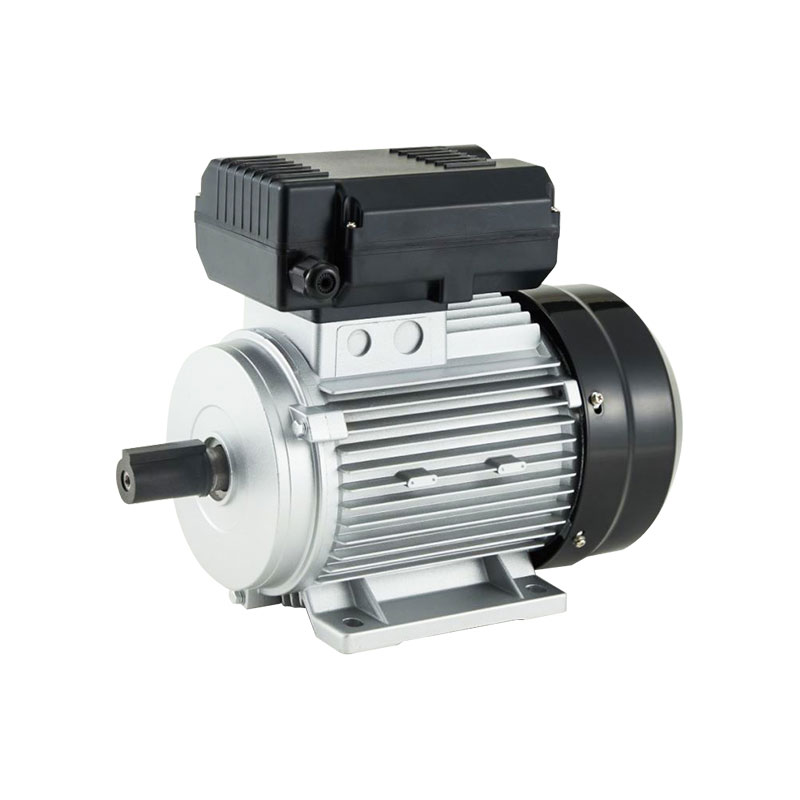
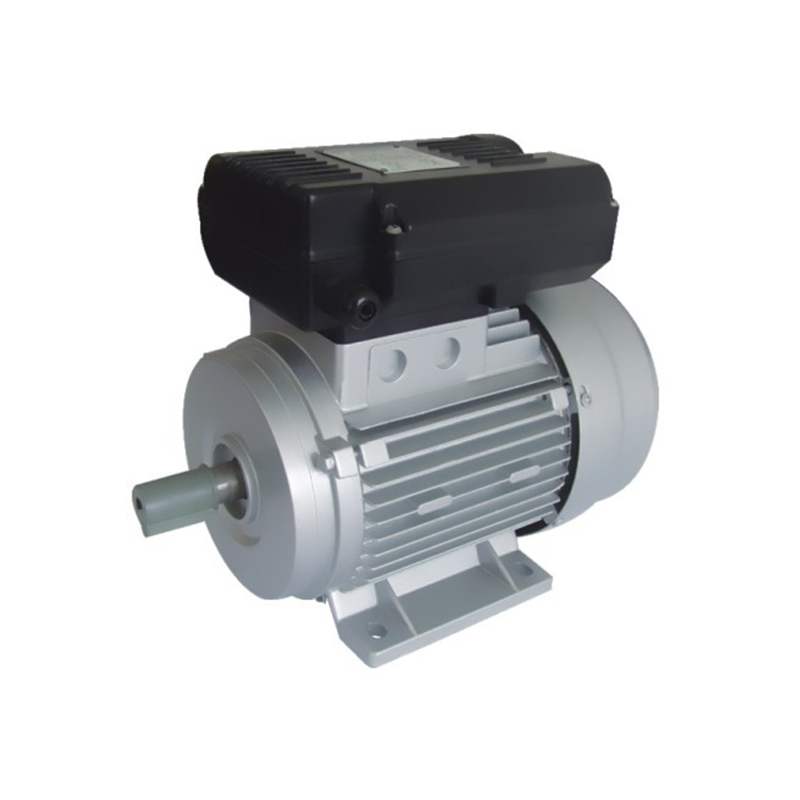
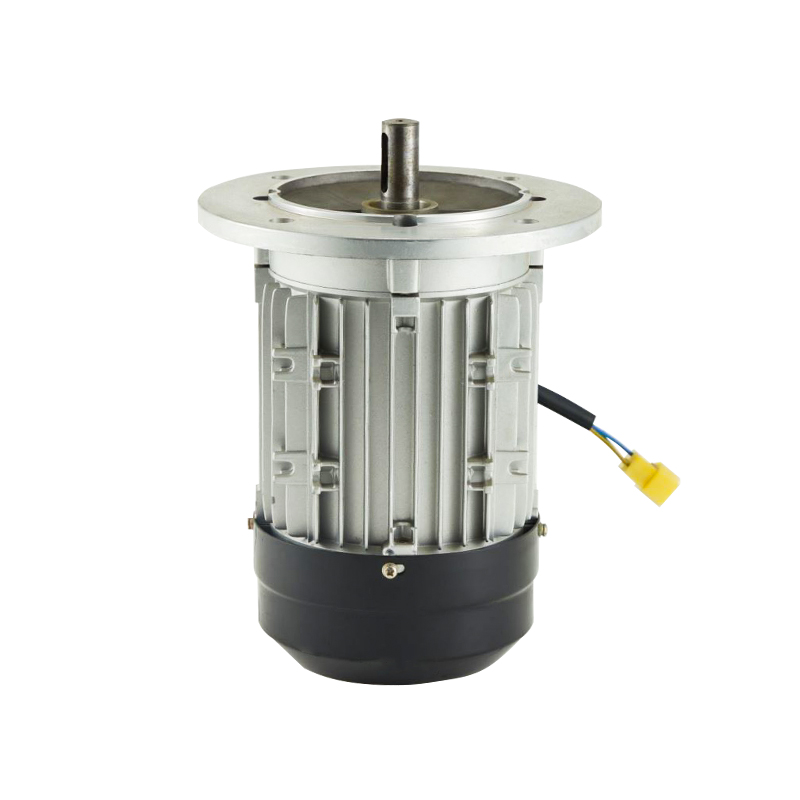
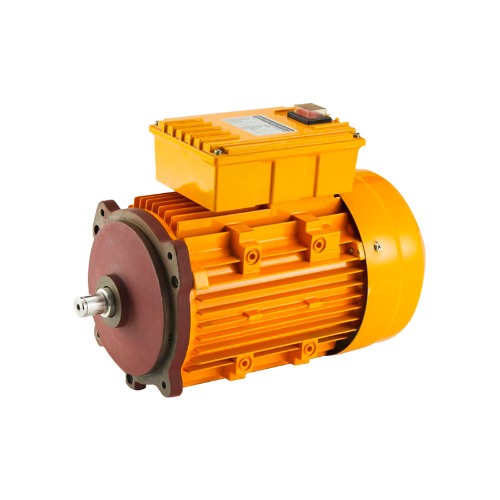
As industrial equipment manufacturers pursue more reliable operation and better energy management, motor selection has become an important part of equipment design. An AC Brushless Motor can support applications that require dependable rotation, reduced brush-related maintenance, and effective speed regulation, depending on its specific design and control system. However, performance depends on more than the motor itself. Correct sizing, suitable operating conditions, and proper drive integration are essential to achieving stable operation over the equipment’s service life.
Understanding Motor Compatibility Before Purchase
One common procurement challenge is assuming that motors with similar power ratings are interchangeable. In practice, buyers should confirm the motor’s operating principle, rated voltage, frequency, speed range, torque characteristics, and control requirements before placing an order.
The term AC brushless motor can describe different motor configurations, so engineers should verify the exact motor type rather than relying on the product name alone. Matching the motor to the intended power supply and application helps prevent installation delays, unexpected control problems, and unnecessary modification costs.
Selecting the Right Power and Torque
An undersized motor may struggle during startup or experience excessive temperature rise under sustained loads. Conversely, selecting a motor with substantially more capacity than necessary can increase initial costs and may reduce overall system efficiency when the motor operates far from its intended working range.
Our engineering approach emphasizes evaluating actual operating conditions, including startup torque, continuous load, acceleration requirements, and duty cycle. For equipment with frequent starts or changing loads, these factors are particularly important. Sharing the application details with a motor manufacturer can help narrow down suitable specifications before production begins.
Managing Heat for Consistent Operation
Excessive heat can shorten insulation life, affect component reliability, and trigger protective shutdowns. Common contributing factors include insufficient ventilation, continuous overloading, unsuitable installation environments, and incorrect drive settings.
To reduce thermal risks, equipment designers should consider the following measures:
- Provide adequate airflow around the motor and avoid obstructing cooling passages.
- Check that the selected motor is suitable for the ambient temperature and duty cycle.
- Inspect bearings and mounting alignment to identify mechanical resistance.
- Monitor operating temperature during commissioning and representative load conditions.
Cooling requirements vary with motor construction and installation, making application-specific assessment more useful than relying on general assumptions.
Improving Efficiency Through Drive Integration
Variable-speed operation can help reduce unnecessary energy consumption when the application does not require constant output. For example, adjusting motor speed to match demand in suitable fan, pump, or automation systems can avoid running equipment faster than necessary.
However, the motor and controller must be compatible. Engineers should review the drive’s voltage and current ratings, control method, speed range, and protection functions. A well-matched system can improve operating flexibility, while incorrect settings may cause vibration, unstable speed, excessive current, or overheating.
Troubleshooting Vibration and Unstable Speed
When a motor develops unusual noise, vibration, or inconsistent rotation, replacing it immediately may not solve the underlying problem. The cause could lie in the motor, controller, driven mechanism, or electrical supply.
Start by checking mounting bolts, shaft alignment, bearing condition, and mechanical load. Then inspect wiring connections, supply quality, controller alarms, and operating parameters. If the problem persists, qualified technicians should follow the manufacturer’s diagnostic procedures before changing internal components.
Evaluating Long-Term Operating Costs
Purchase price is only one part of motor ownership costs. Buyers should also consider energy consumption, maintenance access, replacement-part availability, installation requirements, and the consequences of unexpected downtime.
For OEMs and industrial procurement teams, comparing these factors across the expected operating cycle provides a clearer basis for supplier evaluation. Requesting technical documentation, dimensional drawings, test information, and customization options can also help ensure that the selected motor fits the wider equipment design.
Working With a Manufacturer on Application Requirements
Reliable motor selection begins with clear technical communication. Our manufacturing team recommends that buyers provide their intended application, power supply, load profile, required speed, installation space, and environmental conditions when requesting a quotation. These details allow specifications to be reviewed against practical operating needs rather than price alone. By addressing compatibility, thermal management, and control integration early, customers can make more informed purchasing decisions and identify an AC Brushless Motor solution suited to their equipment requirements.