
 English
 中文简体
中文简体 русский
Intelligent Motor technology is becoming more relevant as manufacturers look for practical ways to improve equipment monitoring, simplify maintenance, and manage motor-driven processes with greater control. For engineers and industrial buyers, the focus is shifting from simply selecting a motor with suitable power to understanding how the motor performs within the complete production system. Recent industrial automation discussions increasingly connect motor applications with IIoT, condition monitoring, and predictive maintenance, making Intelligent Motor solutions an important consideration for connected factories.
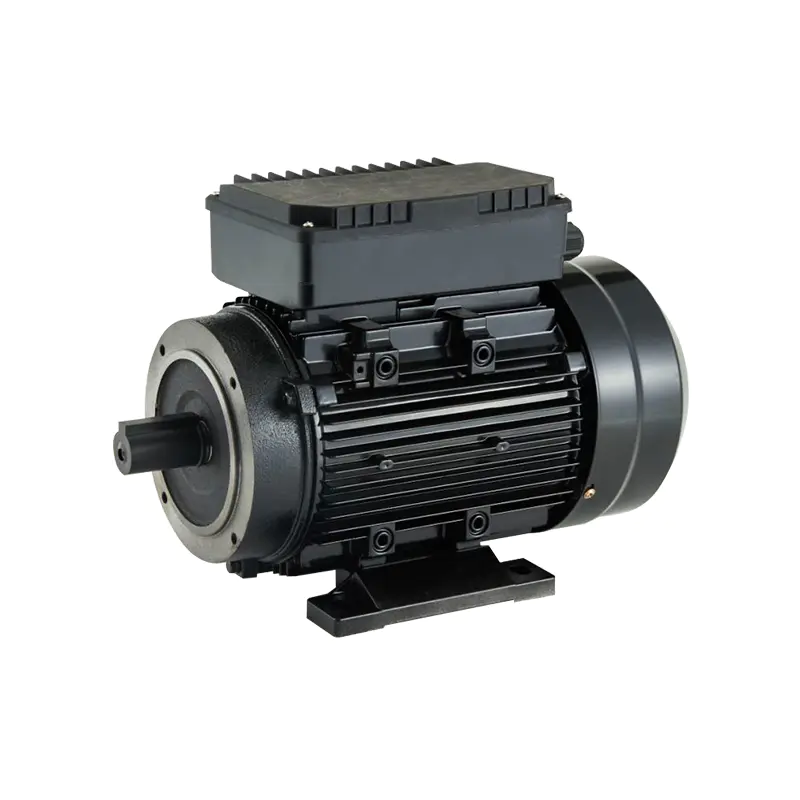
Moving Beyond Conventional Motor Operation
Traditional motor systems can work reliably, but they often provide limited information about operating conditions. When abnormal vibration, temperature changes, overload, or unusual running patterns appear, maintenance teams may only discover the problem after production performance has already been affected. An intelligent motor can work as part of a connected control architecture, helping users collect useful operating information and make maintenance decisions based on actual conditions rather than fixed assumptions.
Monitoring Matters Before Failure
For industrial users, one practical concern is identifying motor problems before they become production interruptions. Condition monitoring provides a way to observe motor behavior continuously or at planned intervals. Depending on the system design, relevant signals can include:
- Temperature and operating condition changes.
- Vibration or mechanical behavior.
- Current and load characteristics.
- Running status and historical trends.
These signals can support earlier investigation when operating conditions move away from normal patterns. Research and current industrial projects continue to explore IoT-based predictive maintenance for electric motors, reflecting growing interest in data-supported maintenance strategies.
Matching Motor Control With Production Needs
A motor should not be selected separately from the equipment it drives. Conveyors, pumps, fans, compressors, machine tools, and automated production equipment can have different load characteristics. Engineers therefore need to consider starting conditions, variable loads, control requirements, installation environment, and communication architecture together.
From a manufacturing perspective, this also means that motor selection should begin with the application rather than with a generic specification sheet. A properly matched motor and control system can make commissioning, operation, and future maintenance easier to manage.
Connecting Motors With Industrial Automation
Connectivity is another area attracting attention from factories upgrading their automation systems. An intelligent motor can become part of a broader industrial network instead of operating as an isolated component. When motor data can be integrated with controllers, monitoring platforms, or maintenance systems, engineering teams gain a clearer view of equipment behavior.
This approach is particularly useful for facilities gradually introducing IIoT. Instead of replacing an entire production system, manufacturers can evaluate where connected motor technology can solve a specific operational problem and expand the system step by step. Recent industrial AI discussions similarly emphasize practical shop-floor outcomes rather than technology deployment alone.
Designing for Easier Maintenance
Maintenance requirements should also be considered during motor selection. Easy access, clear operating information, suitable protection, and compatibility with existing control systems can influence the long-term workload of maintenance teams.
For OEMs and equipment integrators, this becomes even more important because the motor is part of a larger machine package. A well-integrated solution can help simplify commissioning and provide users with more useful information during routine service.
What Industrial Buyers Should Check
Before selecting an intelligent motor for an overseas production project, buyers can review several practical points:
- Compatibility with existing control equipment.
- Available communication and monitoring functions.
- Motor performance under actual load conditions.
- Environmental and installation requirements.
- Maintenance access and service requirements.
- OEM or customized integration possibilities.
This application-focused approach helps buyers avoid choosing a motor based only on basic electrical parameters.
Building More Connected Motor Systems
As manufacturers continue adopting connected automation, the value of an Intelligent Motor increasingly comes from how effectively it fits into the complete machine and maintenance workflow. For motor manufacturers, the focus is not simply on adding digital functions, but on developing reliable products that engineers can integrate into real industrial applications, monitor during operation, and maintain with confidence.
That practical balance between motor performance, control, connectivity, and serviceability is becoming an important part of modern industrial equipment design. With suitable application planning and system integration, Intelligent Motor solutions can support more connected and manageable industrial operations.