
 English
 中文简体
 русский
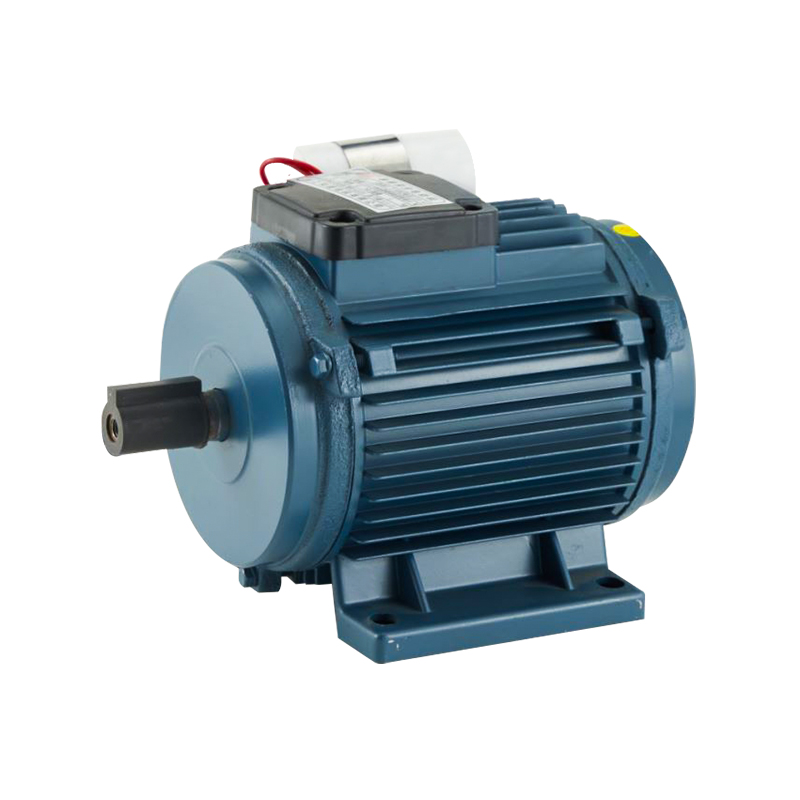
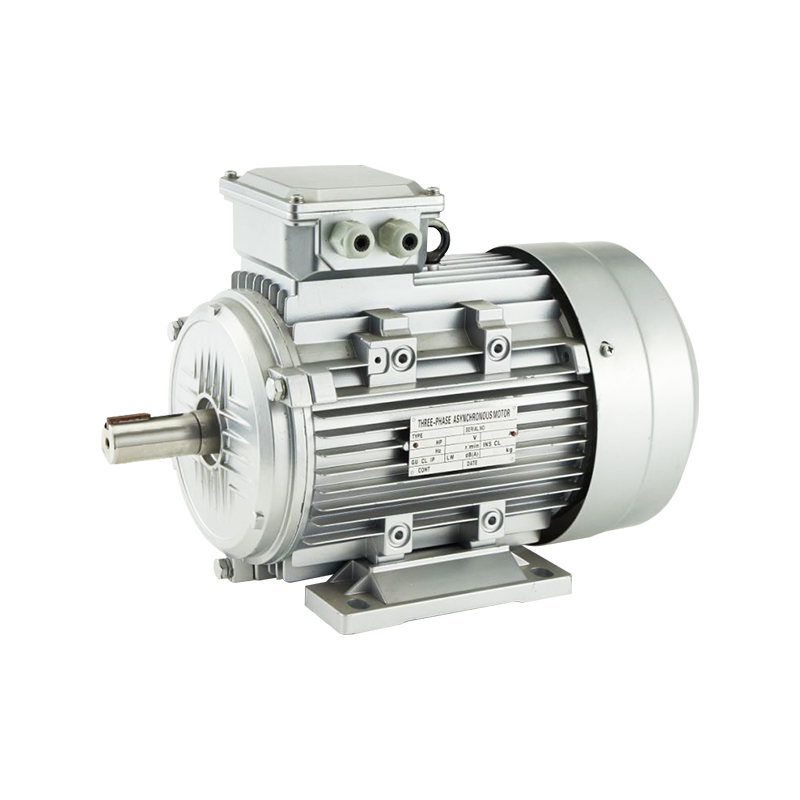
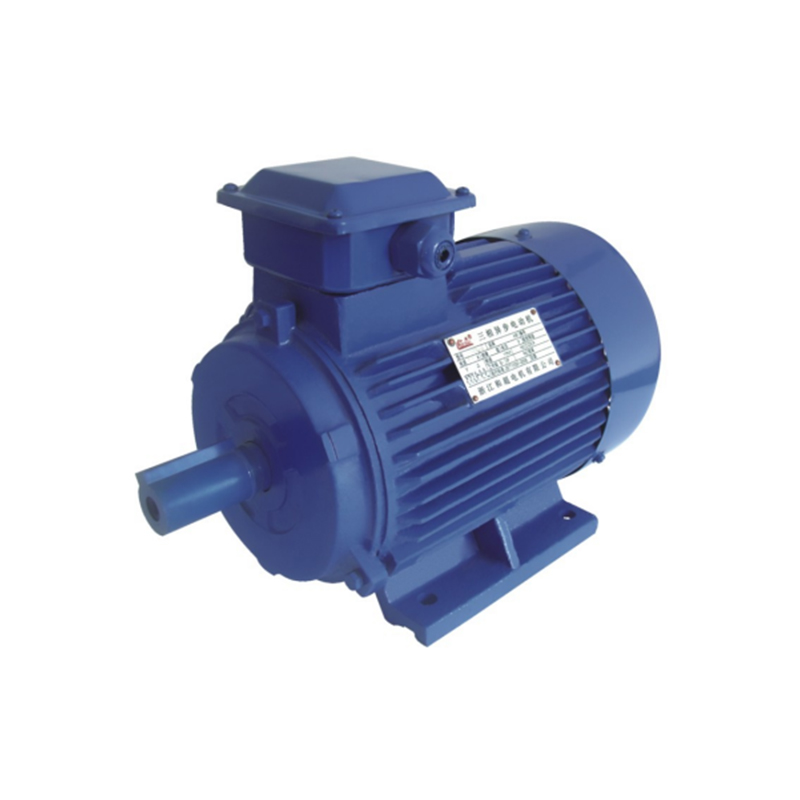
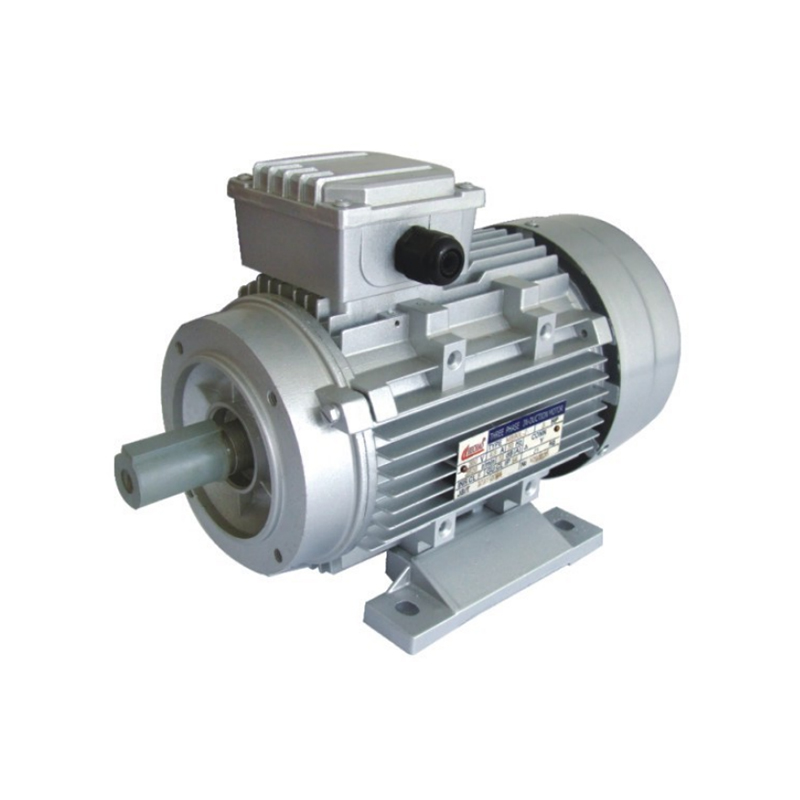
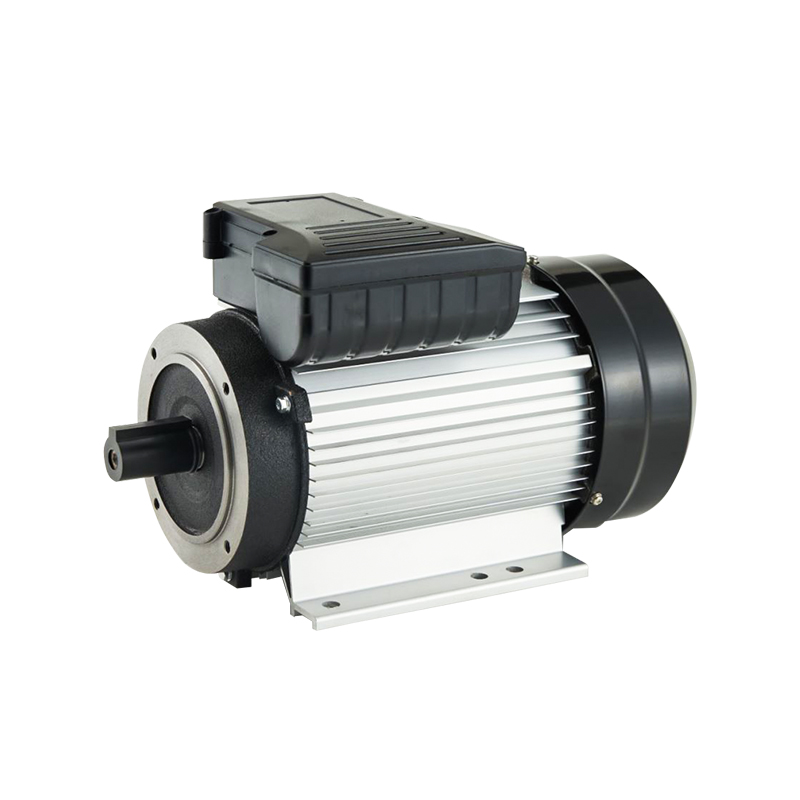
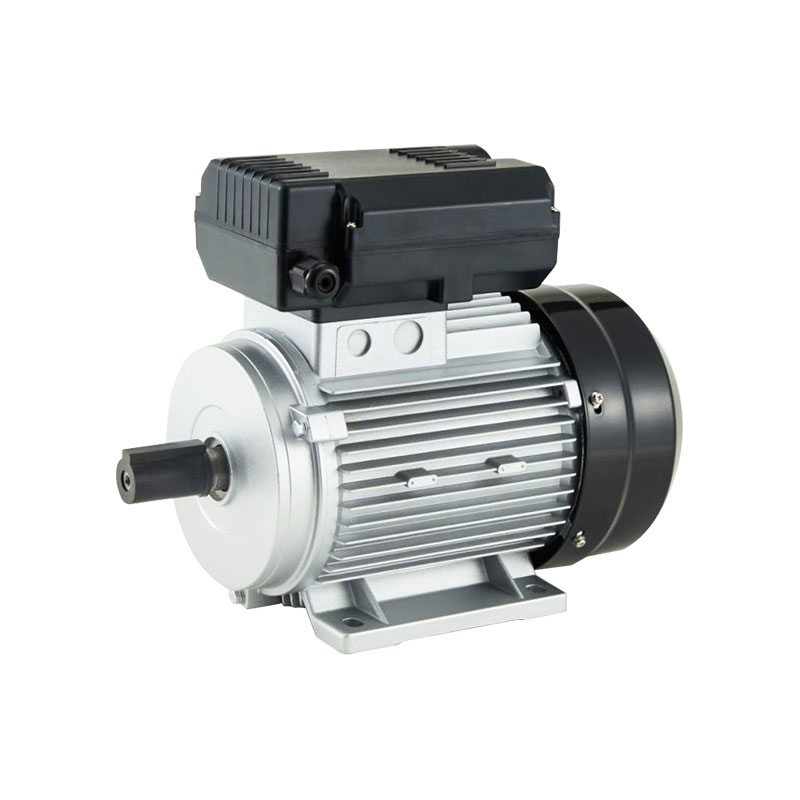
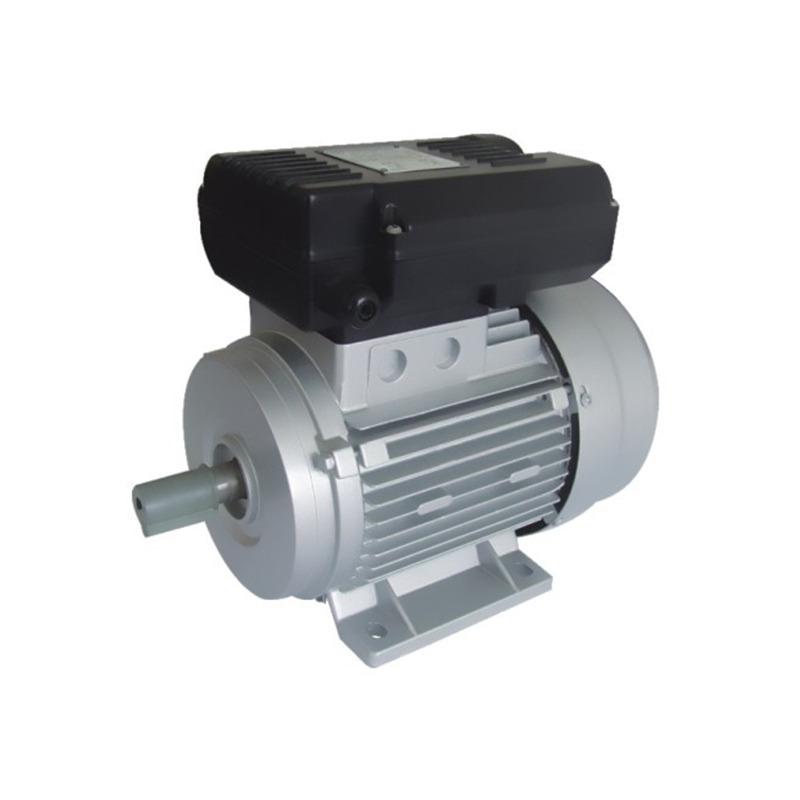
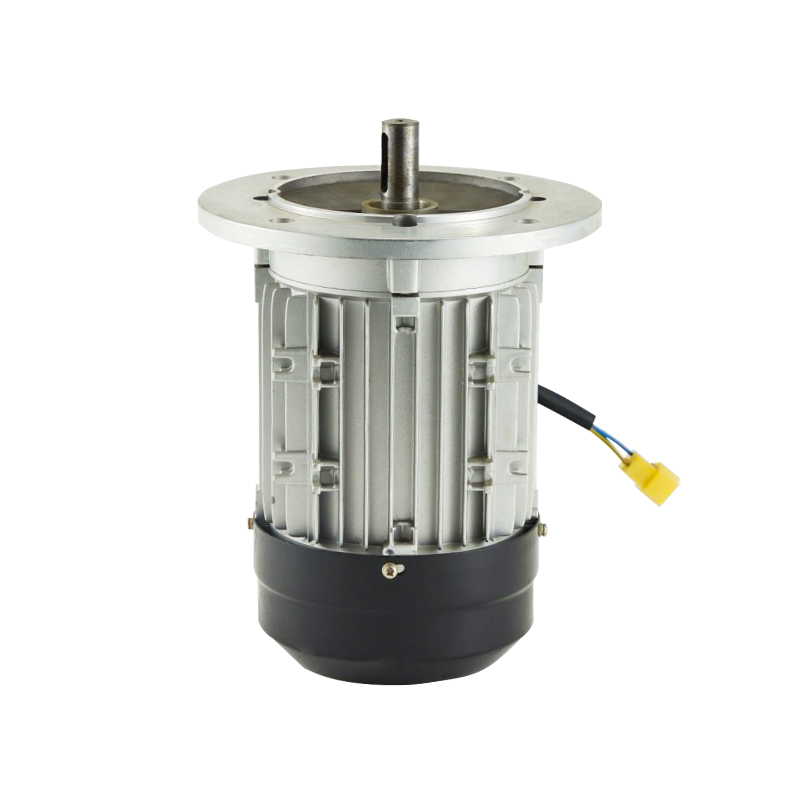
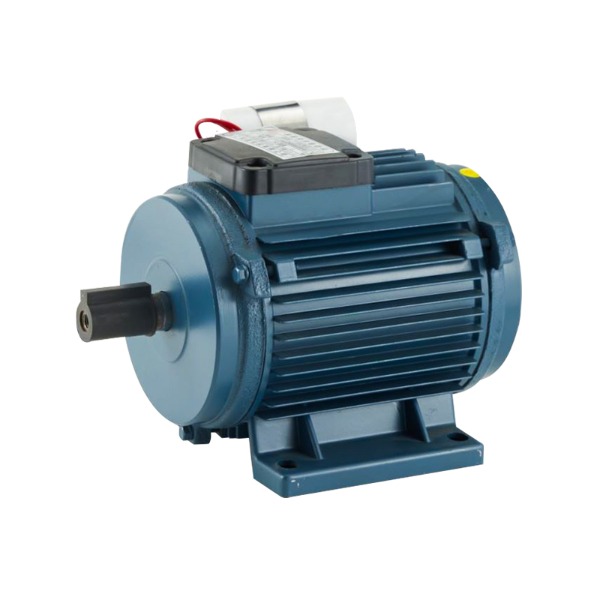
When selecting components for a new compressor or replacing an existing motor, compatibility is an important factor that should not be overlooked. Even when two motors have similar power ratings, differences in speed, shaft dimensions, mounting structures, and starting characteristics can affect installation and operation. For compressor manufacturers, distributors, and industrial equipment buyers, choosing the right Air Compressor Motor helps reduce installation difficulties and supports stable equipment performance.
Motor Speed Must Match the Compressor Design
Motor speed directly affects how power is transferred to the compressor. Different compressor structures may require different speed configurations, depending on their transmission systems and operating requirements.
Before purchasing an industrial air compressor motor, buyers should check whether the rated speed matches the original equipment design. For belt-driven compressors, pulley ratios also need to be considered. An unsuitable speed combination may affect airflow, mechanical loading, and operating temperature.
Providing the compressor model and transmission details to the motor manufacturer can make specification confirmation easier.
Mounting Dimensions Affect Installation Efficiency
Motor replacement is not always a simple matter of disconnecting the old unit and installing a new one. Differences in mounting holes, frame sizes, shaft diameters, and shaft lengths can create additional installation work.
Important dimensions to confirm include:
- Frame size and mounting arrangement.
- Shaft diameter and extension length.
- Bolt-hole positions.
- Terminal box location.
- Overall motor dimensions.
For distributors handling multiple compressor models, maintaining accurate motor dimension records can simplify future sourcing and reduce compatibility problems.
Starting Torque Is Important for Compressor Operation
During startup, a compressor motor needs sufficient torque to overcome mechanical resistance. The required starting performance depends on the compressor structure, pressure conditions, and unloading arrangements.
For example, a compressor that starts under pressure may place different demands on its motor compared with one that uses an unloading valve. Buyers should therefore evaluate starting torque alongside rated power rather than relying on horsepower or kilowatt ratings alone.
This information is particularly useful when selecting an air compressor replacement motor for older equipment.
Electrical Specifications Should Not Be Overlooked
Voltage and frequency compatibility are essential when supplying compressors to different overseas markets. Industrial power systems vary between regions, so a motor designed for one electrical environment may not be suitable for another without appropriate configuration.
Before ordering, confirm:
- Rated voltage and frequency.
- Rated current and connection method.
- Phase configuration.
- Insulation class.
- Protection rating.
For international distributors and OEM buyers, confirming these details before mass production can help prevent delays caused by incorrect specifications.
Environmental Conditions Influence Motor Selection
Compressor motors may be installed in workshops, equipment rooms, outdoor enclosures, or production facilities with dust and humidity. These conditions influence the protection requirements and cooling arrangements.
A totally enclosed fan-cooled (TEFC) motor may be suitable for many industrial applications, depending on the actual environment. However, buyers should still check the required IP protection rating, ventilation conditions, and ambient temperature limits.
Selecting the motor according to its working environment helps support consistent operation and maintenance planning.
Why OEM Buyers Should Work With Manufacturers Early
For compressor brands and equipment assemblers, motor selection should be included in the product development process rather than treated as a final purchasing step.
Working directly with an air compressor motor manufacturer allows buyers to discuss power ratings, mounting structures, shaft requirements, electrical configurations, and customization needs before production begins.
This approach can help with:
- Developing motors for different compressor models.
- Coordinating mechanical and electrical specifications.
- Planning bulk orders and replacement supply.
- Reducing repeated design adjustments.
Clear technical communication also makes it easier to evaluate samples before confirming larger orders.
Making Motor Selection More Practical
A suitable motor needs to work with the compressor's mechanical structure, electrical supply, and operating environment. For equipment manufacturers, wholesalers, and industrial buyers, checking these details before ordering can reduce compatibility issues and unnecessary modification costs. Choosing the right Air Compressor Motor is therefore an important step in developing dependable compressed air equipment and maintaining a stable supply of replacement components.