
 English
 中文简体
 русский
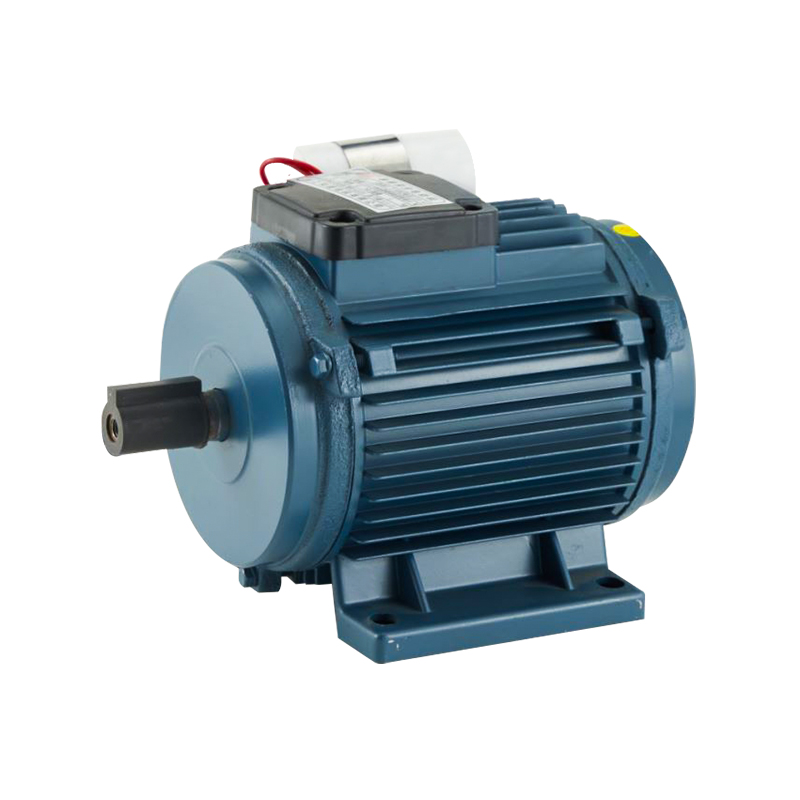
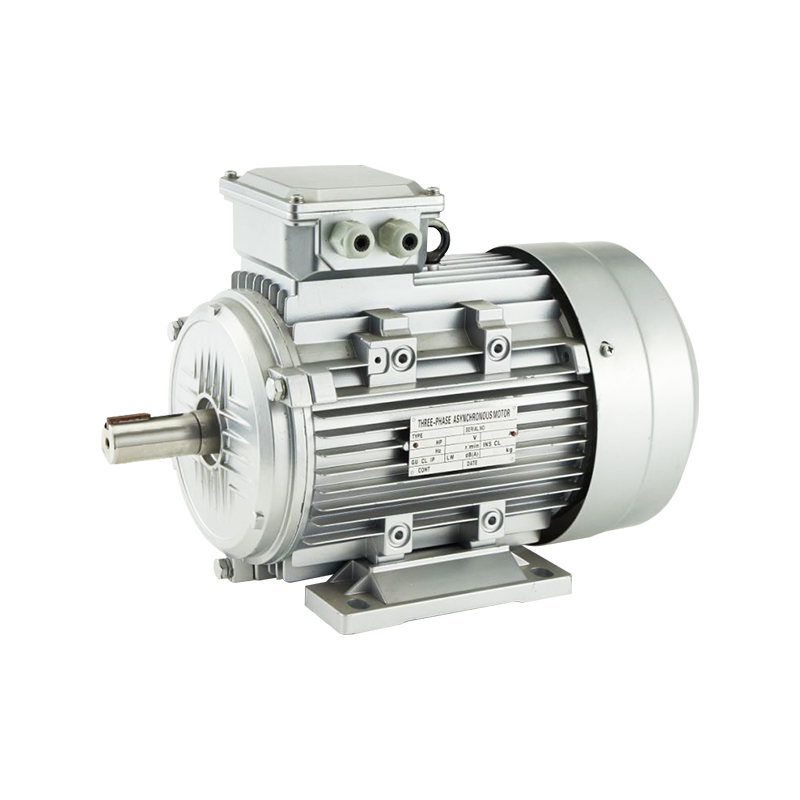
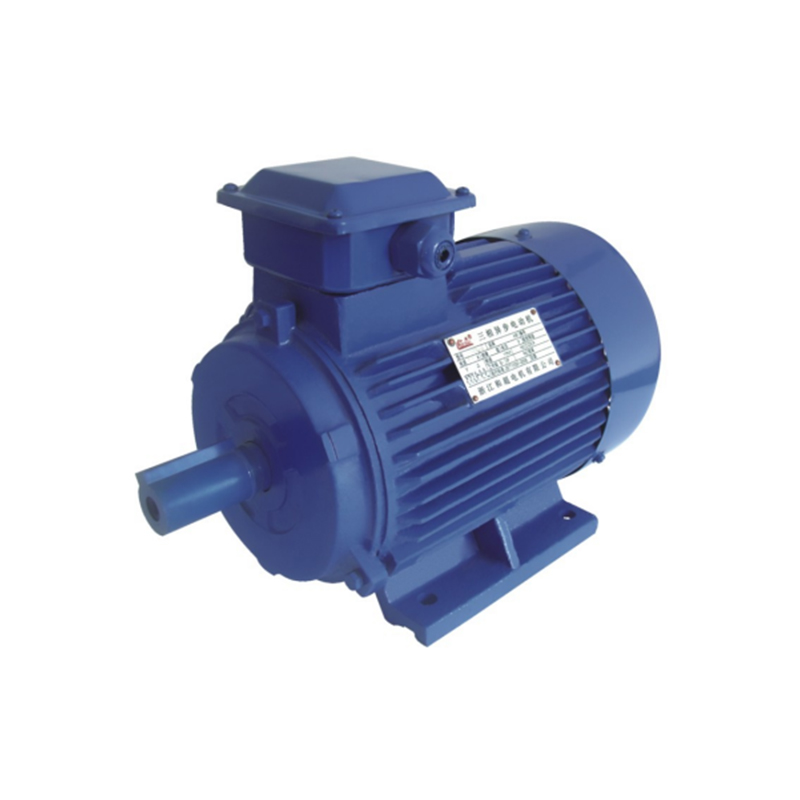
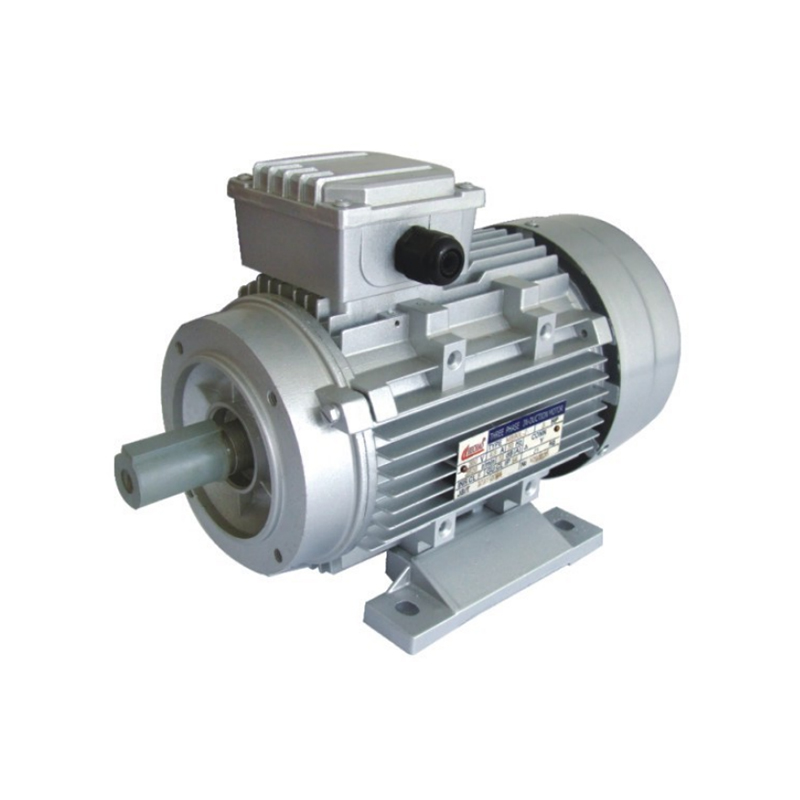
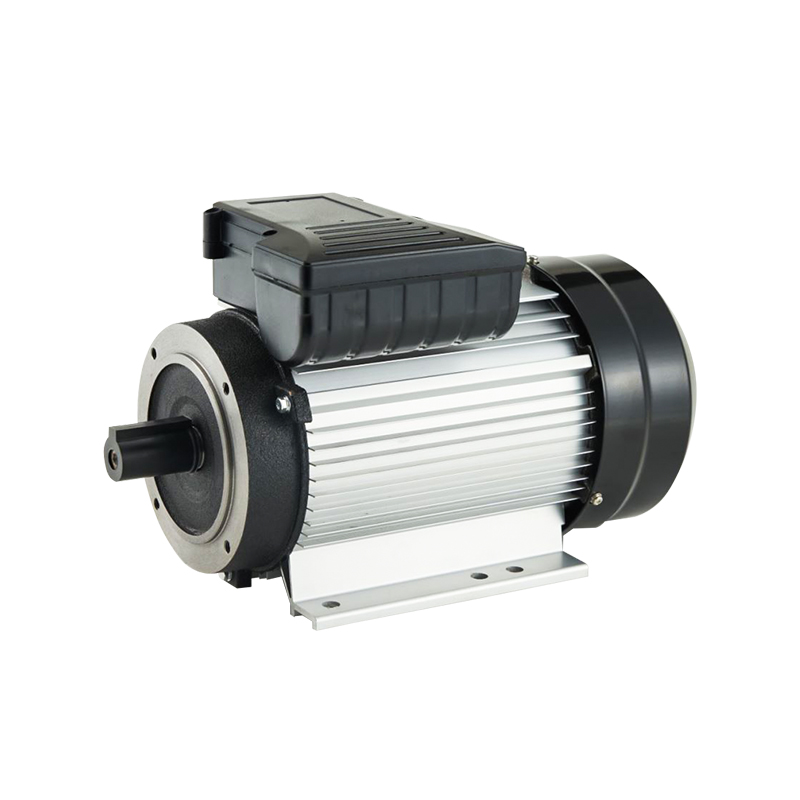
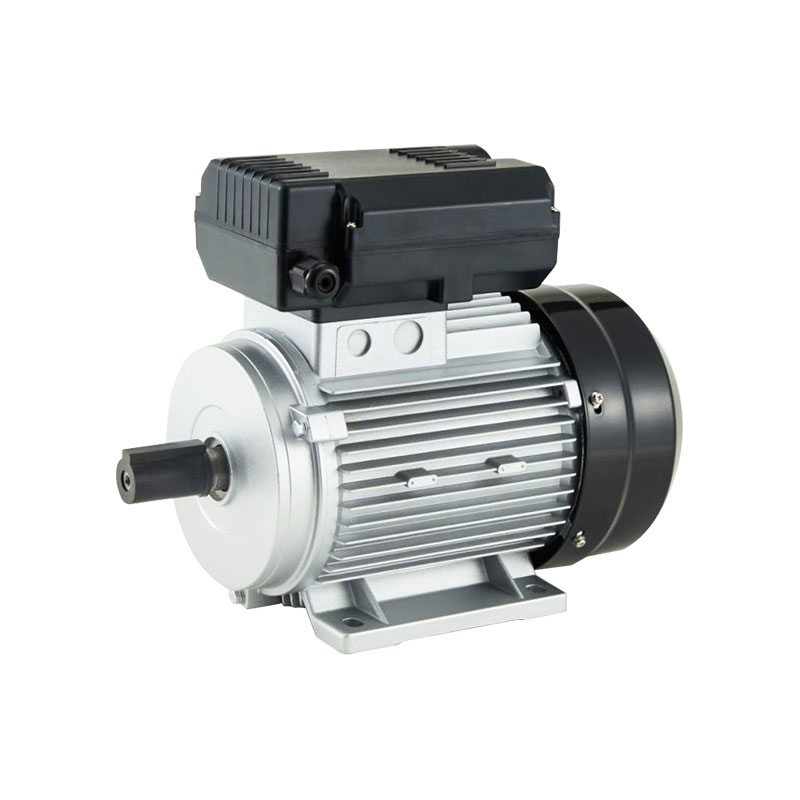
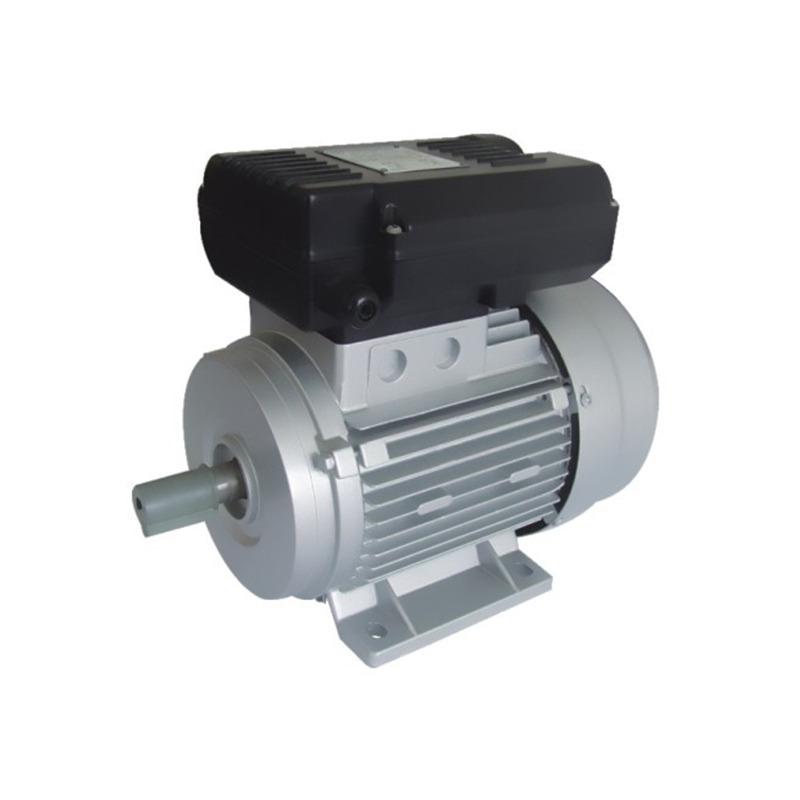
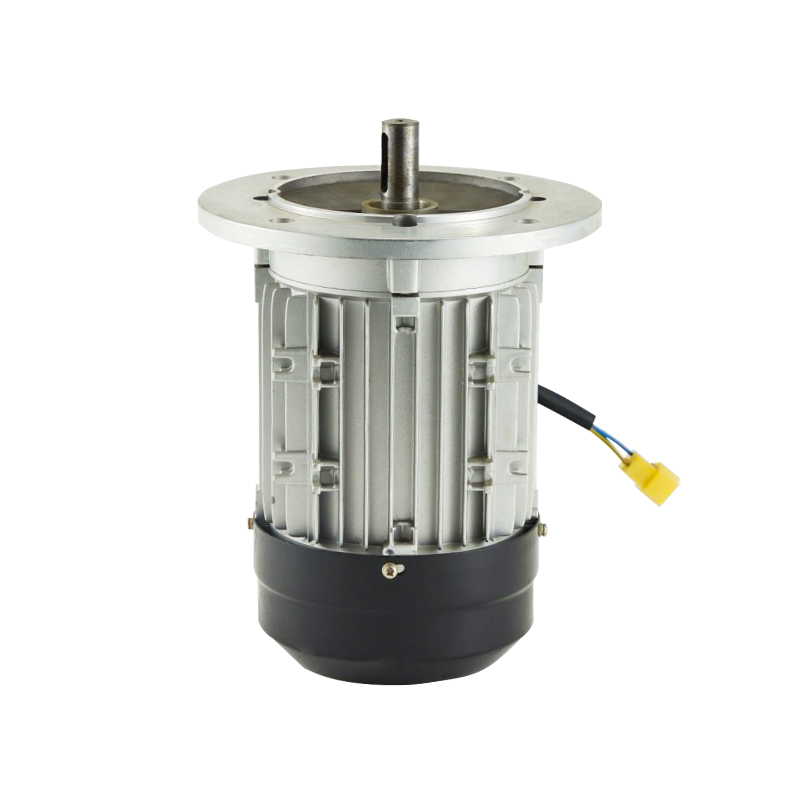
Unexpected compressor shutdowns can interrupt production schedules, delay orders, and increase maintenance expenses. In manufacturing plants, workshops, and industrial processing facilities, motors often operate under demanding conditions, including frequent starts, changing loads, and extended running hours. The Air Compressor Motor is a key component in maintaining stable compressed air output. For equipment manufacturers and industrial buyers, understanding common motor problems and suitable protection measures can help improve equipment reliability and reduce unplanned downtime.
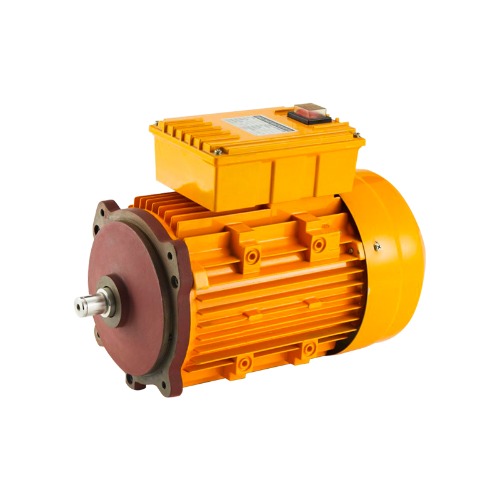
Common Causes of Air Compressor Motor Problems
Motor failures are not always caused by electrical defects. Installation conditions, operating habits, and mechanical wear can also affect performance.
Common issues include:
- Overheating: Poor ventilation, excessive loads, or frequent operation under unsuitable conditions can raise motor temperature.
- Voltage fluctuations: Unstable power supply may affect starting performance and electrical components.
- Bearing wear: Insufficient lubrication or prolonged operation can increase friction and vibration.
- Frequent starting: Repeated starts may create additional thermal and electrical stress.
Identifying these problems early helps maintenance teams avoid unnecessary equipment interruptions.
Why Overload Protection Matters
An air compressor motor must handle the load required to drive the compressor. When the operating load exceeds the motor's rated capacity, excessive current and heat may develop.
Motor protection devices, such as overload relays and appropriate circuit breakers, help protect electrical systems against abnormal operating conditions. Their selection should consider motor rated current, starting characteristics, and the compressor's control configuration.
For manufacturers, matching protection components with the motor specifications is an important part of equipment design.
Proper Cooling Helps Maintain Stable Operation
Cooling conditions directly influence motor temperature during continuous operation. Dust-covered ventilation openings, damaged cooling fans, and restricted airflow can make heat dissipation less effective.
Buyers should consider the motor's cooling method and enclosure structure according to the installation environment. For compressors operating in dusty workshops, suitable protection and regular cleaning are particularly important.
A well-planned installation also needs sufficient space around the motor to support airflow and routine inspection.
Selecting a Motor for Frequent Start-Stop Applications
Some compressors operate according to changing air demand rather than running continuously. In these applications, frequent starting and stopping can place additional demands on the motor.
Before purchasing an Air Compressor Motor, buyers should confirm its starting torque, duty requirements, and compatibility with the compressor's control system. Where automatic pressure control is used, the motor and electrical protection system should be designed to work together.
This is particularly relevant for small industrial facilities and workshops where compressed air consumption changes throughout the working day.
Maintenance Checks That Reduce Operating Risks
Regular inspection does not need to involve complicated procedures. A practical maintenance schedule can help operators recognize early signs of motor deterioration.
Key checks include:
- Listening for unusual noise during operation.
- Monitoring temperature and operating current.
- Inspecting terminal connections and cable condition.
- Checking bearing lubrication and vibration.
- Cleaning cooling passages and external surfaces.
Maintenance intervals should follow the motor manufacturer's recommendations and actual operating conditions.
What Buyers Should Check When Sourcing Replacement Motors
For compressor manufacturers, distributors, and maintenance contractors, replacement compatibility is an important purchasing consideration. A motor with the wrong mounting dimensions, shaft configuration, or electrical specifications may require additional modifications.
Before requesting a quotation, prepare the following information:
- Rated power, voltage, frequency, and speed.
- Mounting type and shaft dimensions.
- Protection rating and insulation class.
- Compressor model and expected operating conditions.
- Required quantity and OEM customization needs.
Sharing these details helps manufacturers evaluate the application and recommend an appropriate configuration.
Supporting Reliable Compressor Operation
Motor protection and preventive maintenance are closely connected to the long-term performance of compressed air equipment. Choosing a suitable Air Compressor Motor involves more than checking rated power; buyers should also consider starting frequency, cooling conditions, electrical protection, and installation requirements. As a manufacturer, we focus on matching motor specifications with practical compressor applications, helping equipment producers and industrial buyers develop reliable solutions for different operating environments.