
 English
 中文简体
中文简体 русский
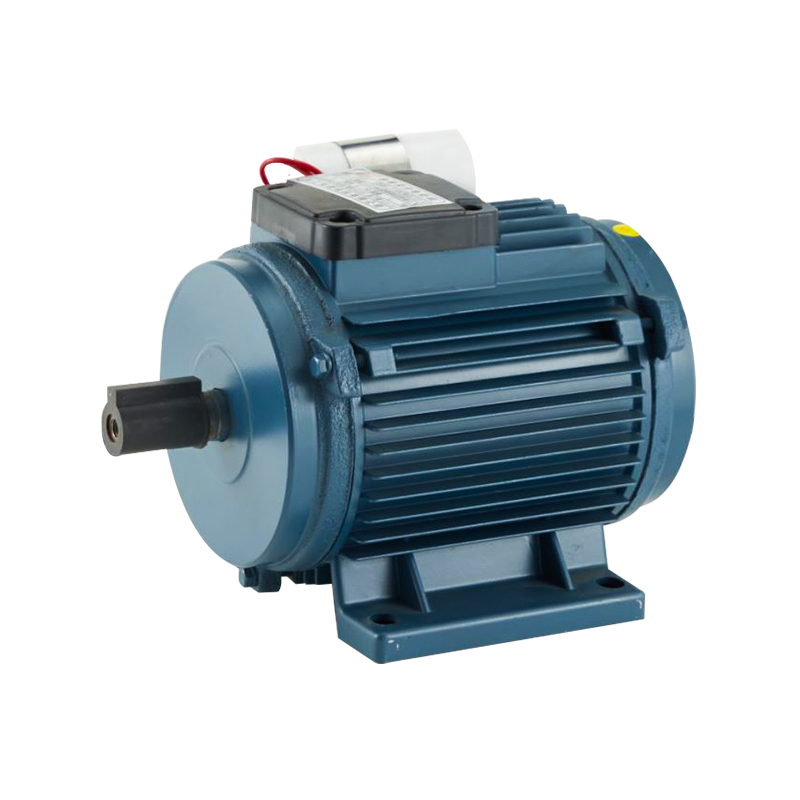
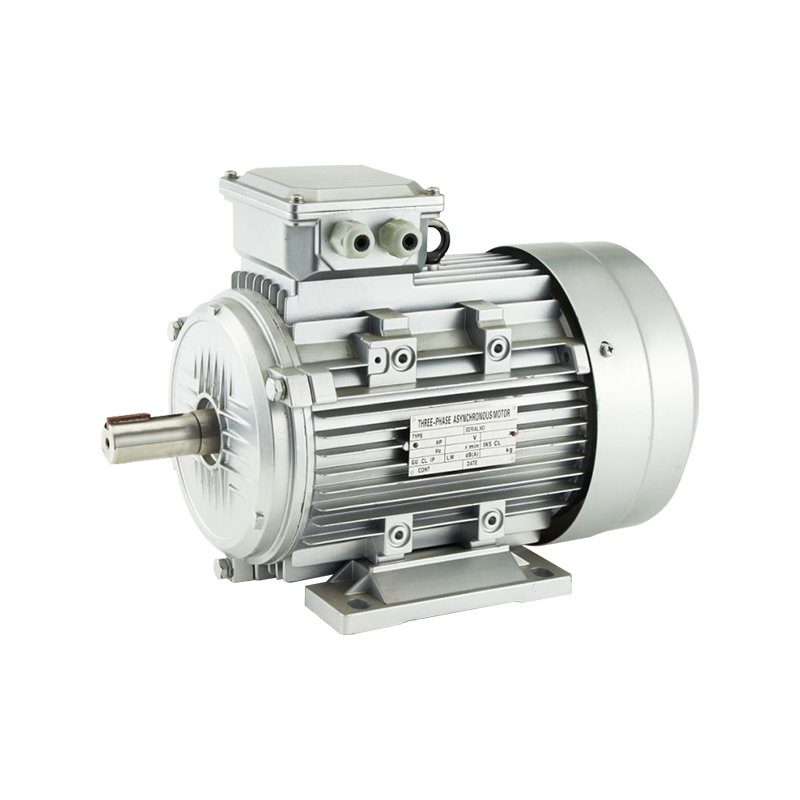
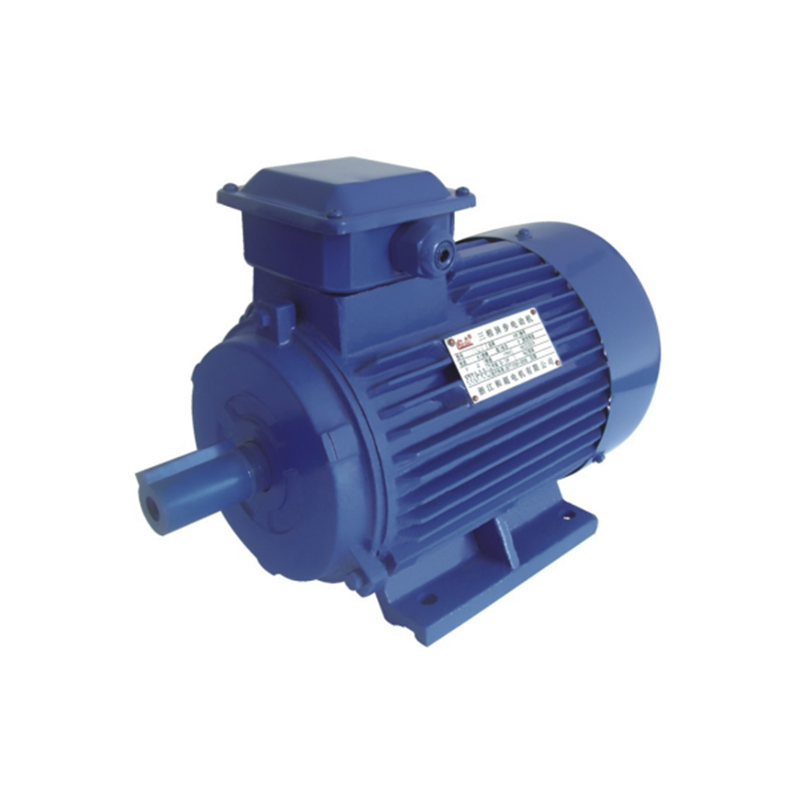
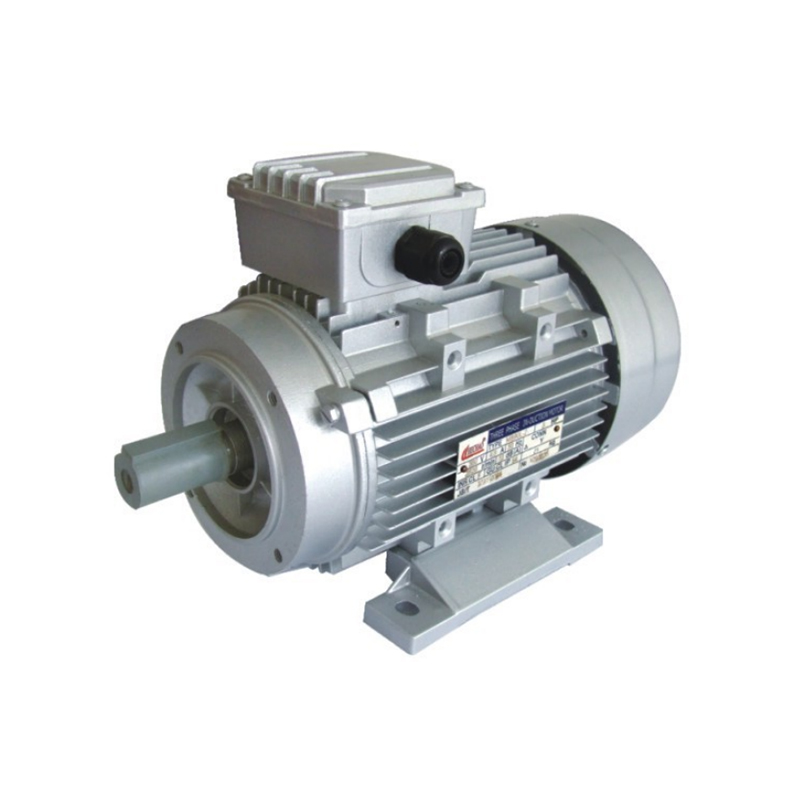
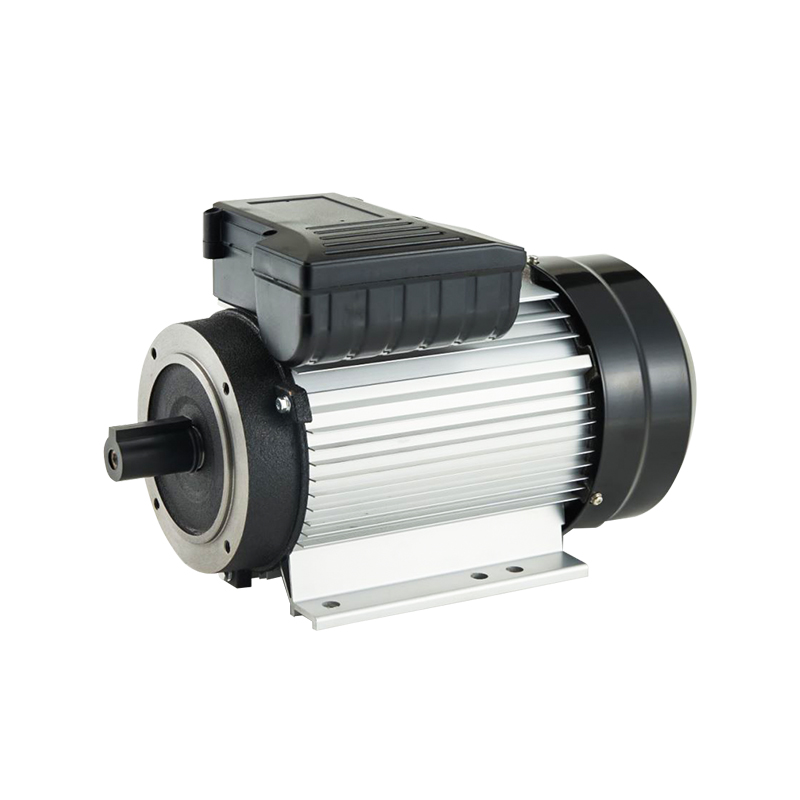
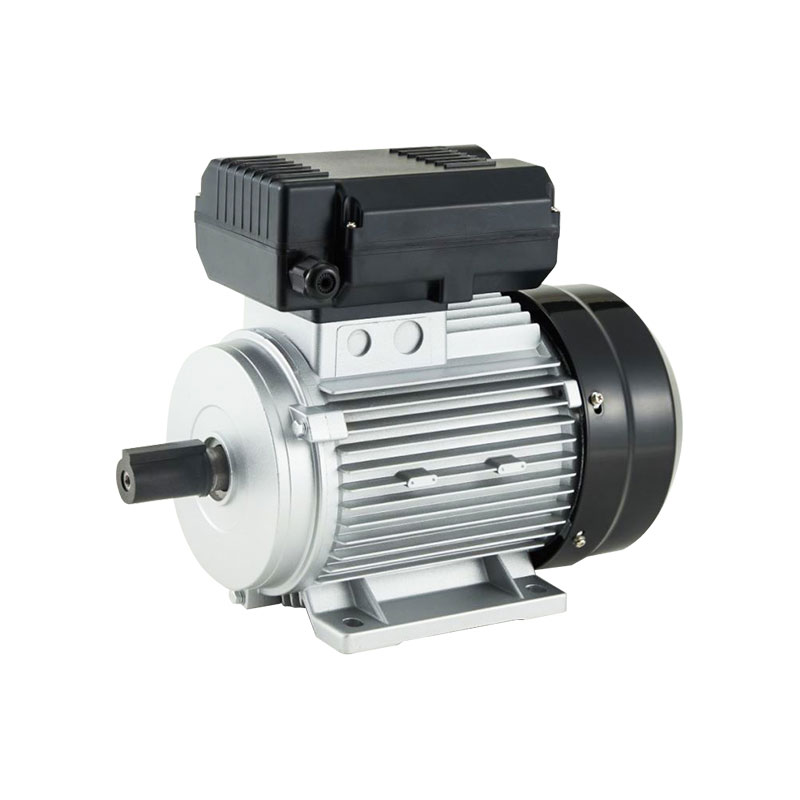
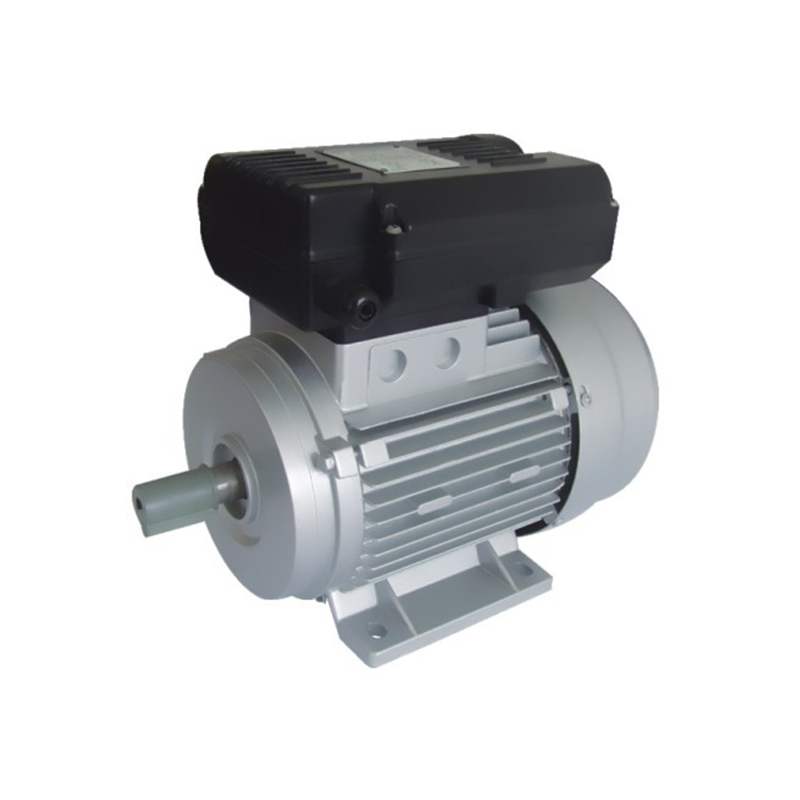
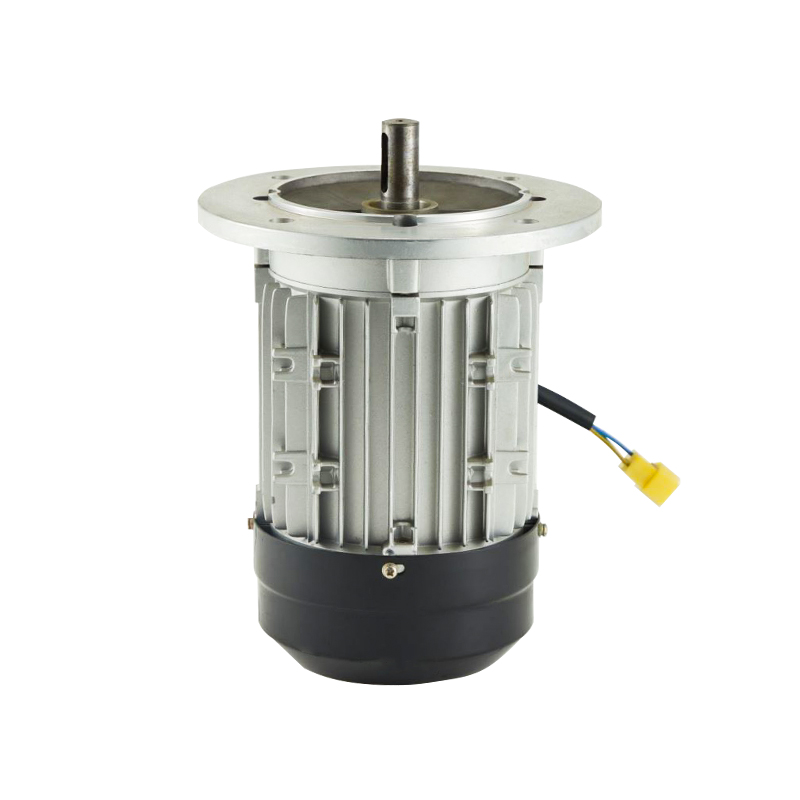
When selecting motors for industrial machinery, understanding the performance differences between various types is essential. Both the asynchronous three phase motor and the permanent synchronous motor are widely used, but the latter offers distinct advantages in efficiency and precision control. Zhejiang Hechao Motor Co., Ltd., a professional electric motor manufacturer in China, produces a full range of both motor types to meet diverse industrial requirements.
1. Performance in Variable Loads
One of the main differences lies in how the motors respond to load changes:
Asynchronous Three Phase Motor: This motor is reliable under steady loads but can lose efficiency when the load fluctuates. For example, in air compressors or ventilation fans where airflow varies, the energy loss may be noticeable over time.
Permanent Synchronous Motor: PMSMs maintain their speed precisely even when the load changes. This is especially valuable in applications like sprayers or automated conveyors, where consistent motion is crucial. The permanent magnets in the rotor help maintain a constant torque without the energy losses associated with slip.
2. Energy Efficiency and Operating Costs
Energy efficiency is a key factor in industrial decision-making:
Asynchronous Motors: These motors have a lower initial cost but may consume more electricity under light or variable loads. Slip in the rotor leads to additional energy dissipation.
Permanent Synchronous Motors: Thanks to their design, PMSMs reduce energy loss and can operate with a higher power factor. Over long periods, this results in lower energy bills and reduced demand charges from utilities.
3. Precision and Control
Asynchronous Motors: While suitable for many standard applications, they are less adaptable for processes requiring precise speed control. Adjusting speed often requires a variable frequency drive, which adds complexity.
Permanent Synchronous Motors: PMSMs excel in precision applications. They can work seamlessly with control systems to achieve exact rotational speeds, making them suitable for CNC machines, dosing systems, and other equipment that relies on consistent motion.
4. Maintenance and Reliability
Asynchronous Motors: Simple construction means fewer components to fail. Routine inspections and lubrication are typically sufficient for long-term operation.
Permanent Synchronous Motors: Although they require careful handling to prevent rotor magnet degradation, their mechanical simplicity reduces wear and tear. With proper maintenance, they offer long-lasting performance and stable operation, which can outweigh the slightly higher maintenance demands.
5. Real-World Applications
Industrial Fans and Water Pumps: Asynchronous three phase motors remain a cost-effective choice.
Automation and Robotics: Permanent synchronous motors provide smoother and more accurate performance.
Energy-Conscious Production Lines: Facilities seeking long-term savings often prefer PMSMs for their consistent efficiency.
6. Startup Performance and Industrial Benefits
When starting heavy machinery, the behavior of the motor can significantly impact operational stability. An asynchronous three phase motor typically draws a high inrush current during startup, which may require larger circuit protection and careful planning for electrical distribution. In contrast, a permanent synchronous motor can achieve smoother acceleration with less energy loss, especially when paired with appropriate control systems. This smoother startup reduces mechanical stress on connected equipment such as compressors, fans, or conveyors, enhancing longevity and lowering maintenance costs.
Choosing between an asynchronous three phase motor and a permanent synchronous motor depends on load characteristics, precision requirements, and long-term operating costs. Zhejiang Hechao Motor Co., Ltd. provides both motor types, helping industries optimize their processes. By carefully evaluating the operational needs, engineers can ensure both reliable performance and energy efficiency.