
 English
 中文简体
中文简体 русский
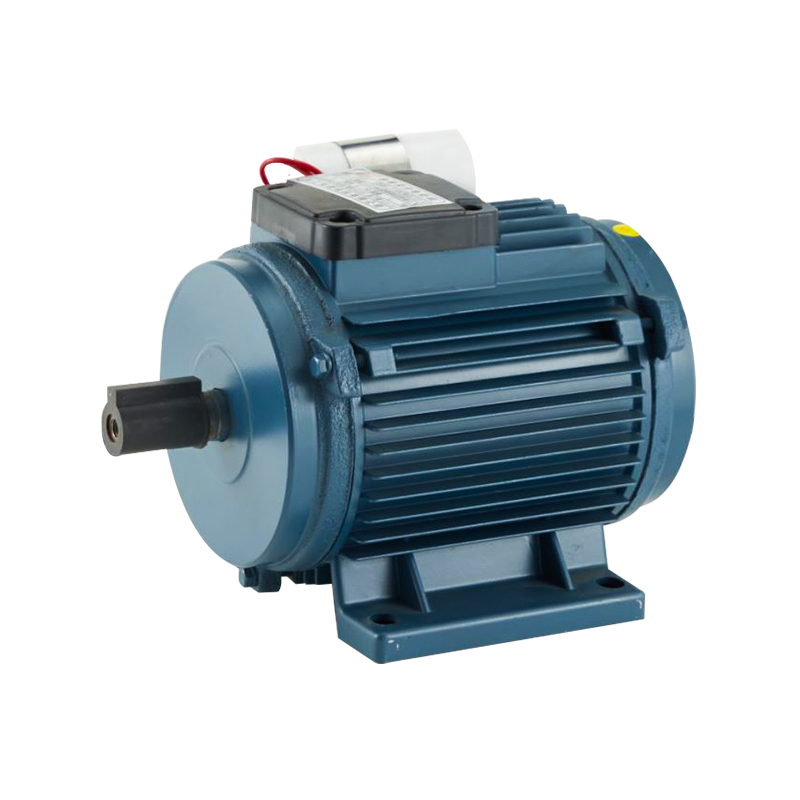
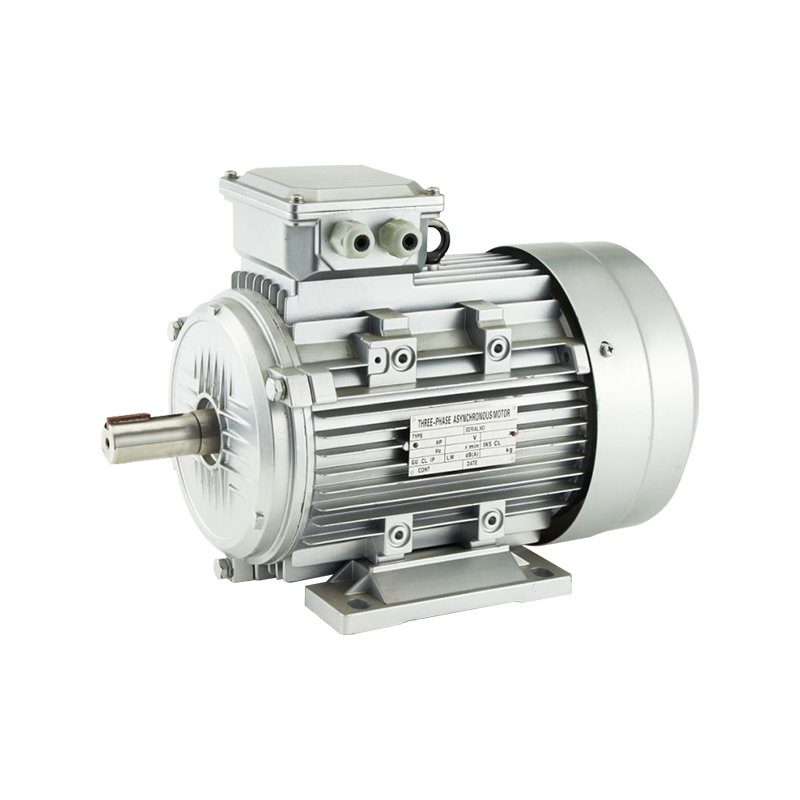
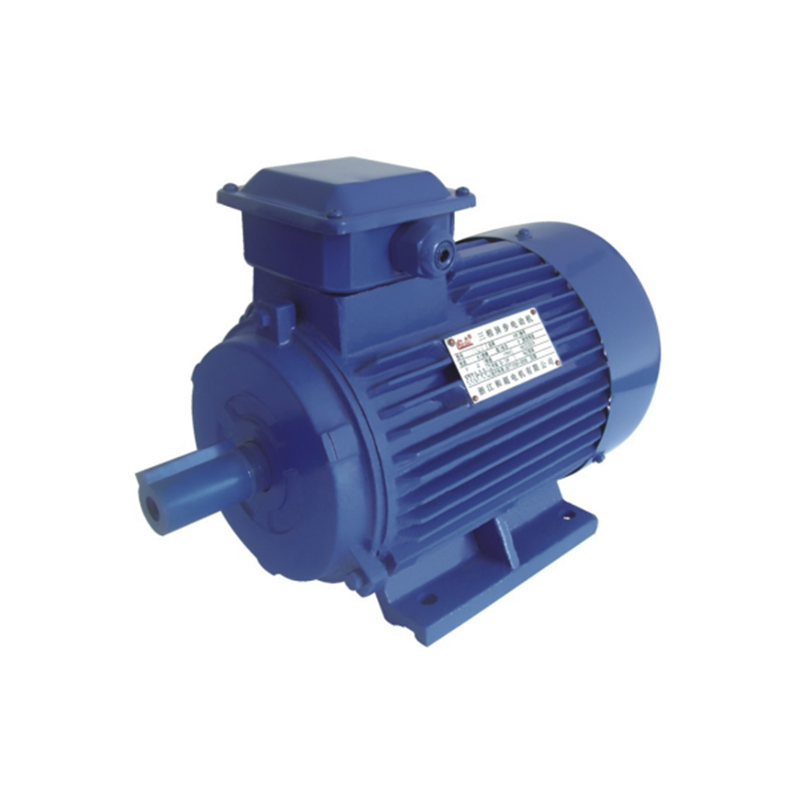
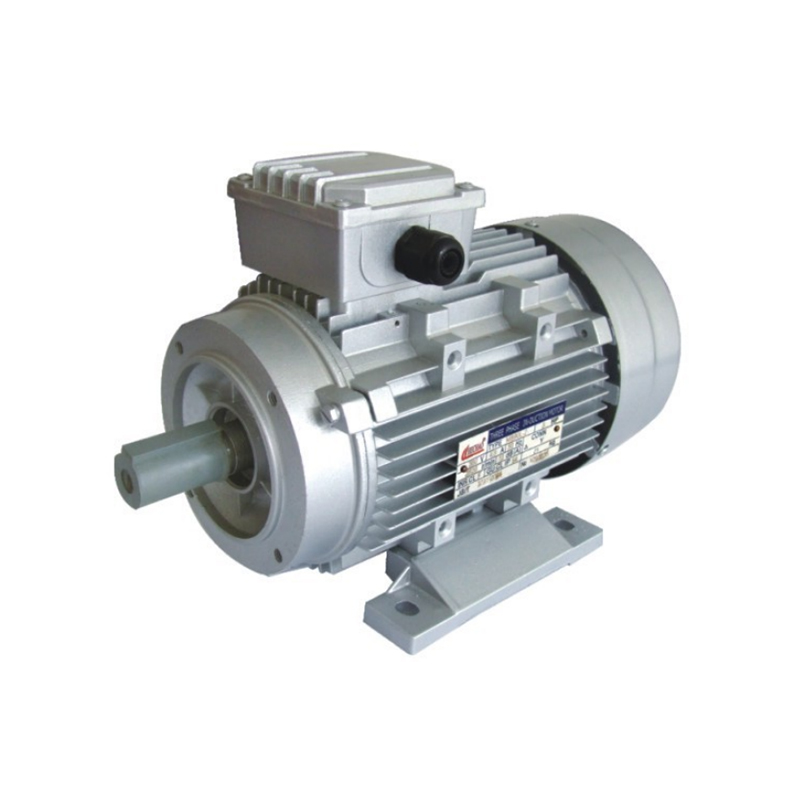
Understanding the startup behavior of industrial motors is critical for ensuring reliable operation and electrical system safety. The asynchronous three phase motor is widely used in applications like pumps, compressors, fans, and conveyors due to its durability and relatively simple construction. However, its startup current characteristics are unique and must be properly managed to prevent electrical disturbances and mechanical stress. At the same time, engineers often compare it with the permanent synchronous motor, which exhibits different startup dynamics and efficiency profiles.
1. What is Startup Current?
Startup current, also called inrush current, is the initial surge of electrical current drawn by a motor when it begins operation. For an asynchronous three phase motor:
Magnitude: The inrush current can be 5 to 8 times the rated full-load current.
Duration: It typically lasts for a few seconds until the rotor accelerates to near-synchronous speed.
Cause: This occurs because the rotor is initially stationary while the stator generates a rotating magnetic field, inducing high current to overcome inertia.
Understanding the magnitude and duration of startup current is essential for selecting appropriate circuit protection devices and avoiding voltage dips in the facility.
2. Impacts on Electrical Systems
Voltage Drop: High inrush current can cause temporary voltage dips, which may affect sensitive equipment connected to the same power network.
Protection Devices: Circuit breakers and fuses must be properly rated to handle transient currents without unnecessary trips.
Harmonics and Disturbances: Multiple motors starting simultaneously can introduce harmonics and stress the electrical system. Coordinated startup or soft starters can mitigate these effects.
3. Controlling Startup Current
There are several strategies to reduce the startup current of asynchronous motors:
Star-Delta Starters: Reduce voltage applied to the motor during startup, lowering current draw to approximately one-third of direct-on-line starting.
Soft Starters: Electronic devices gradually ramp up voltage, providing smoother acceleration and limiting mechanical stress.
Variable Frequency Drives (VFDs): Allow precise control of voltage and frequency, enabling controlled startup, energy savings, and flexible speed adjustment.
Using these methods can protect both the motor and connected equipment, while also reducing operational energy spikes.
4. Comparison with Permanent Synchronous Motor
Permanent Synchronous Motor (PMSM): Maintains rotor synchronization with the stator magnetic field from startup, providing smoother acceleration.
Startup Current: PMSMs typically draw lower inrush currents compared with asynchronous motors, particularly when paired with VFDs or dedicated drives.
Applications: PMSMs are ideal for precision equipment, automated conveyor systems, and variable-load processes where smooth acceleration is essential.
5. Practical Applications and Case Examples
Industrial Fans and Pumps: Asynchronous motors remain suitable where high initial current can be tolerated and loads are relatively constant.
Compressors and Sprayers: PMSMs provide smoother starts, reducing mechanical stress and extending equipment life.
Multiple Motor Systems: In production lines with several motors, controlled startup prevents electrical spikes and ensures stable operation.
6. Maintenance Considerations
Asynchronous Motors: Simple and robust, requiring standard inspections, bearing lubrication, and occasional electrical checks.
Permanent Synchronous Motors: Require monitoring of rotor magnet condition and precise alignment, but benefit from lower mechanical wear during operation.
Startup current is a critical factor when selecting between an asynchronous three phase motor and a permanent synchronous motor. Understanding inrush behavior, applying appropriate startup controls, and planning for electrical system capacity ensures safe and efficient operation. Zhejiang Hechao Motor Co., Ltd. manufactures both motor types, offering solutions tailored to industrial applications, whether the focus is durability, energy efficiency, or precision performance.