
 English
 中文简体
中文简体 русский
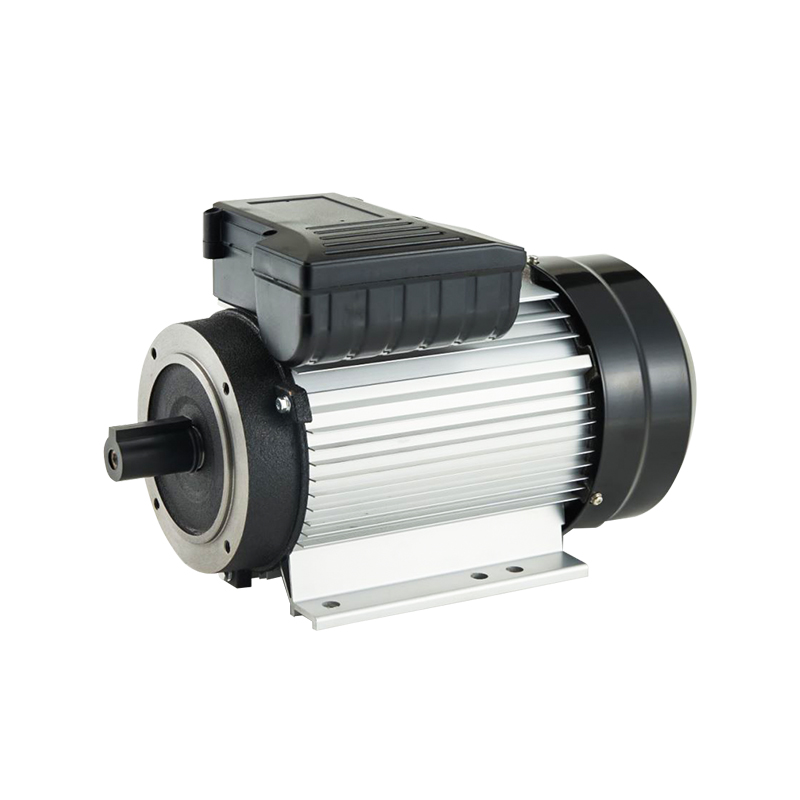
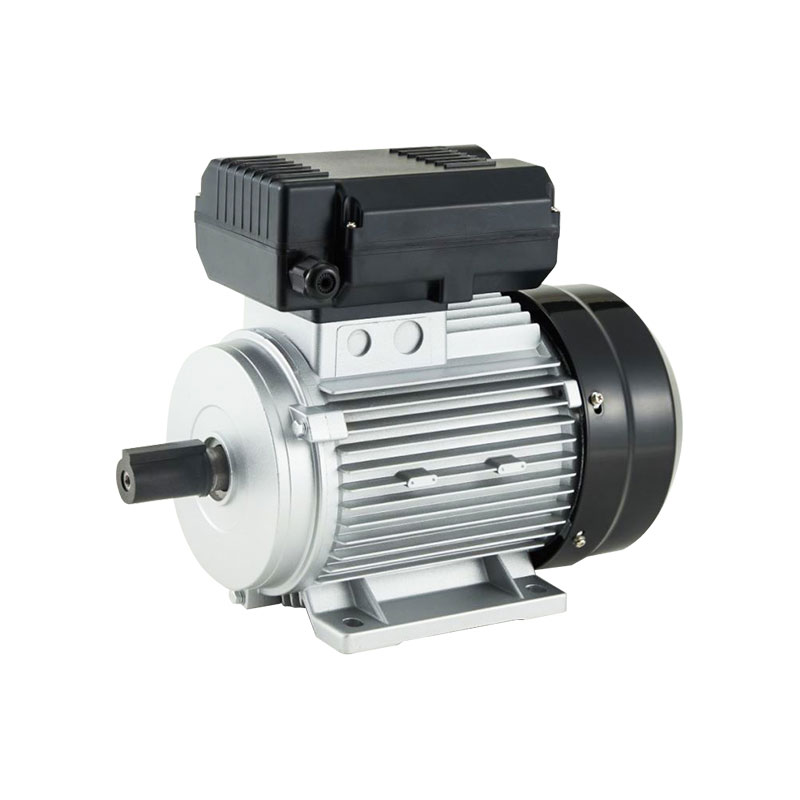
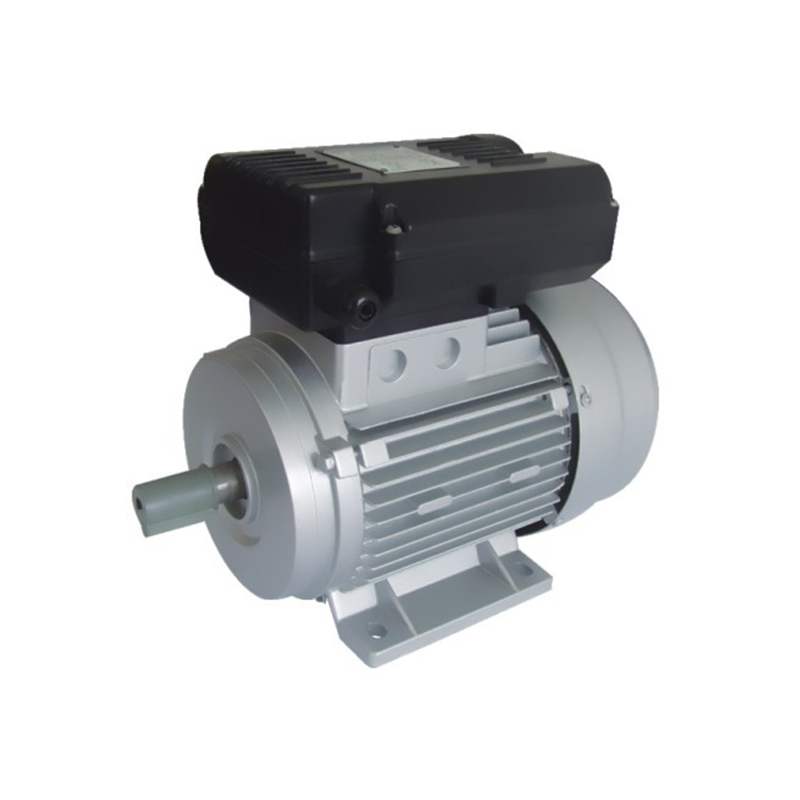
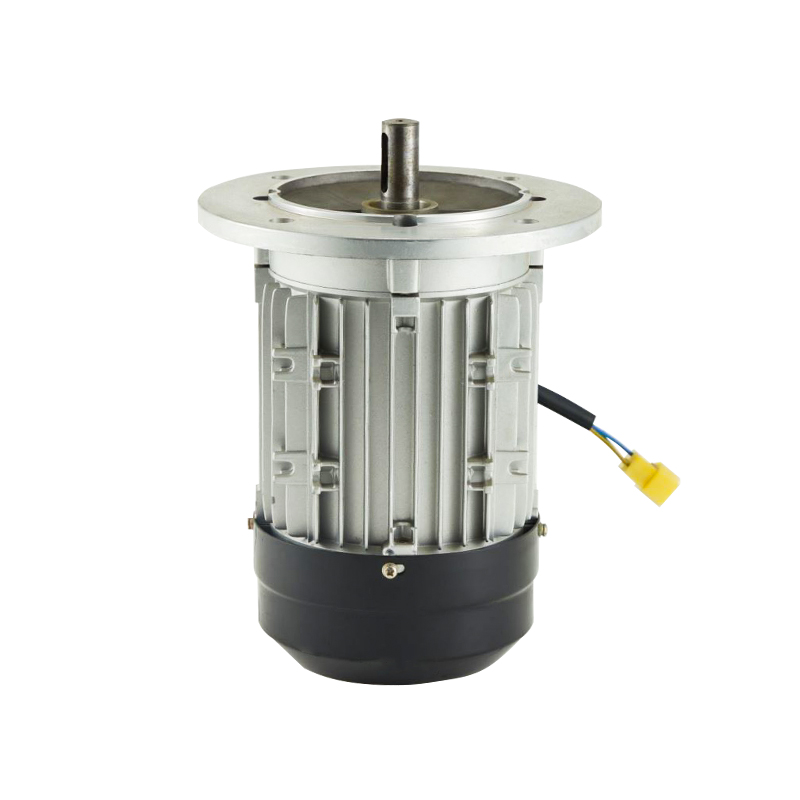
Selecting a permanent synchronous motor over an asynchronous three phase motor is particularly beneficial when precision, control, and consistent performance are essential. From CNC machines to conveyor systems, PMSMs offer stable torque, responsive control, and long-term energy efficiency. Industries seeking high accuracy and smooth operation can rely on solutions provided by Zhejiang Hechao Motor Co., Ltd., ensuring both performance and reliability.
1. Understanding the Difference
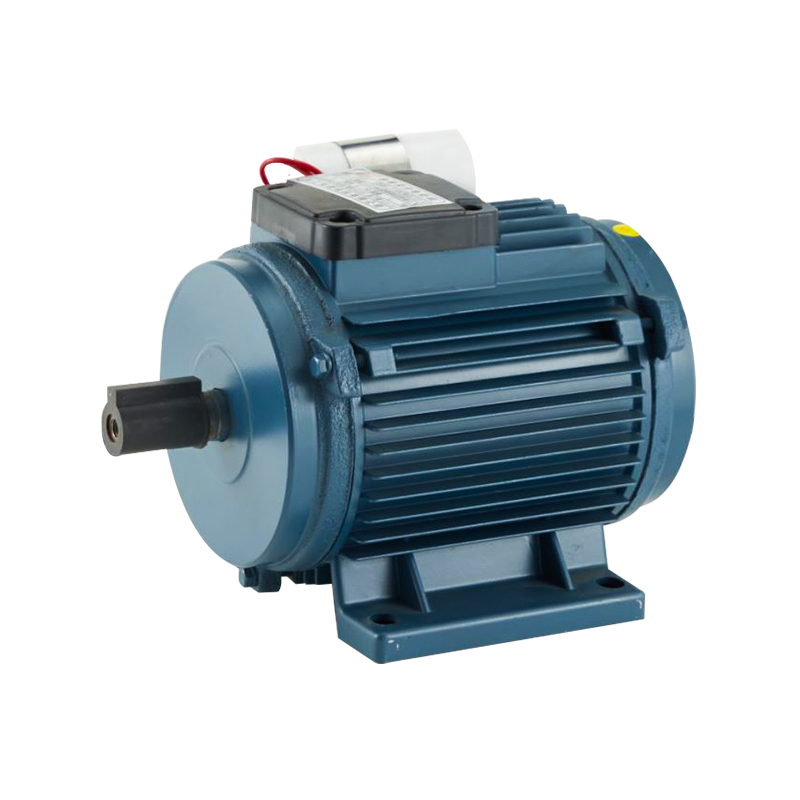
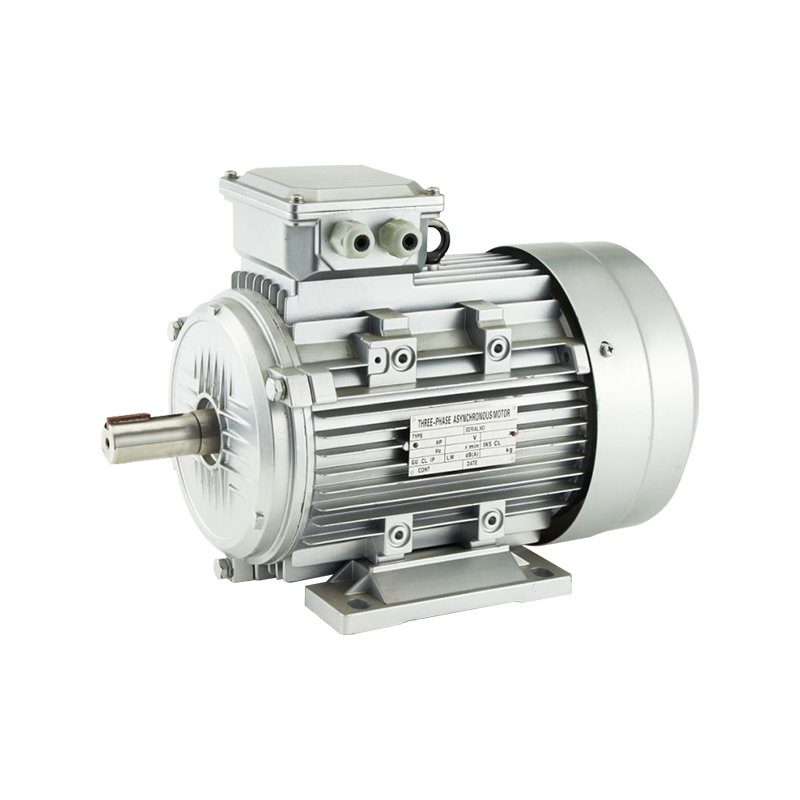
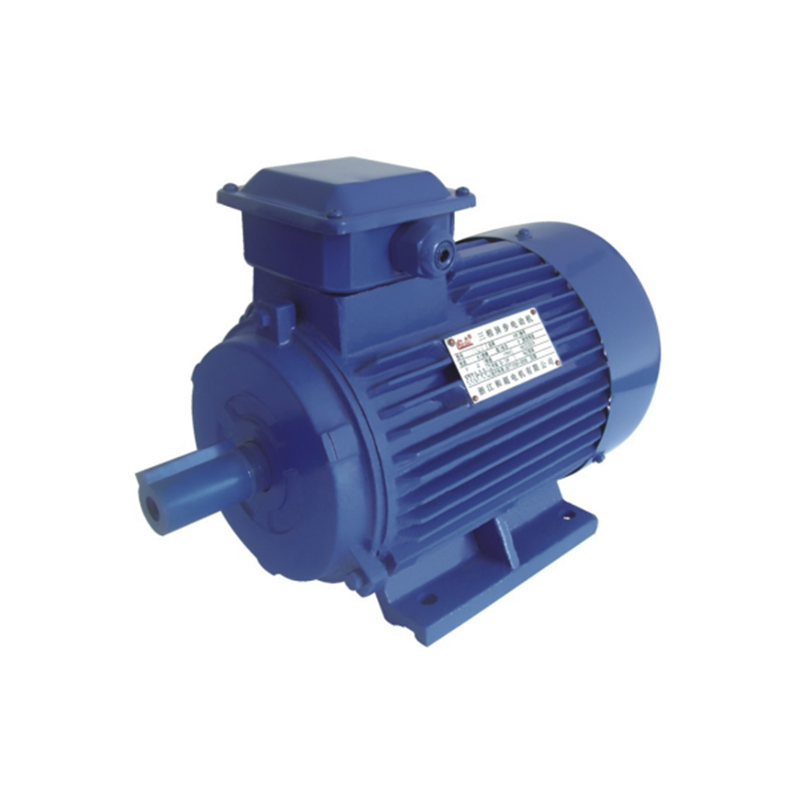
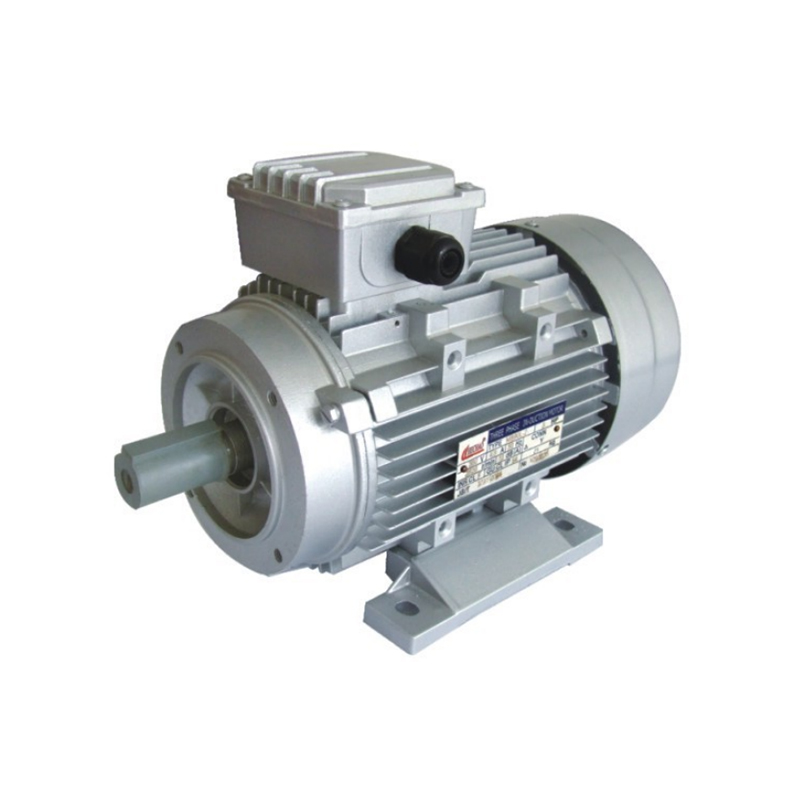
Asynchronous Three Phase Motor: Operates with the rotor slightly lagging the rotating magnetic field, causing minor slip. It is durable and cost-effective for constant-load applications but less suitable for processes requiring exact speed control or rapid changes in operation.
Permanent Synchronous Motor: The rotor is magnetically locked to the stator’s rotating field, maintaining a constant speed regardless of load variations. This characteristic ensures consistent performance in precision applications, making PMSMs ideal for automation, robotics, and servo systems.
2. Precision Applications
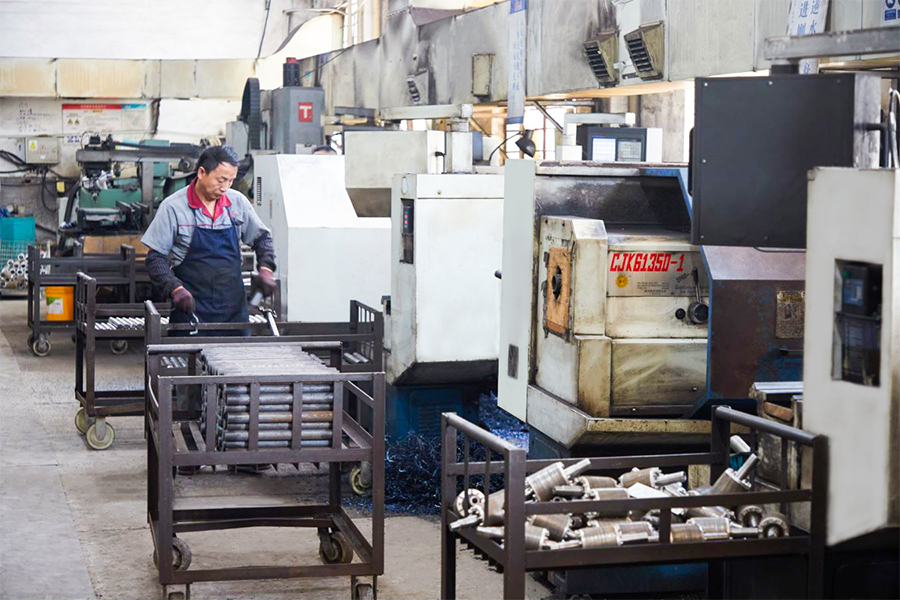
CNC Machines and Machining Centers: High-precision cutting, milling, and drilling machines require motors that maintain constant rotational speed. PMSMs provide smooth torque and minimal speed variation, which improves surface finish, tolerances, and overall product quality.
Conveyor Systems and Assembly Lines: Synchronizing multiple conveyors is critical to prevent jams and product misalignment. PMSMs allow accurate speed matching across multiple motors, enhancing operational efficiency.
Robotic Arms and Pick-and-Place Systems: Positioning accuracy and repeatability are vital in robotic automation. PMSMs provide consistent torque and precise movement, enabling reliable handling and assembly tasks.
Sprayers and Fluid Handling Equipment: Industrial sprayers require uniform flow rates to ensure coating consistency. PMSMs maintain constant motor speed even under varying loads, unlike asynchronous motors that may experience minor fluctuations.
Precision Fans and Ventilation Systems: PMSMs provide accurate airflow control, important in electronics assembly, clean rooms, or climate-sensitive manufacturing.
3. Advantages of PMSMs for Precision
Stable Torque Output: PMSMs produce constant torque without slip, ensuring smooth operation in sensitive machinery.
Responsive Control: PMSMs paired with modern drives or controllers can quickly respond to speed or position changes.
Reduced Mechanical Stress: Smooth acceleration and deceleration reduce wear on gearboxes, belts, and driven equipment.
Energy Efficiency in Variable Loads: PMSMs maintain high efficiency even under light or fluctuating loads, reducing energy costs over time.
4. Real-World Industrial Examples
Automated Packaging Lines: In facilities where multiple motors drive conveyors and robotic pickers, PMSMs ensure precise timing and synchronization, reducing product damage and waste.
Industrial Sprayers: By using PMSMs, manufacturers can achieve uniform coating or chemical application, improving product quality and reducing overuse of materials.
Laboratory Automation: Precision motors in laboratory robots require exact positioning and low vibration. PMSMs meet these demands better than standard asynchronous motors.
5. Integration Considerations
PMSMs require compatible controllers, such as variable frequency drives (VFDs), for smooth startup, acceleration, and speed regulation.
Although initial costs are higher than for asynchronous three phase motors, the benefits in precision, reduced mechanical wear, and energy savings often justify the investment.
Proper installation and maintenance, including monitoring rotor magnet health and alignment, ensure long-term reliability.
Zhejiang Hechao Motor Co., Ltd. designs PMSMs with high-quality materials and precise manufacturing, providing industrial clients with reliable and durable solutions for precision-critical applications.
6. Decision-Making Guidelines
Use PMSMs when: high precision, constant speed, smooth torque, and low vibration are required.
Use asynchronous motors when: cost efficiency, robustness, and simple installation are the priority, and exact speed control is less critical.
Hybrid Approach: Some production lines use a combination, applying PMSMs to precision tasks and asynchronous motors to general load handling, balancing cost and performance.